
In this article we will explore some of the most dangerous seas in the world. The ocean makes up over 70% of our planet, but not all parts are safe. Some areas are known for their dangers, where huge waves and sudden storms make even skilled sailors hesitate. These seas have a history of sinking ships and testing explorers, earning a reputation for being among the most perilous places on Earth. From icy southern waters to mysterious regions where ships have disappeared, each of these dangerous seas has its own unique story influenced by nature, history, and human experiences. So let’s begin.
5) Drake Passage
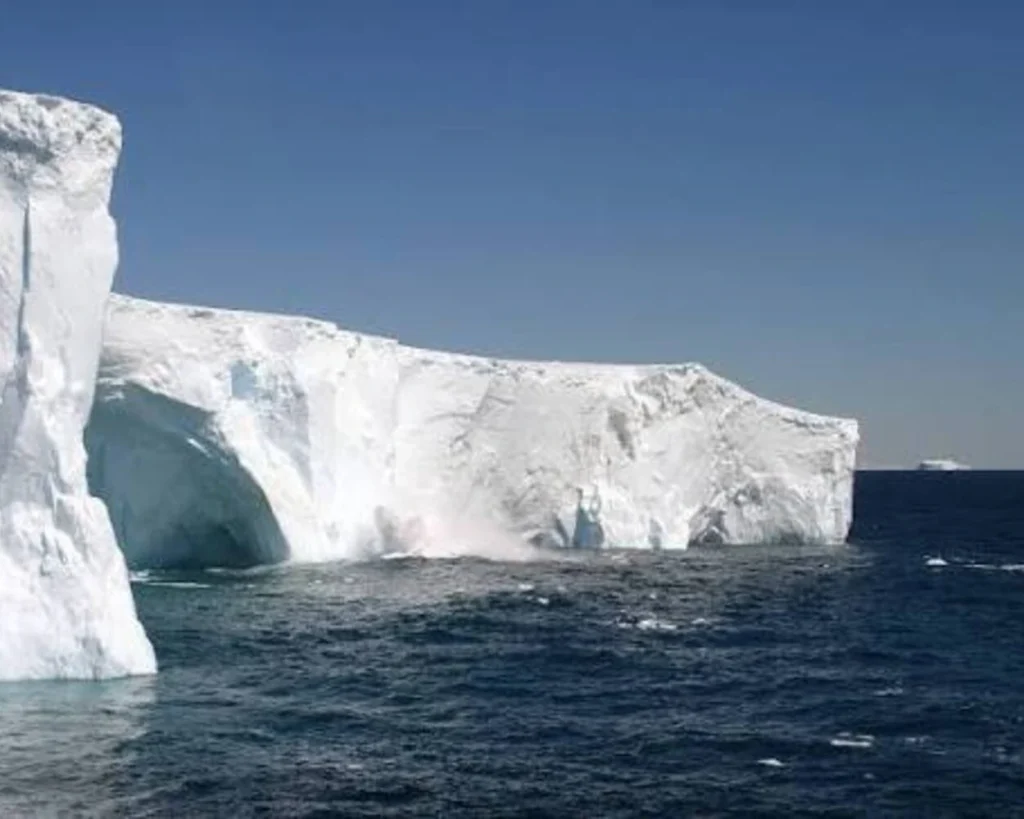
One of the most dangerous seas in the world is Drake Passage, is known as the most violent stretch of water on Earth. It lies between the southern tip of South America and Antarctica, connecting the Atlantic and Pacific Oceans. Instead of calming the water flow, it creates some of the roughest seas due to the collision of massive ocean currents from both sides. The area is especially dangerous because there is no land to slow down these currents. Winds can sweep around the globe, gaining speed before crashing into this region.
The result is waves that can rise over 10 to 15 meters, creating unpredictable and relentless conditions. Sailors describe the experience as constantly moving, with rolling decks and powerful winds that challenge ships and crews. Even modern expedition vessels heading to Antarctica need to prepare thoroughly for their journey through the Drake Passage. Despite its dangers, this passage remains a crucial route to Antarctica, where nature quickly asserts its dominance. Read More
4) North Atlantic Ocean
One of the most dangerous seas in the world is North Atlantic Ocean, is a vital and busy shipping route with a history of danger, exemplified by the Titanic’s sinking. This area is infamous for its unpredictable conditions, particularly powerful storms that form when cold Arctic air meets warmer air, especially in winter. These storms produce large waves, freezing temperatures, and strong winds, which can easily impact even large ships.
Another significant danger in the North Atlantic is ice. Icebergs from Greenland often drift into shipping lanes, making navigation very risky. In poor visibility, these large chunks of ice can appear without warning, allowing little time for ships to react. Despite these threats, the North Atlantic remains an active area for cargo ships, fishing vessels, and cruise liners.
While advancements in technology have improved safety for those traveling these waters, the ocean still poses serious risks due to its weather, ice, vast distances, and massive scale. Each day, mariners navigate with awareness and caution, respecting the dangers that the North Atlantic can present. Read More
3) Bermuda Triangle
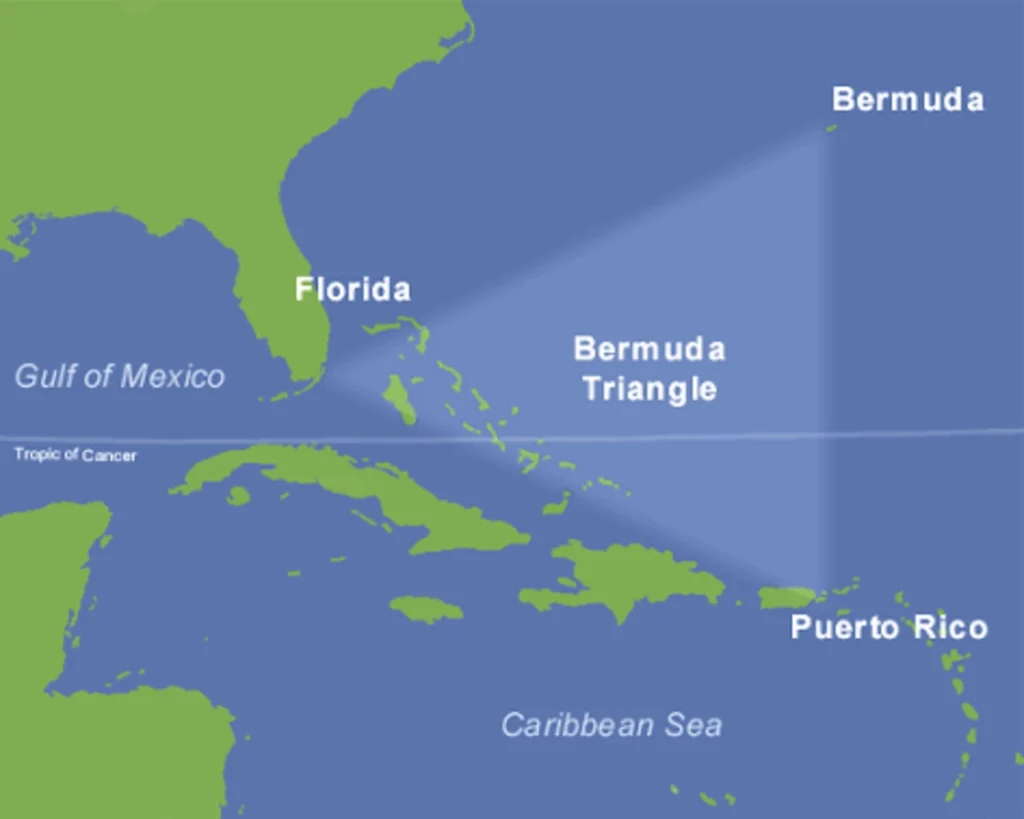
One of the most dangerous seas in the world is Bermuda Triangle, is located in the North Atlantic Ocean, between Florida, Bermuda, and Puerto Rico. Unlike other dangerous seas, it is not known for large waves or severe storms but for its mystery. Many ships and aircraft have disappeared in this area without clear explanations, leading to global fascination. Reports describe sudden equipment failures, erratic compass behavior, and pilots losing navigation even in good weather. Some incidents involve calm seas and clear skies followed by sudden disappearances with no distress signals or wreckage.
Scientists have suggested several possible explanations, such as underwater methane gas eruptions, unusual magnetic activity, and quickly forming storms. While some disappearances can be attributed to natural phenomena or human error, many cases remain unexplained. The Bermuda Triangle is unsettling not only because of its dangers but also because it challenges our understanding of the ocean’s behavior. The uncertainty surrounding it makes the area one of the most discussed and feared maritime regions in the world. Read More
2) Cape Of Good Hope
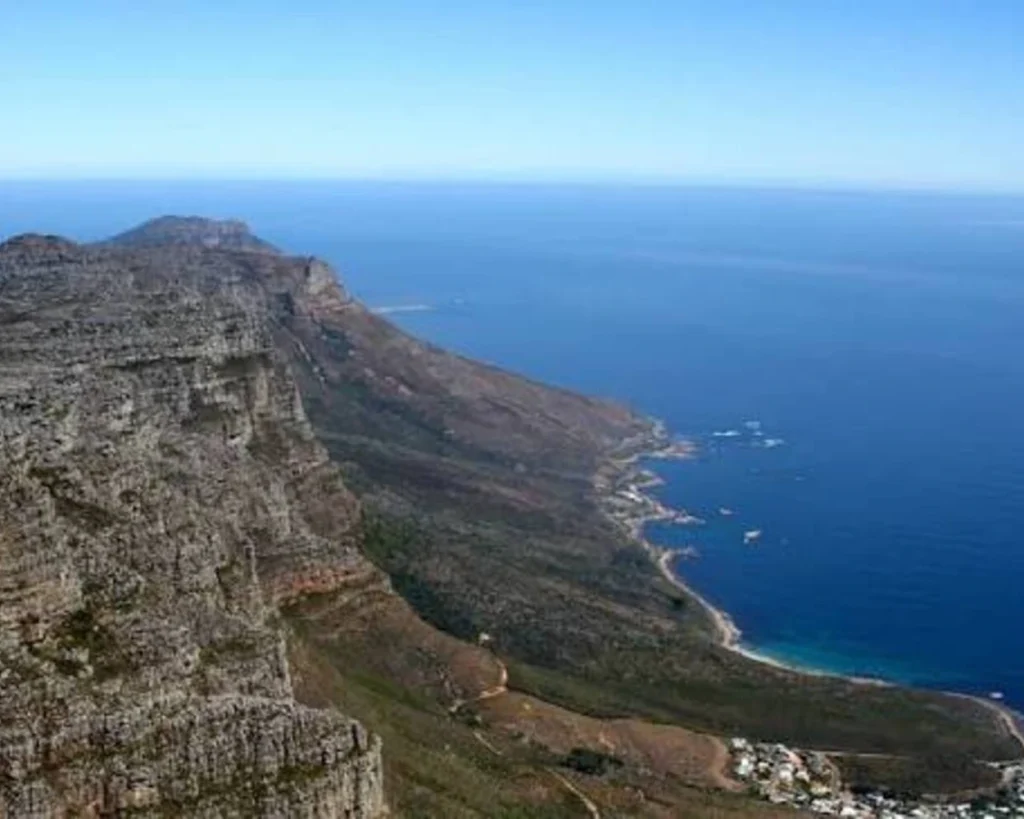
One of the most dangerous seas in the world is Cape of Good Hope, located at the southern tip of Africa, is a crucial meeting point for the cold Atlantic and warm Indian Ocean currents. This region is known for its unstable and chaotic conditions that can change quickly. One major danger is the rogue waves, which can rise unexpectedly and reach heights over 20 meters, posing a serious threat to ships by potentially causing damage or capsizing.
Strong winds also contribute to dangerous conditions by pushing waves into steep, crashing walls, while underwater rock formations and shallow seabeds increase turbulence and the risk of shipwrecks. Historically, this route was feared by sailors traveling between Europe and Asia, as many ships did not survive the perilous waters before the Suez Canal was built. Even today, modern vessels approach the Cape with caution, as the ocean remains unpredictable and can become deadly at any moment. Read More
1) Southern Ocean
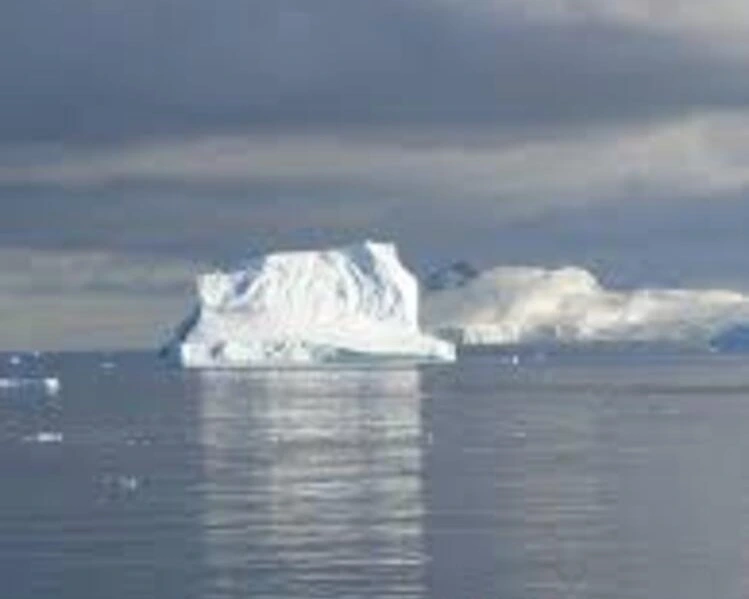
One of the most dangerous seas in the world is Southern Ocean. The Southern Ocean surrounds Antarctica and is one of the most extreme and isolated bodies of water on Earth. It experiences some of the strongest winds, known as the roaring 40s and furious 50s, which circulate the globe without interruption. These winds, with no land masses to hinder them, create massive waves that continuously move around the planet, resulting in powerful swells and icy conditions that make survival difficult.
The water temperatures are extremely cold, and even short exposure can be dangerous. Icebergs are common in these waters, posing threats to ships. The isolation of the Southern Ocean adds to its danger; if something goes wrong, help may be far away, and rescue operations are complicated due to the distance and harsh weather. Few places on Earth are as remote and unforgiving, where nature prevails, and humans are merely passing through. Read More