
In this article we will explore some of the amazing facts about Bears. Bears are strong and well-known animals found in North America, Europe, Asia, and parts of South America. They have adapted to many environments, from cold Arctic areas to tropical forests. There are eight bear species, each with distinct traits and behaviors. Despite their size and fearsome looks, bears are smart and resourceful, playing key roles in their ecosystems. So let’s know about bears.
5) Sense Of Smell
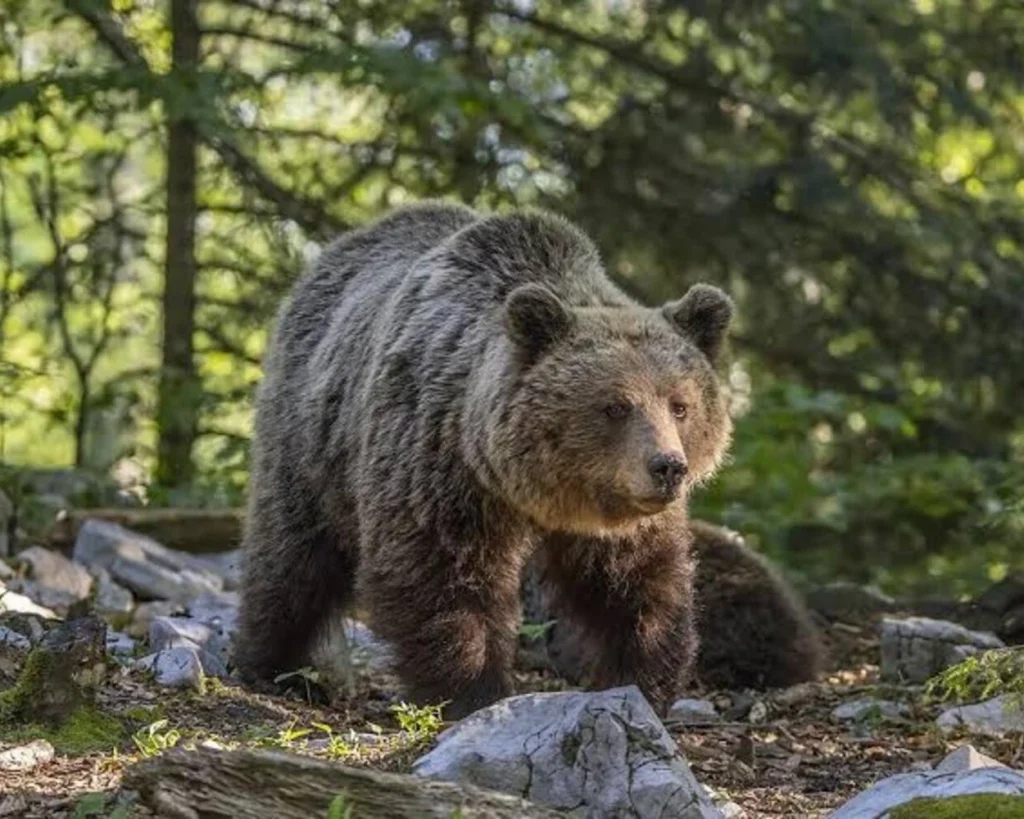
One of the amazing facts about Bears is that Bears have an incredible sense of smell that is much stronger than humans, estimated to be hundreds of times more powerful. This ability helps bears find food, detect danger, and communicate with one another. They can sense scents from miles away and often locate animal carcasses, berries, or spawning fish before they see them. This skill is especially vital in large wilderness areas where food can be far apart.
Bears have large nasal cavities filled with millions of scent receptors that help them gather environmental information. Additionally, the part of a bear’s brain that processes smells is relative to its size much larger than that of humans. Because of their exceptional sense of smell, bears primarily rely on it more than sight or hearing when exploring their environment, contributing to their success as survivors.
4) Agility
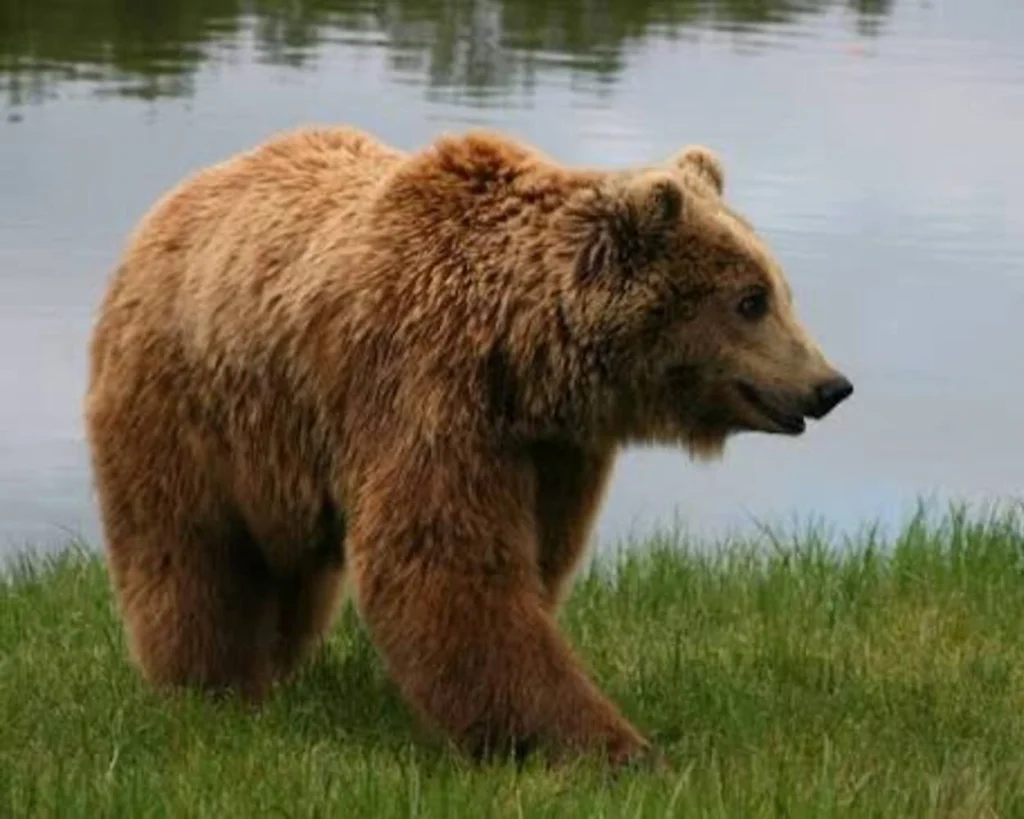
One of the amazing facts about Bears is that Bears are surprisingly fast and athletic despite their large size. Many species can run faster than 30 mph (about 50 km/h), making them quicker than most humans. Their strong muscles and limbs help them move quickly when chasing prey or fleeing danger. Bears are also skilled climbers; young bears often climb trees to avoid predators and rest safely. Black bears are particularly agile in trees.
Additionally, bears are strong swimmers, with polar bears swimming long distances between ice flows and other species easily crossing rivers and lakes. Their mix of strength, speed, and versatility allows them to adapt well in various environments.
3) Intelligence
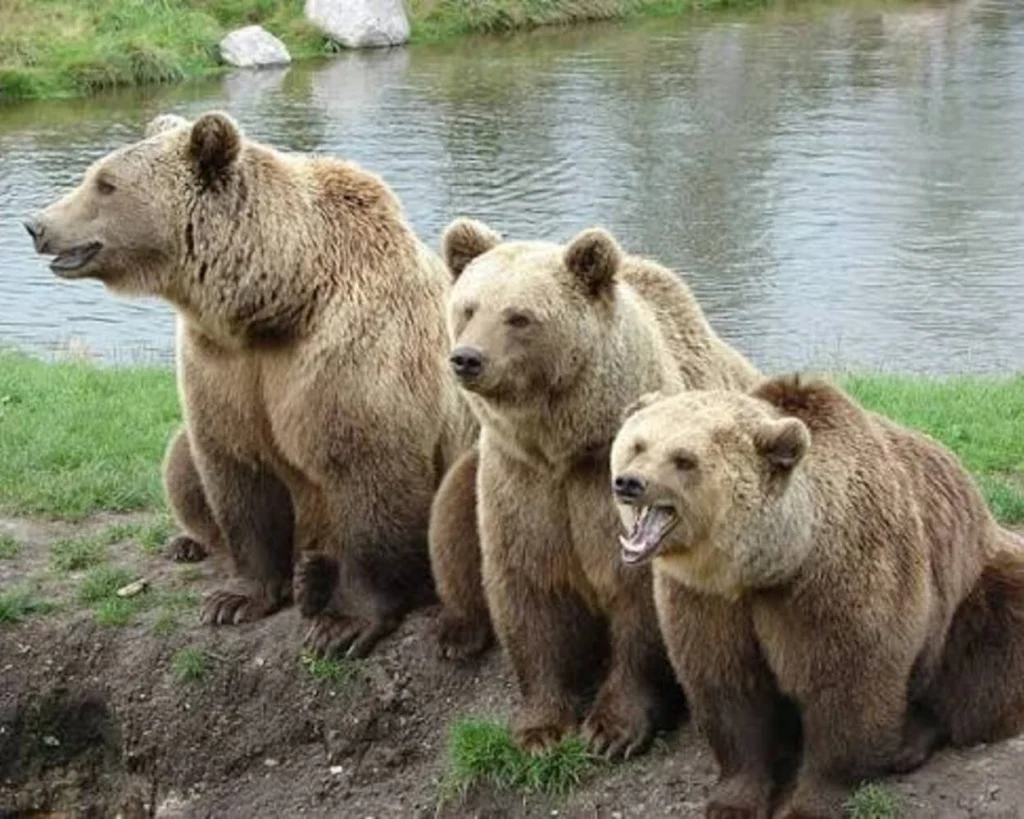
One of the amazing facts about Bears is that Bears are surprisingly intelligent problem solvers. They can learn quickly, remember solutions, and adapt their behavior based on their experiences. In the wild, they find food by remembering where seasonal sources are and can travel far to reach them. Researchers have seen bears open containers, manipulate objects, and solve puzzles that test their smarts. Their understanding of cause and effect helps them thrive in different environments.
Cubs learn essential survival skills by watching their mothers over the years, allowing them to inherit important knowledge from one generation to the next. This ability to learn from observation is crucial for their development and survival.
2) Flexible Diet
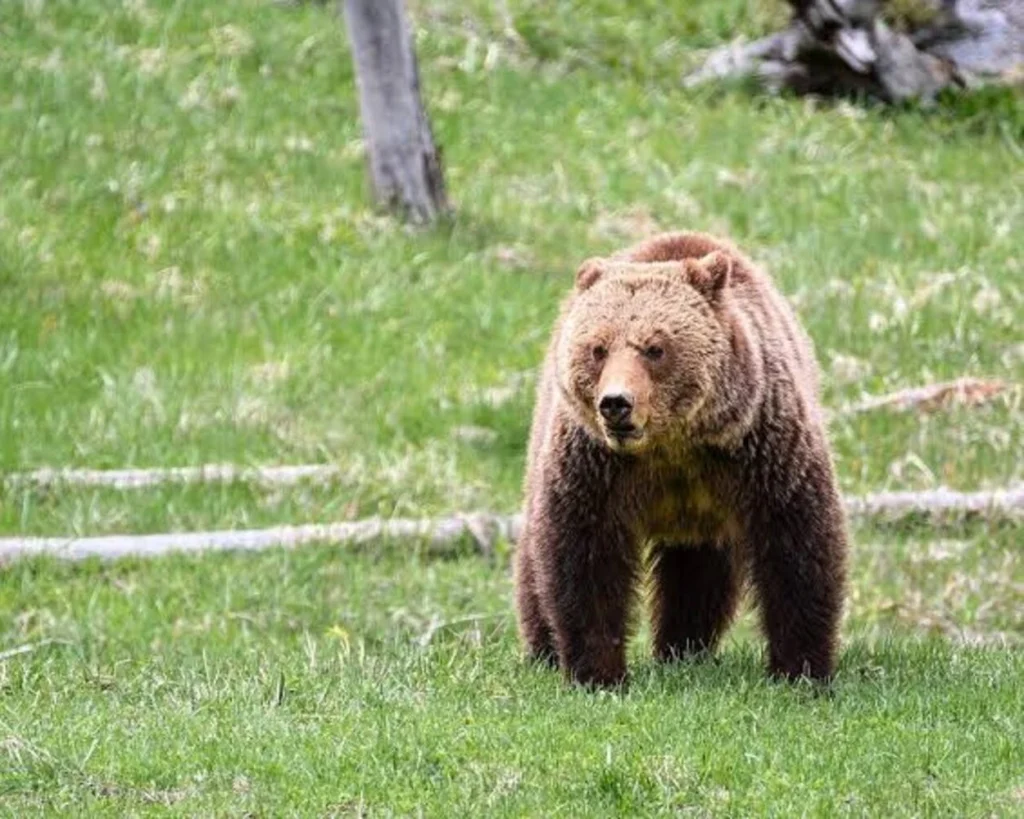
One of the amazing facts about Bears is that Bears can eat almost anything due to their flexible diet. Most bear species are omnivores, eating both plants and animals. This adaptability allows them to take advantage of available food sources throughout the year. A bear’s diet varies by season and may include berries, nuts, roots, insects, fish, and small mammals. Some bears search for nutritious plants, while others wait near rivers for fish.
Different bear species also have specialized diets; for example, polar bears mainly eat seals, and giant pandas mostly consume bamboo. All bears can adapt their feeding habits to survive changes in food availability, which is crucial in shifting environments. Their ability to switch food sources helps them thrive in a variety of ecosystems.
1) Natural Gardeners
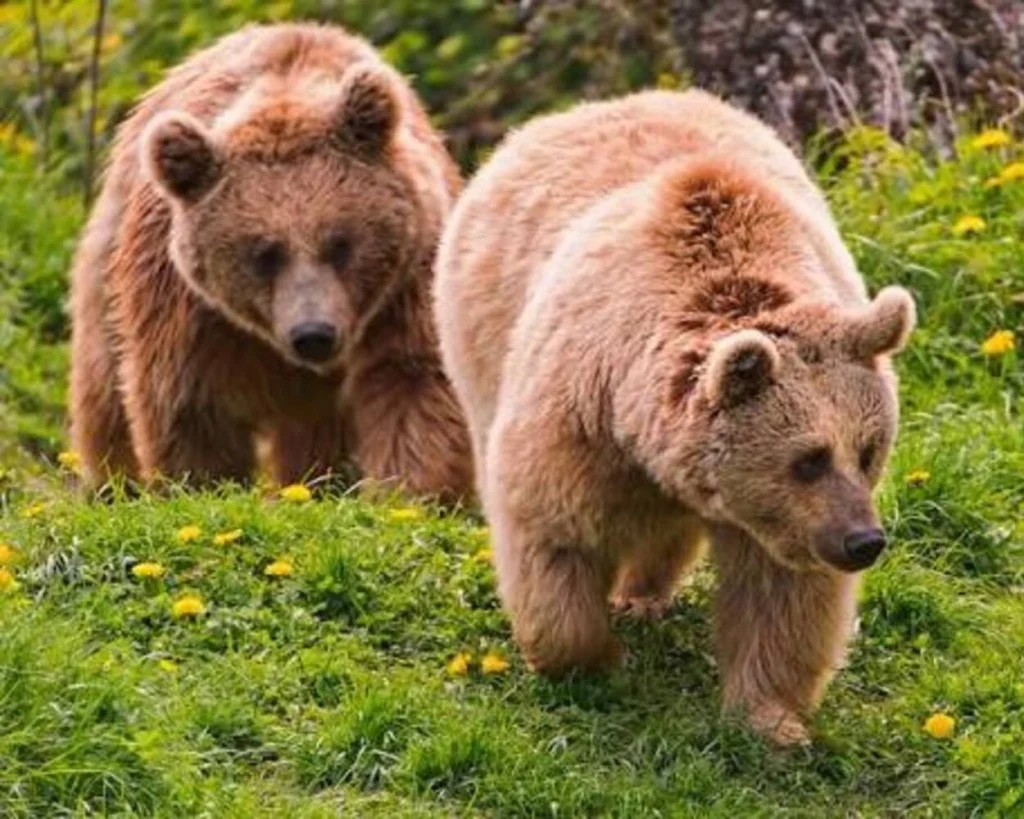
One of the amazing facts about Bears is that Bears are important for keeping forests healthy. As they search for food, they help spread seeds and nutrients across different habitats. When bears eat fruits and berries, the seeds often pass through them unharmed and are deposited in new places, helping plants grow away from their original locations. This makes bears like natural gardeners in the wild.
Bears also add nutrients to the environment. For example, when they catch fish, they may carry some away from rivers to eat. The leftover remains break down and enrich the soil, which helps plants and other living things. Through these actions, bears have a significant impact on entire ecosystems, supporting plant growth and improving soil health, which benefits many other species.