
In this article we will explore some of the amazing facts about stars that seem unbelievable. These facts highlight how incredible the universe is. When you look at the night sky, it appears calm and peaceful with sparkling stars. However, stars are actually violent and powerful objects in the universe. They can explode, collide, grow very large, and create the elements of everything around us, including ourselves. So let’s explore.
5) Size
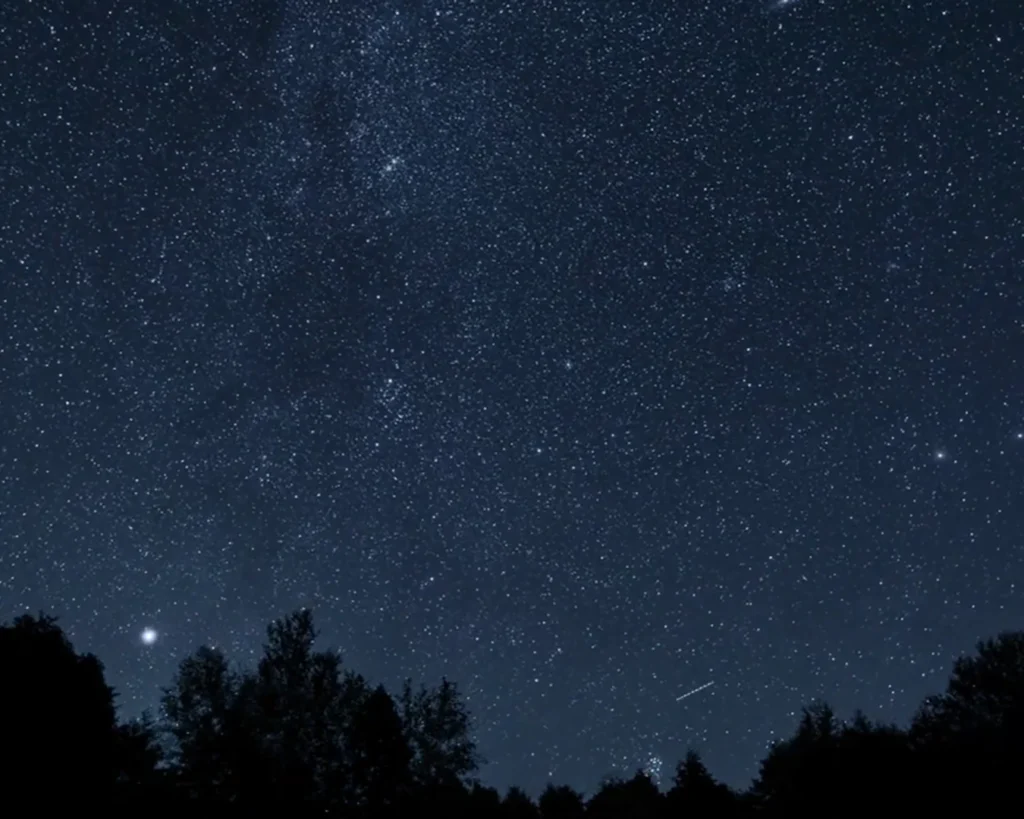
One of the amazing facts about stars is Stars vary greatly in size, with some being smaller than planets and others so massive that they could encompass our entire solar system. The sun, which is well-known, is considered average in size compared to many stars in the universe. One of the largest stars discovered is UY Scuddy, so large that if it took the sun’s place, its surface would reach beyond Jupiter’s orbit, able to fit millions of Earths inside it.
Neutron stars are on the opposite end, being very small, sometimes only about 20 kilometers wide. However, they are incredibly dense, containing more mass than the sun. This means that just a teaspoon of neutron star material would weigh billions of tons on Earth.
4) Nuclear Explosions
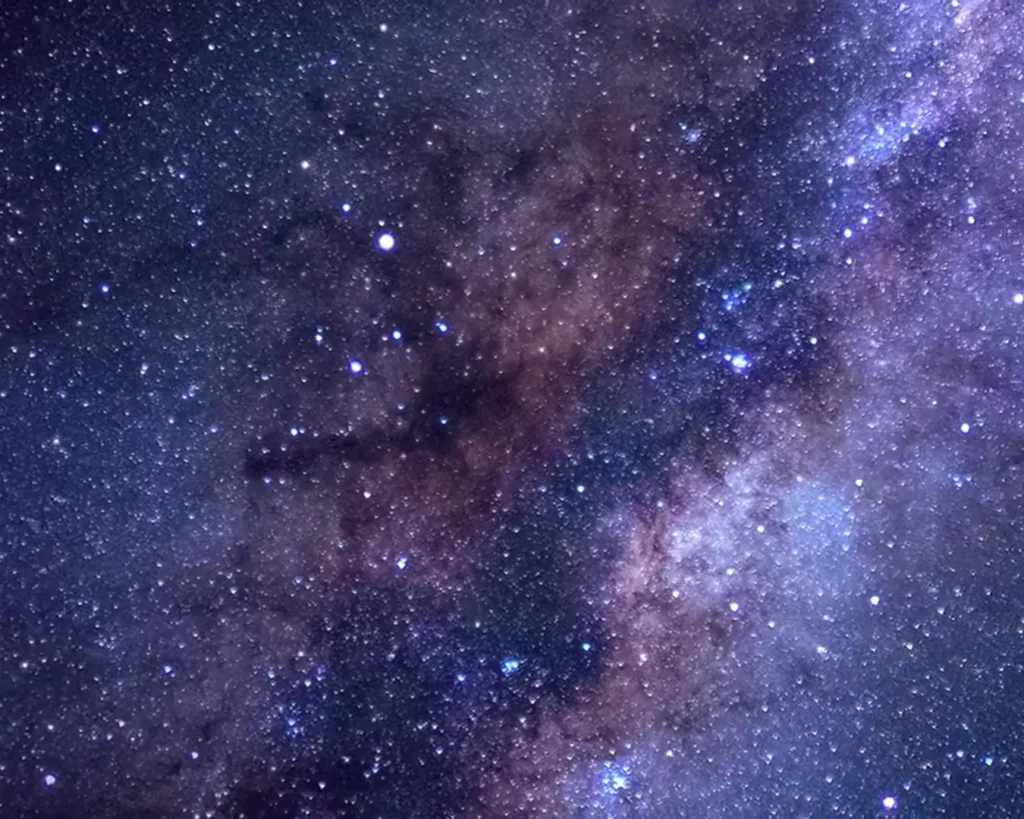
One of the amazing facts about stars is Stars are enormous nuclear explosions that, while appearing calm from Earth, are extremely violent inside. They continuously produce massive energy through nuclear fusion, where hydrogen atoms collide under intense pressure to form helium. This process releases significant heat and light, with our sun converting around 600 million tons of hydrogen every second.
This fusion process is essential, as it prevents stars from collapsing under their own gravity by balancing the inward pull of gravity with the outward pressure resulting from fusion. This balance allows stars to remain stable for millions or even billions of years. However, as stars eventually run out of fuel, this balance is disrupted, leading to potential collapse or dramatic explosions. Some stars end their lifespans in supernova explosions, which are incredibly bright and can temporarily outshine entire galaxies. These explosions are among the most powerful events we see in the universe.
Some stars do not die quietly. When they reach the end of their lives, smaller stars, like the sun, become red giants and gradually fade into white dwarfs. In contrast, massive stars have much more dramatic endings. They can collapse under their own gravity and explode in a supernova, creating extremely high temperatures that produce new elements instantly. The explosion’s blast wave can travel light years through space, affecting nearby star systems.
After a supernova, the remaining core can become a black hole, which has gravity so strong that light cannot escape it. Alternatively, the core may transform into a neutron star, spinning rapidly and emitting beams of radiation. Although these deaths seem destructive, they are vital for the universe, as supernovas spread materials necessary for forming new stars and planets. In essence, when one star dies, it often leads to the birth of something new in the cosmos.
3) Age
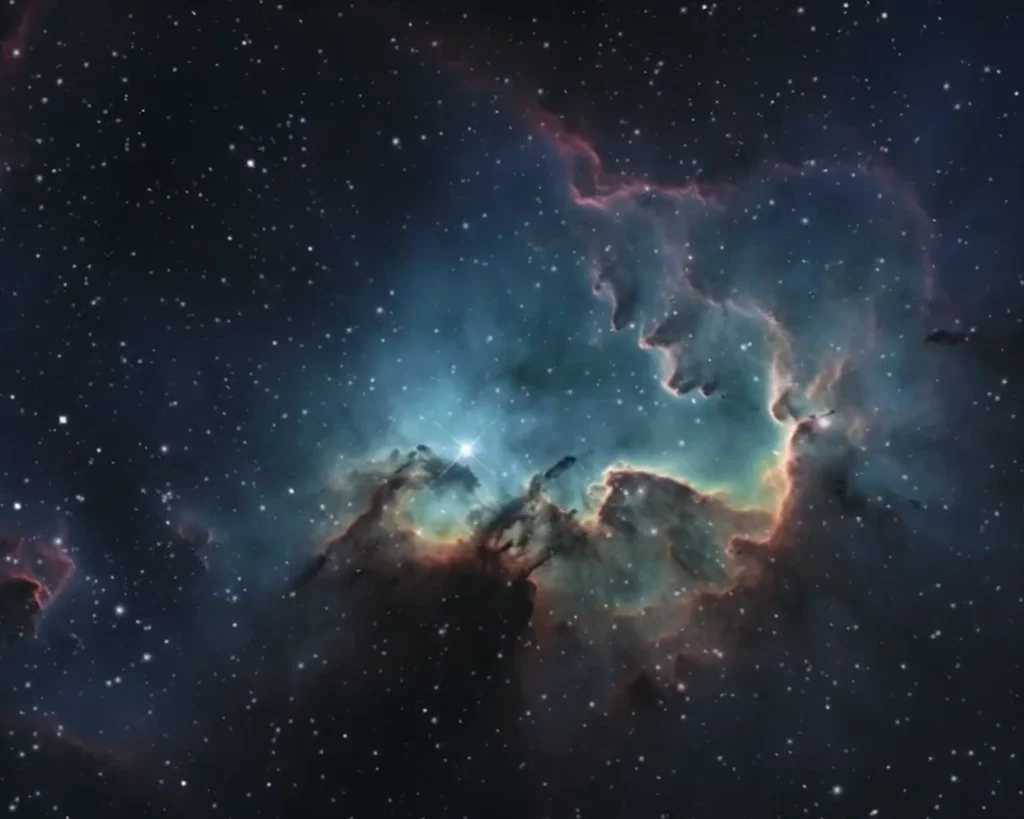
One of the amazing facts about stars is some stars are older than the sun, which is about 4.6 billion years old. In fact, there are stars that formed shortly after the universe began. A well-known example is a star called Methusela, which could be over 12 billion years old. Since the universe is around 13.8 billion years old, Methusela has existed for almost the entire history of the cosmos. These ancient stars are like time capsules, allowing astronomers to learn about the early universe. By studying them, scientists can uncover clues about how galaxies and planets developed as the universe aged.
2) Travel
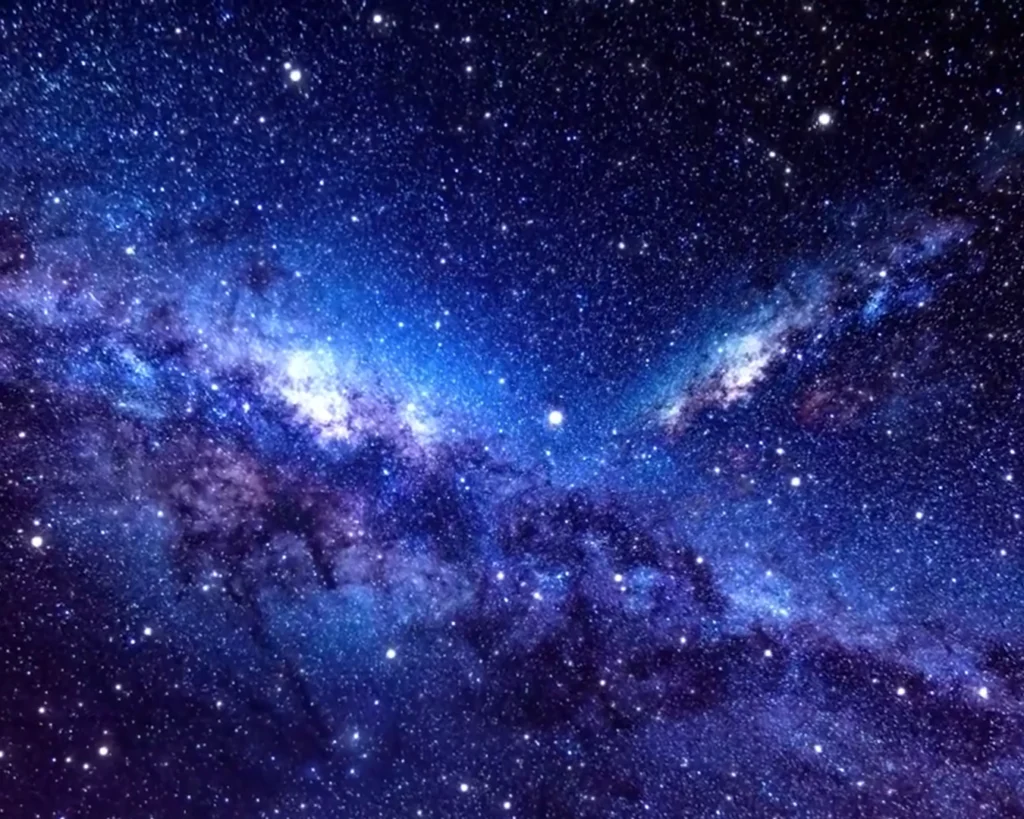
One of the amazing facts about stars is Stars may seem fixed in the sky, but they are constantly moving through space. Most stars drift slowly over millions of years, while some, known as hypervelocity stars, travel at incredible speeds. Scientists believe many hypervelocity stars are created by powerful gravitational interactions, such as close encounters with supermassive black holes in the center of galaxies. In these encounters, one star can be captured, while the other is flung away, similar to a cosmic slingshot.
Some of these stars can travel millions of kilometers per hour, enough to escape the Milky Way and drift alone in intergalactic space for billions of years. Even our sun is in motion, traveling around the Milky Way at about 828,000 kilometers per hour. However, due to the vastness of space, it takes the sun approximately 230 million years to complete one orbit around the galaxy.
1) Brightness
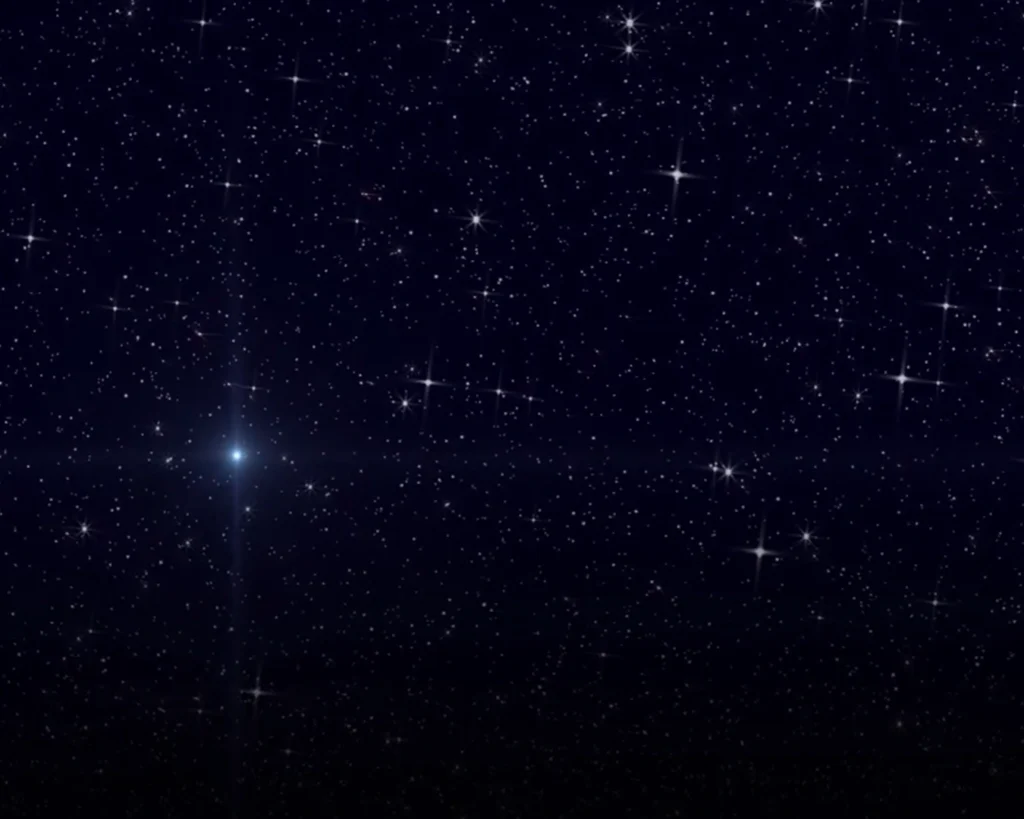
One of the amazing facts about stars is Some stars, known as variable stars, can pulse and change their brightness over time, much like a heartbeat. A notable type of variable star is the Cepheid variable star, which expands and contracts, causing its brightness to rise and fall in a regular pattern. This cycle can last from days to months.
Scientists find Cepheid stars important because their brightness changes help measure distances in space. By comparing how bright the stars look from Earth with their actual brightness, astronomers can determine how far away they are. This method is crucial for discovering the true size of the universe.