
When people think of toads, they often imagine bumpy skin and croaking sounds, along with old Toad myths. Toads have been part of human stories, folklore, and superstitions for thousands of years. Sadly, many of these tales have harmed their image. This discussion will clarify truths by exploring five common myths about toads, showing how reality differs from what many believe. You might be surprised by the actual facts behind the stories we grew up hearing. So let’s know.
5) Touching Gives Warts
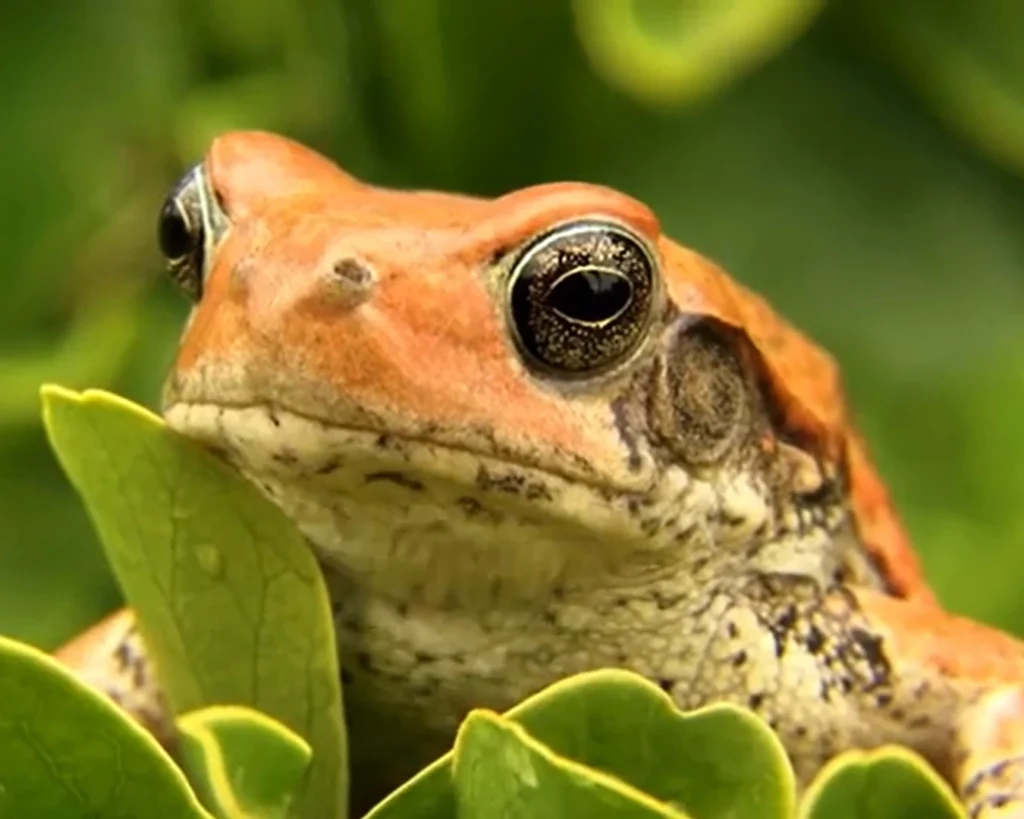
One of the common Toad myths is that touching a toad gives you warts. Many children are warned not to pick up toads because of this belief. However, warts are actually caused by the human papilloma virus (HPV), which spreads among humans and is unrelated to toads. Therefore, you cannot get warts from touching a toad, no matter how bumpy its skin looks.
The confusion likely arises from the raised bumps on a toad’s skin, which may remind people of human warts. Early observers may have thought that handling a toad could transfer these bumps to humans. While touching a toad won’t give you warts, it’s still wise to wash your hands afterward. Toads can carry bacteria or release substances that might irritate sensitive skin. Practicing good hygiene is important when handling any wildlife, but you do not need to worry about warts.
4) Poisonous To Humans
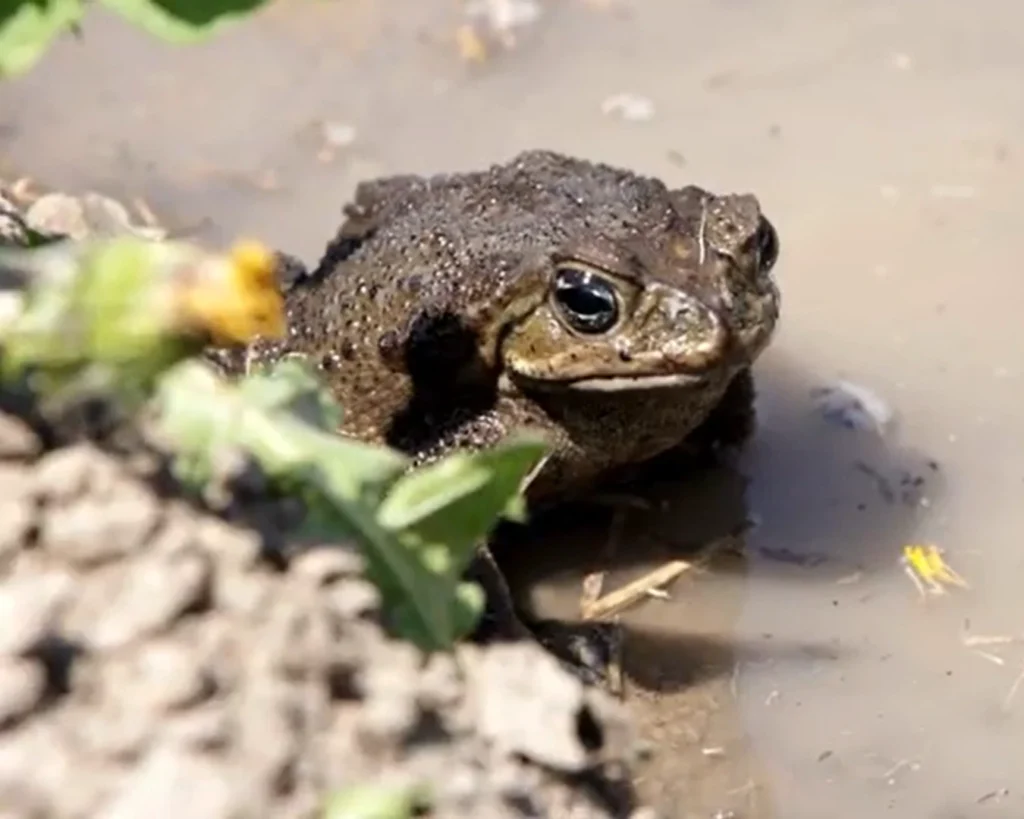
One of the common Toad myths is that Toad is often thought to be dangerous and poisonous to humans. Many believe that their defensive glands and unusual looks support this idea. However, most toads are not harmful to humans. Many produce chemicals from glands behind their eyes to protect themselves from predators. These chemicals are usually harmless unless they come into contact with eyes, mouths, or open wounds. Touching a toad typically causes only mild skin irritation, and washing hands afterward is usually enough to prevent any issues.
Pets, especially dogs, face more risk as they may bite or lick toads and come into contact with these chemicals. This can lead to drooling, discomfort, or even serious health problems. Therefore, while toads are generally safe for people, it’s best to keep pets from playing with them.
3) Toad Could Bring Rain
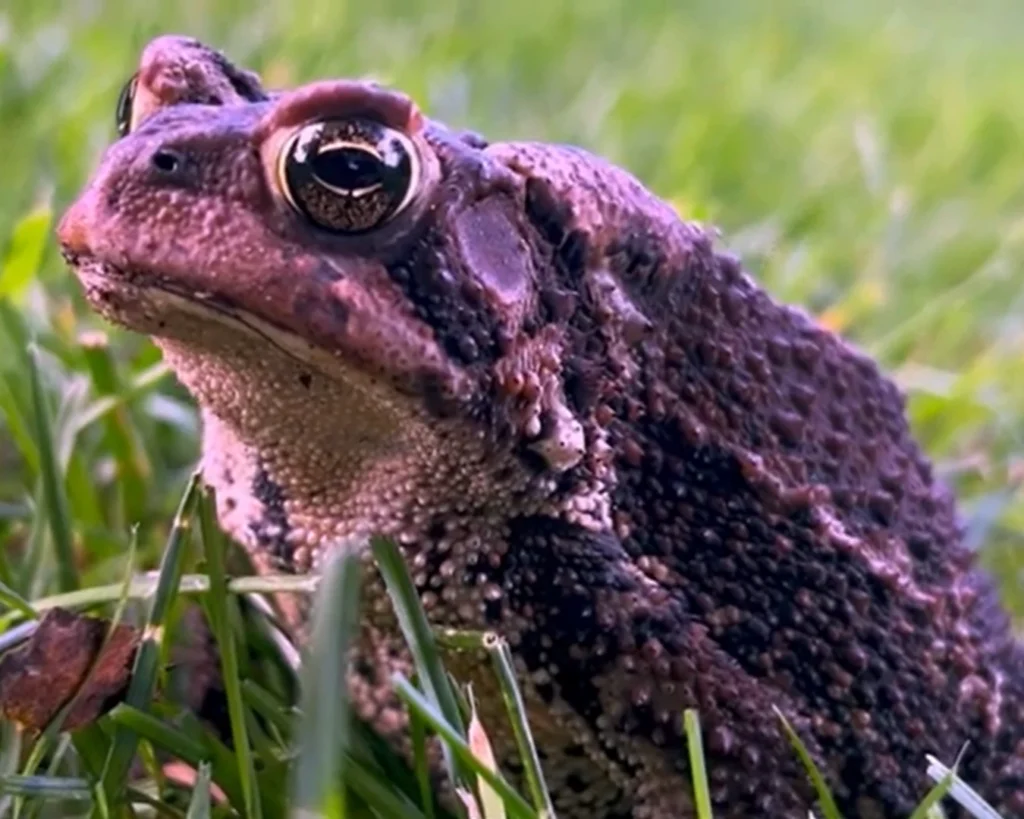
One of the common Toad myths is that Many cultures believed that toads could bring rain, as they often appeared after storms, leading villagers to think they caused the weather. In fact, rain does not arrive because of toads; toads come out because of rain. Toads need moisture to keep their skin healthy and avoid drying out. During dry weather, they hide underground or in sheltered spots. When it rains, the environment becomes safer for them, allowing them to move without losing water.
Additionally, rainy conditions are perfect for breeding, leading many toads to travel to ponds and wetlands to lay eggs. This link between the appearance of toads and rainy weather created the false belief that toads have control over the rain.
2) Toads Live In Water
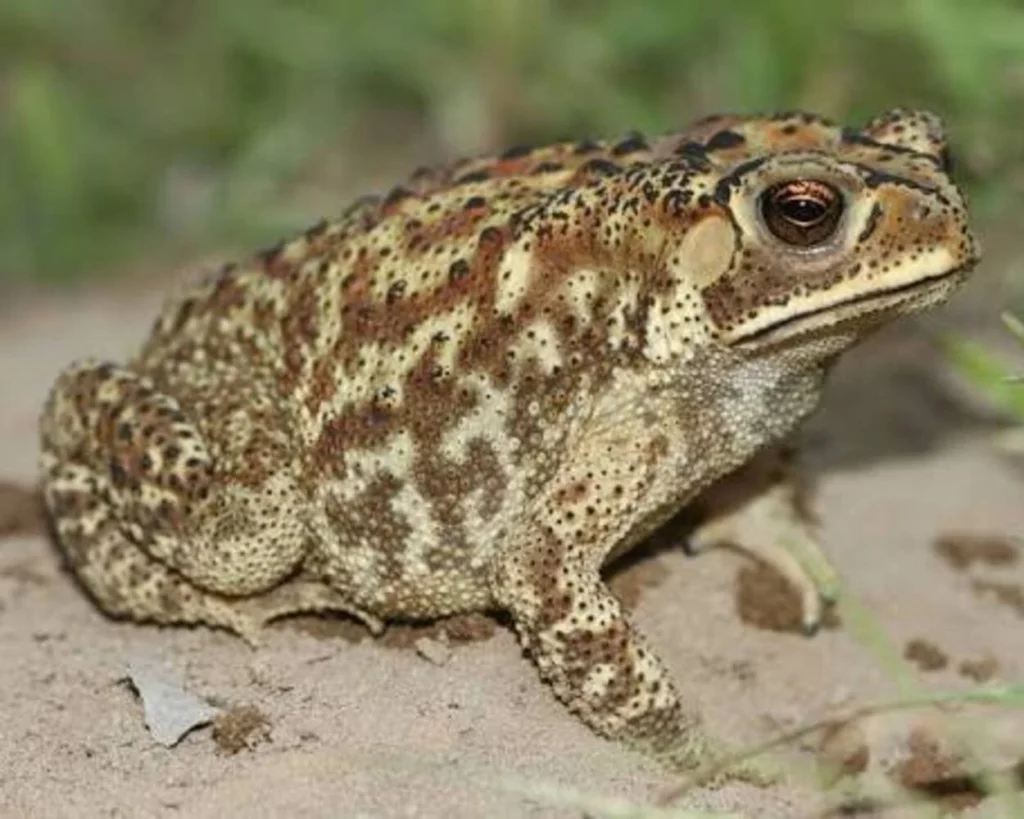
One of the common Toad myths is that all toads live in water. While toads are amphibians and need water at certain times, most adult toads actually live on land. They have thicker, drier skin that allows them to thrive in dry places unlike many frogs. Adult toads can be found in various environments such as forests, grasslands, gardens, deserts, and cities. They usually hide during the day and come out at night to hunt for insects and worms.
Water is particularly crucial during their breeding season when female toads lay eggs in water. These eggs hatch into tadpoles that live in water until they grow legs and lungs, after which many species lead a mainly land-based life.
1) Toad Is Ugly And Useless
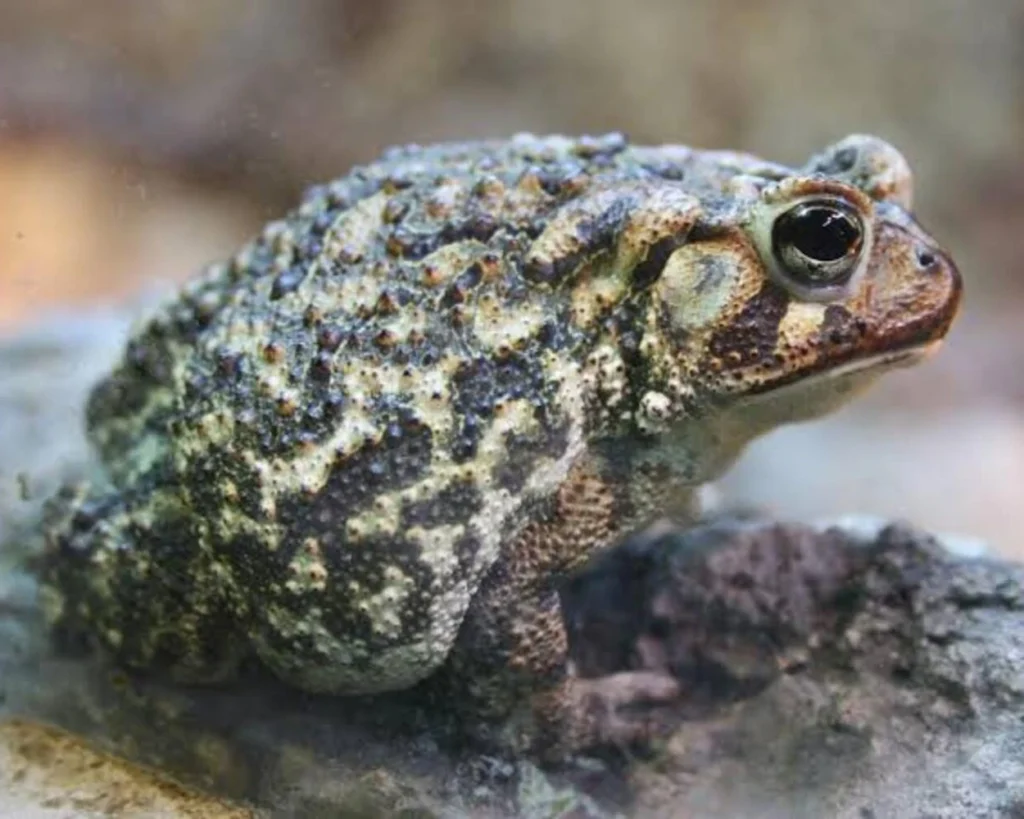
One of the common Toad myths is that toad is ugly and useless. This idea is unfair, as popular culture often shows toads as unpleasant creatures linked to witches and bad luck. While beauty is subjective, toads have unique adaptations that help them survive. Their bumpy skin allows them to blend into their surroundings, which is an effective survival strategy.
Toads are also very beneficial to the environment. A single toad can eat thousands of insects each year, including harmful pests like mosquitoes and beetles. This helps farmers and gardeners by controlling insect populations. Additionally, toad can indicate environmental health because their sensitive skin reacts to pollution and habitat changes, making them useful for scientists studying ecosystems.