
In this article we will explore some of the amazing facts about Clownfish. When people think of clown fish, they often picture a small orange fish in coral reefs. These fish gained fame from animated movies, but they have much more to offer than just their bright colors. Some of these facts may seem unbelievable, but they are all true. So let’s discover the amazing world of clown fish.
5) Relation With Sea Anemone
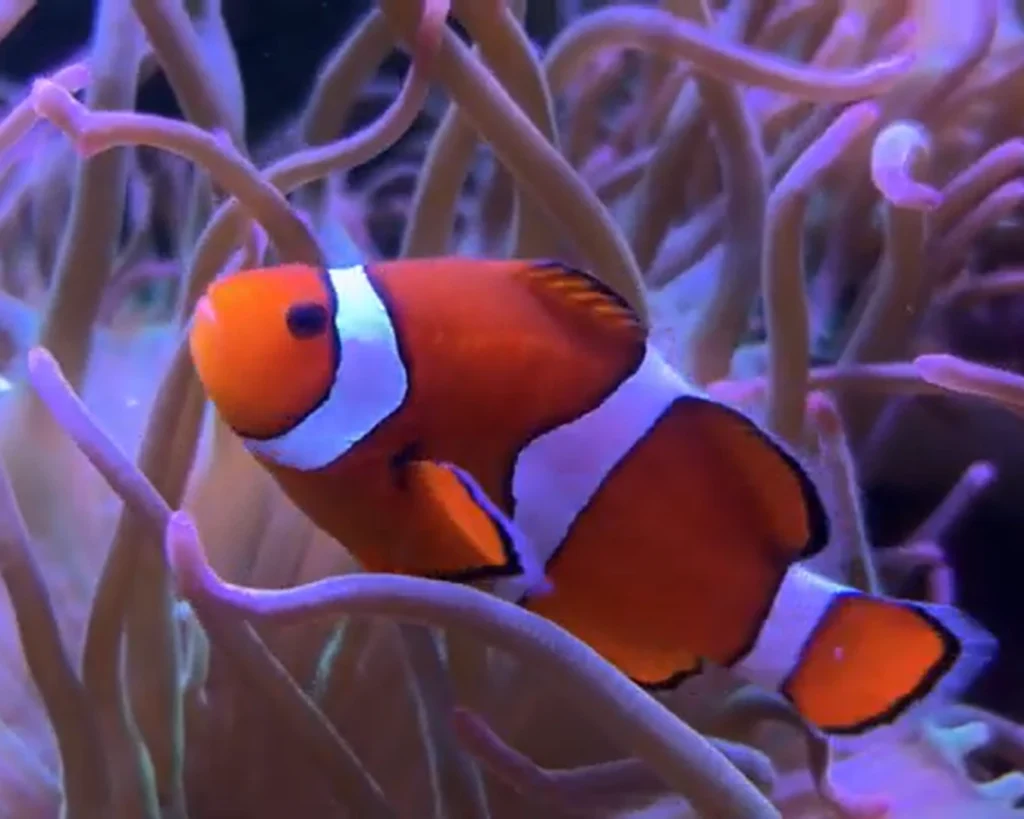
One of the amazing facts about Clownfish is that Clownfish, is unique because they are immune to the stings of sea anemones, which are animals that look like flowers and have powerful stinging cells. Most marine animals stay away from sea anemones due to the danger of their stings, but clownfish can swim among their tentacles safely.
This ability provides clownfish with protection from predators. In return, clownfish help sea anemones by providing food scraps and cleaning them, while also protecting them from certain damaging fish. This interaction between clownfish and sea anemones is a well-known example of mutualism, where both species benefit from their relationship.
4) Excellent Parents
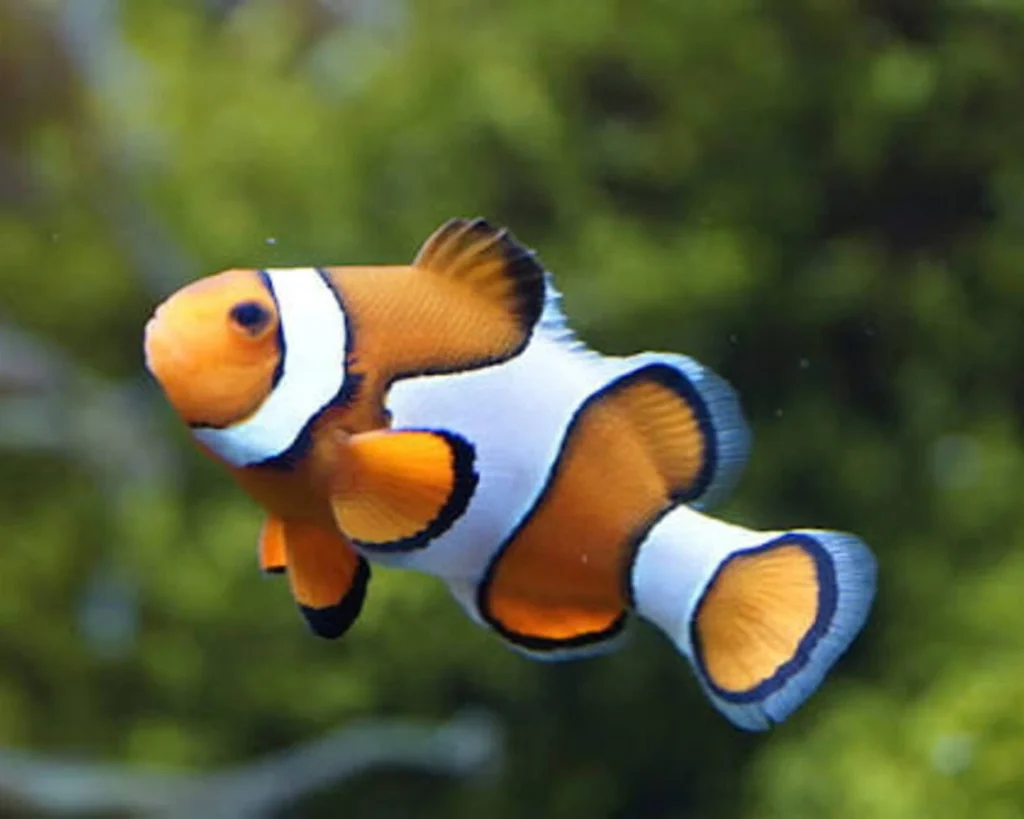
One of the amazing facts about Clownfish is that Clownfish, is known for being excellent parents, which is uncommon in the fish world. While many fish release their eggs and provide little care, clownfish take a very hands-on approach. A female clownfish can lay hundreds or thousands of eggs on a flat surface near a sea anemone.
The male then assumes most of the responsibility for the eggs until they hatch. He fans the eggs with his fins to ensure they get enough oxygen and removes any damaged or infected eggs to protect the nest from disease. This dedicated care significantly boosts the chances of the young fish surviving once they hatch, which usually happens at night. After the eggs hatch, the tiny larvae drift into the ocean to begin a new life, but the parents do not care for them afterward. However, their efforts during the egg stage give the next generation a better chance of survival.
3) Species Of Clownfish
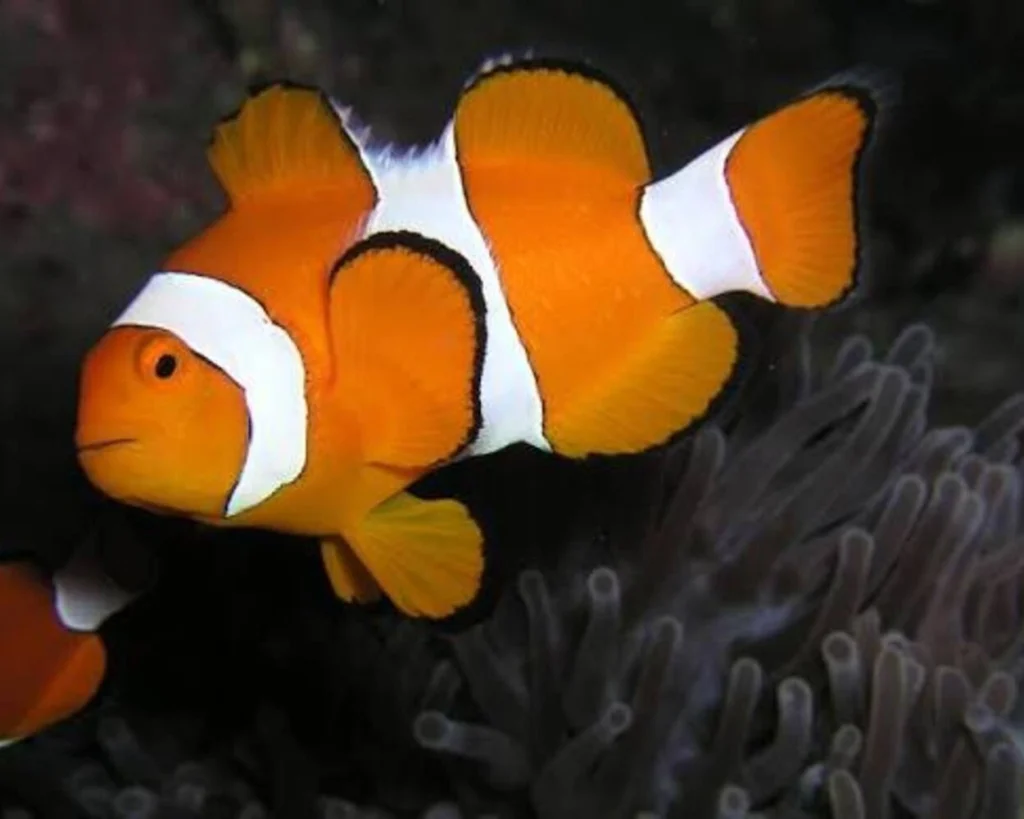
One of the amazing facts about Clownfish is that there are more than 30 species of clownfish, contrary to the belief that they all look alike. These species differ in color, size, and where they are found in the Indo-Pacific region. The most well-known clownfish is the orange clownfish, recognized for its bright orange body and white stripes. Other species can be dark brown, yellow, reddish, or nearly black, and they have various stripe patterns.
Different clownfish species usually live with specific types of sea anemones, and not all clownfish can coexist with every kind of anemone. Over millions of years, these relationships have formed into specialized partnerships that aid in their survival.
2) Sound
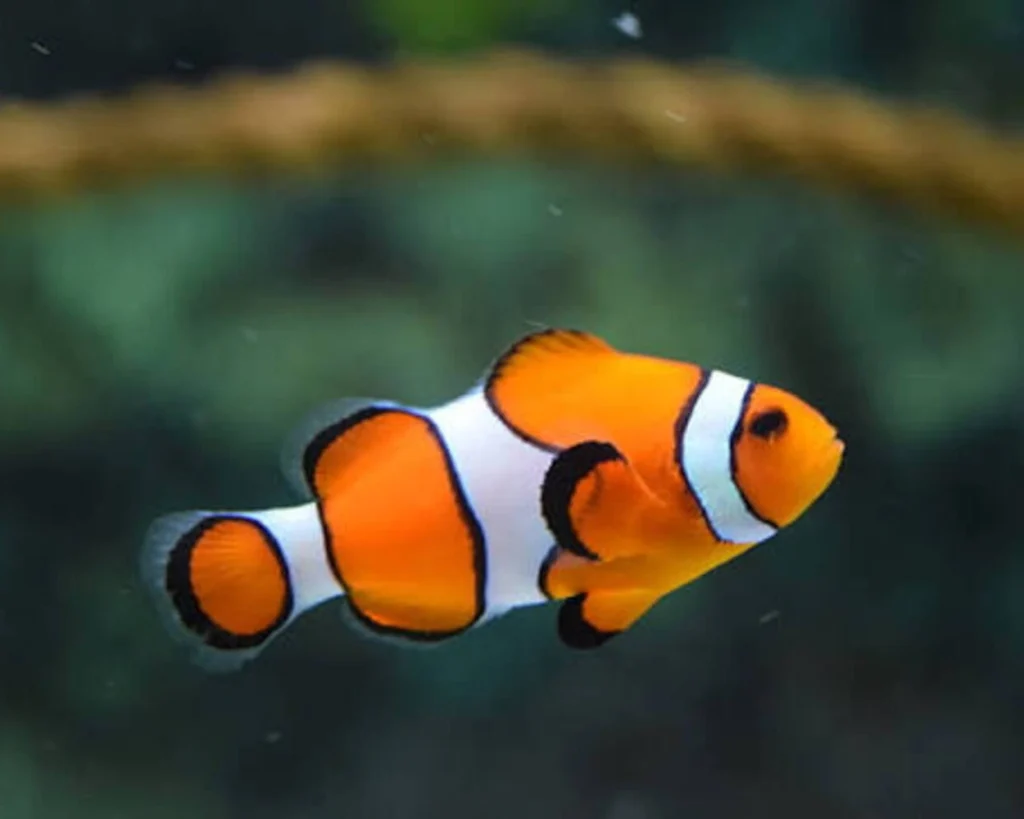
One of the amazing facts about Clownfish is that Clown fish can make sounds, even though fish are often seen as silent. They produce various noises to communicate, including clicking, popping, and chirping. These sounds are made by quickly moving their jaws or grinding parts inside their mouths. While these noises might be faint to humans, they are crucial for clown fish communication.
They use these sounds to establish and maintain social ranks in their group. Smaller clown fish may make specific noises to show submission, while larger fish use sounds to assert dominance. This vocal behavior helps keep order within their anemone community.
1) Crucial Role
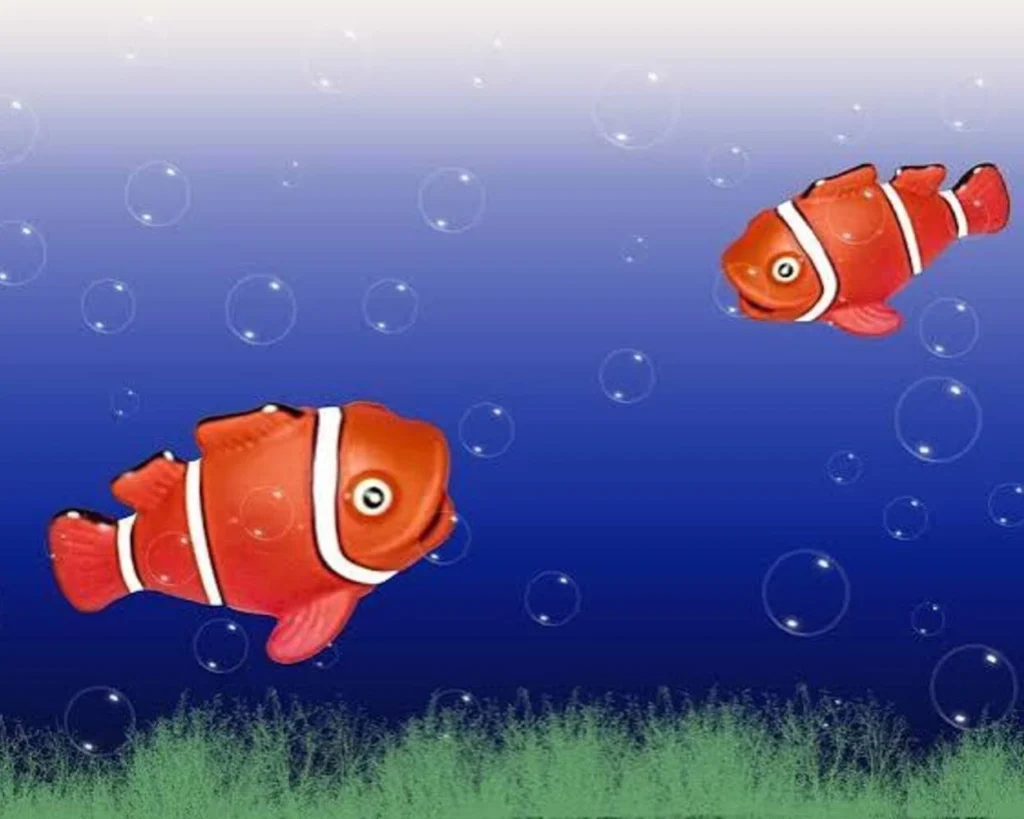
One of the amazing facts about Clownfish is that Clown fish play a crucial role in keeping coral reefs healthy despite their small size. Their daily activities benefit both the sea anemones they live in and the surrounding environment. As clown fish swim among the anemone tentacles, they improve water circulation, which enhances oxygen and nutrient flow while removing waste.
They also help their host by cleaning away parasites and debris that could cause harm. Additionally, the waste from clown fish provides nutrients to the anemones and nearby organisms. Research shows that anemones with clown fish grow faster and healthier than those without.