
In this article we will explore some of the amazing facts about Cactus, revealing their fascinating qualities. Cactus are often seen as lonely plants in the desert, strong and capable of surviving harsh conditions. They symbolize toughness and resilience. However, there is much more to cactus than meets the eye. So let’s know.
5) Store Water
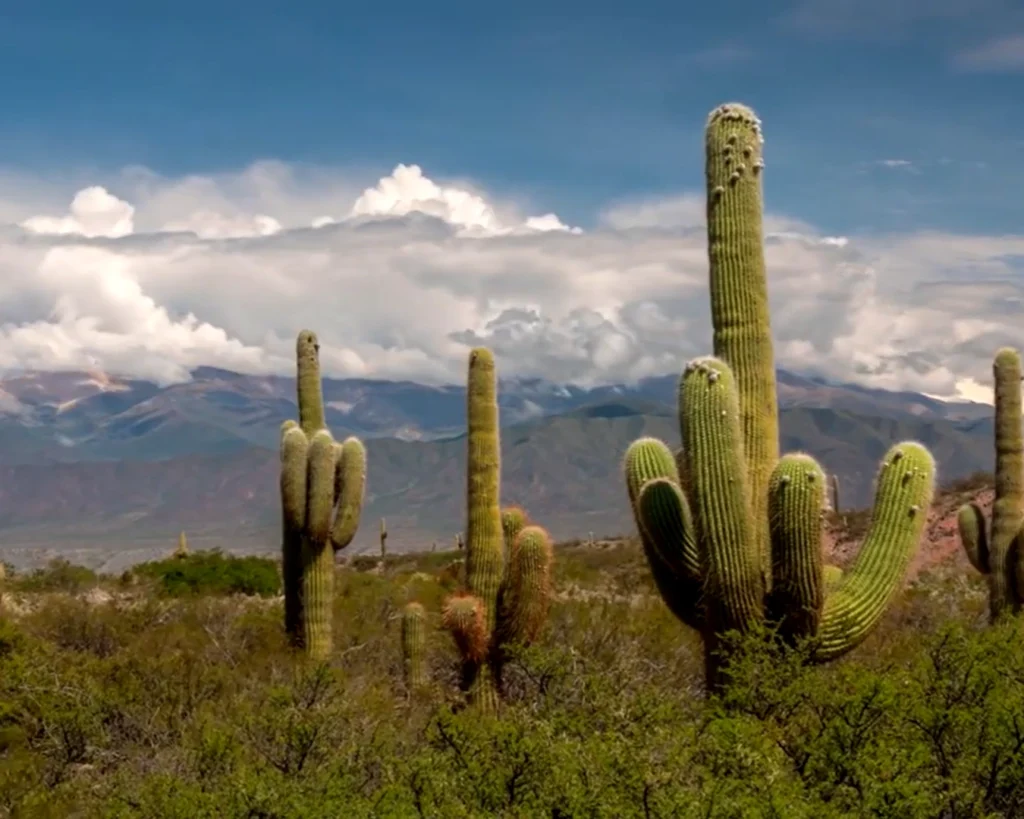
One of the amazing facts about Cactus is that Cactus have a unique ability to store large amounts of water, making them capable of surviving long periods without rain. Their thick, fleshy stems function as reservoirs, soaking up water during rare rainfalls. Inside these stems are special tissues that resemble sponges, allowing them to absorb hundreds of gallons of water after a rainstorm. As they fill, their ribbed or pleated stems expand and later shrink when the water is used during dry times.
Cactus also have a thick waxy layer to reduce water loss through evaporation. Instead of leaves that lose water quickly, most cactus have spines, which help them conserve moisture more efficiently. This adaptation enables cactus to live in areas with very low annual rainfall, sometimes less than 10 inches.
4) Cactus Spines
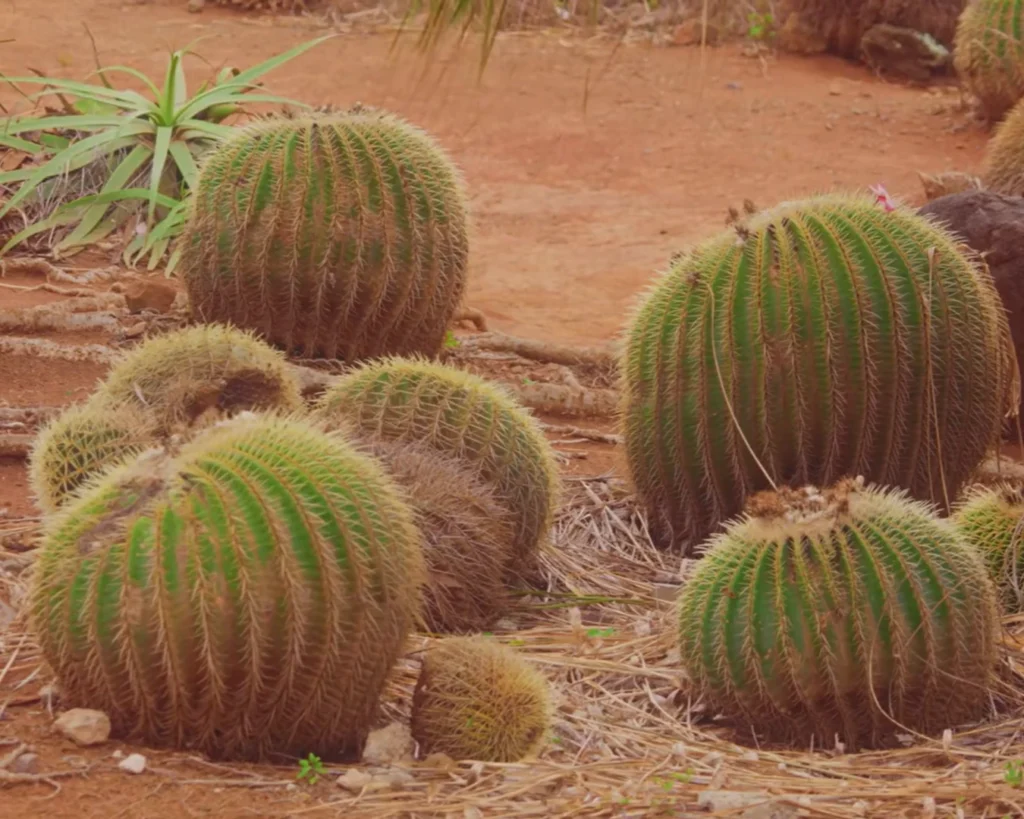
One of the amazing facts about Cactus is that Cactus spines do more than just keep animals away; they also play important roles in the plant’s survival. These spines are actually modified leaves that evolved over millions of years. Traditional leaves lost too much water in dry climates, so natural selection led cactus to develop sharp needles instead. This adaptation helps reduce water loss due to evaporation.
Additionally, the spines provide shade by forming a protective layer that blocks some of the intense sunlight, keeping the plant cooler. Some cactus even have white or fluffy spines that reflect sunlight, further aiding in temperature regulation.
3) Lifespan And Growth
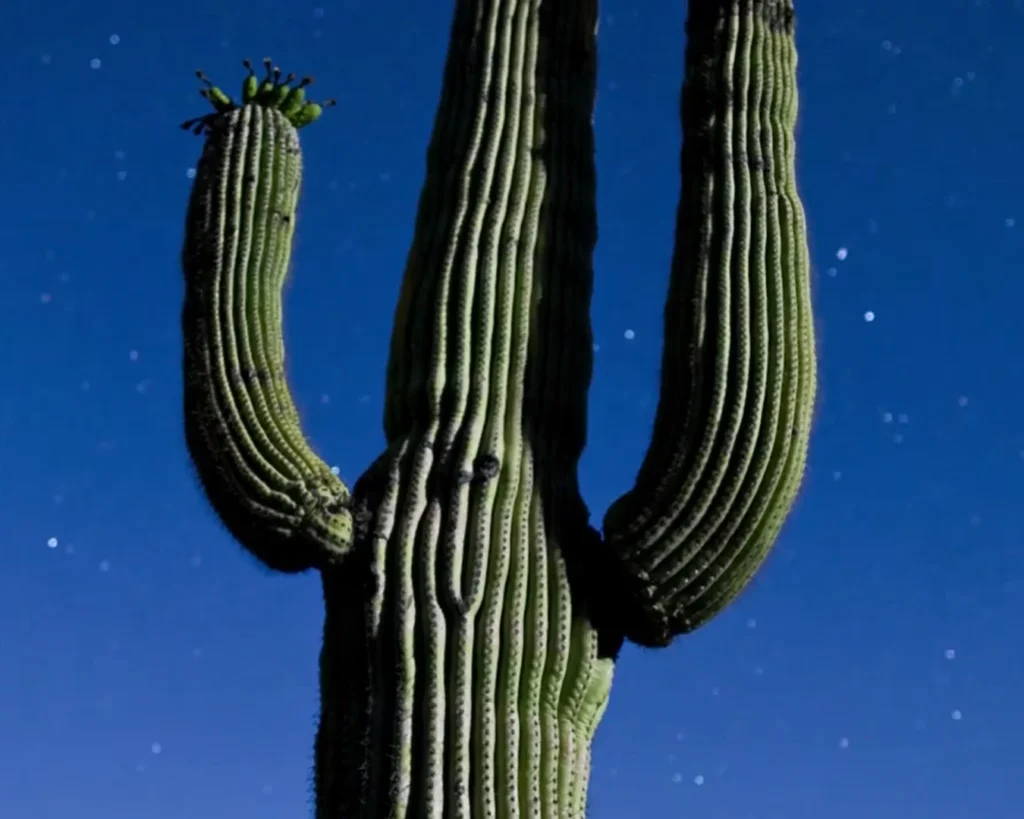
One of the amazing facts about Cactus is that some cactus can live for over 200 years, making them some of the longest living plants on Earth. While many smaller species only survive for a few decades, larger cactus can live for centuries. The Saguaro Cactus is a well-known example, found in the Sonoran Desert, with healthy individuals typically living between 150 to 200 years, and some possibly even older. These cactus grow very slowly, taking around 10 years to reach just 2 inches tall.
As they grow, Saguaros can become over 60 feet (18 meters), comparable to a six-story building. These large cacti are also very heavy; a mature Saguaro can weigh between 4 and 8 tons due to the water stored in its thick stem, which helps it endure long droughts. Their arms usually start to appear between the ages of 50 and 100, making each mature cactus a unique piece of history.
2) Flowers And Fruits
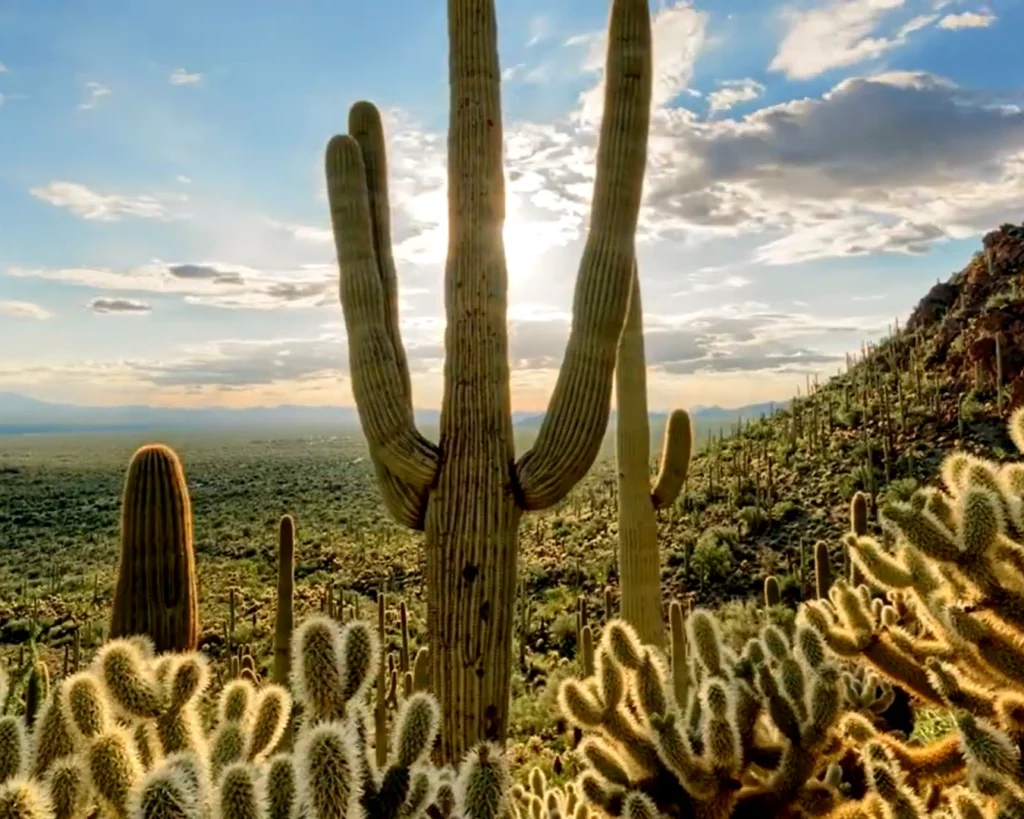
One of the amazing facts about Cactus is that Cactus can produce beautiful flowers and valuable fruit. Though they seem tough, many cactus bloom in bright colors like red, pink, yellow, orange, and white, creating stunning displays in dry areas. Some flowers only last for a day or a night. Night-blooming types depend on bats and moths for pollination, attracting them with sweet scents before the flowers close at dawn.
Additionally, many cactus bear edible fruits. For example, the prickly pear cactus provides colorful fruits that can be eaten fresh or turned into jams, candies, juices, and desserts. Dragon fruit, a popular tropical fruit, also comes from a climbing cactus found in Central and South America.
1) Breathing System
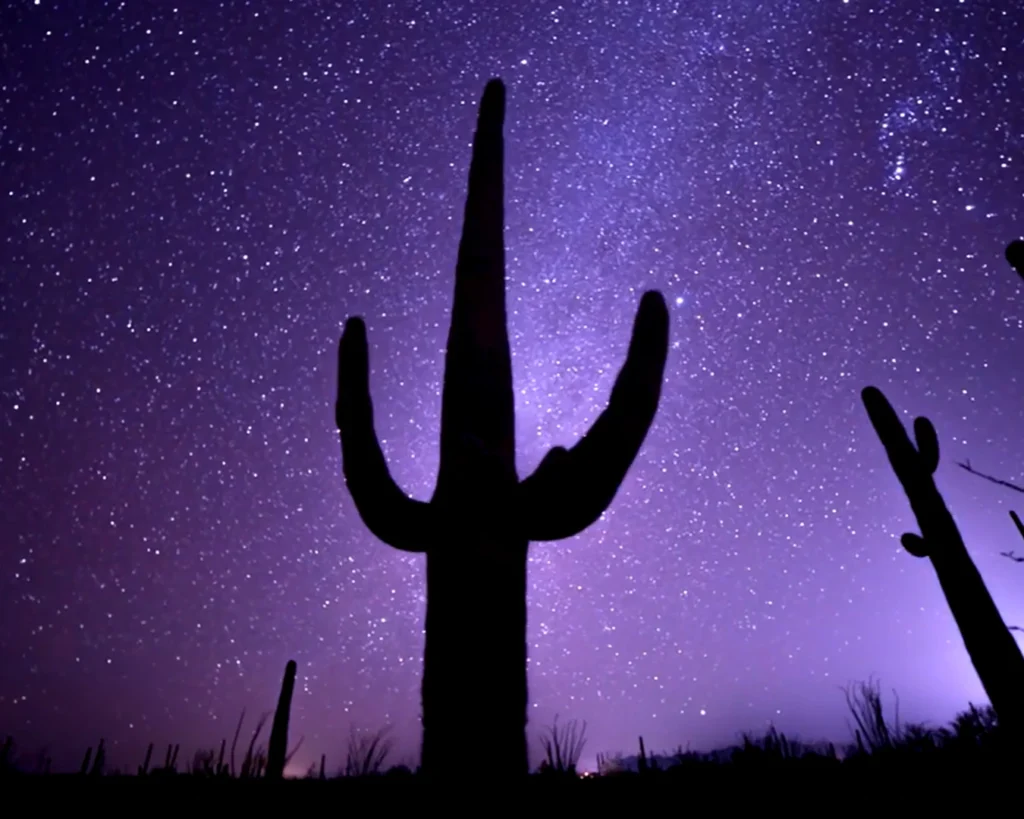
One of the amazing facts about Cactus is that Cactus have a unique way of breathing that helps them conserve water in the desert. Unlike most plants that open tiny pores on their leaves, called stomata, during the day to take in carbon dioxide, cactus keep these pores closed to prevent water loss from the intense heat. Instead, they use a special process called CAM (Crassulacean Acid Metabolism) photosynthesis.
Cactus open their stomata at night when it’s cooler and more humid, allowing them to absorb carbon dioxide. This carbon dioxide is stored inside the cactus until daytime. During the day, the cactus uses the stored carbon dioxide to perform photosynthesis with sunlight, while still conserving water. This adaptation enables cactus to produce food without losing too much moisture.