
In this article we will explore some of the amazing facts about Parrots. Parrots are fascinating and intelligent birds known for their bright feathers, playful behavior, and ability to mimic human speech. They have complex brains, social lives, and survival strategies that highlight their uniqueness in the animal kingdom. This article focusing on how they think, communicate, survive, and interact with their environment. Each fact will show just how advanced these birds are and the remarkable traits they possess. So let’s know.
5) Intelligence
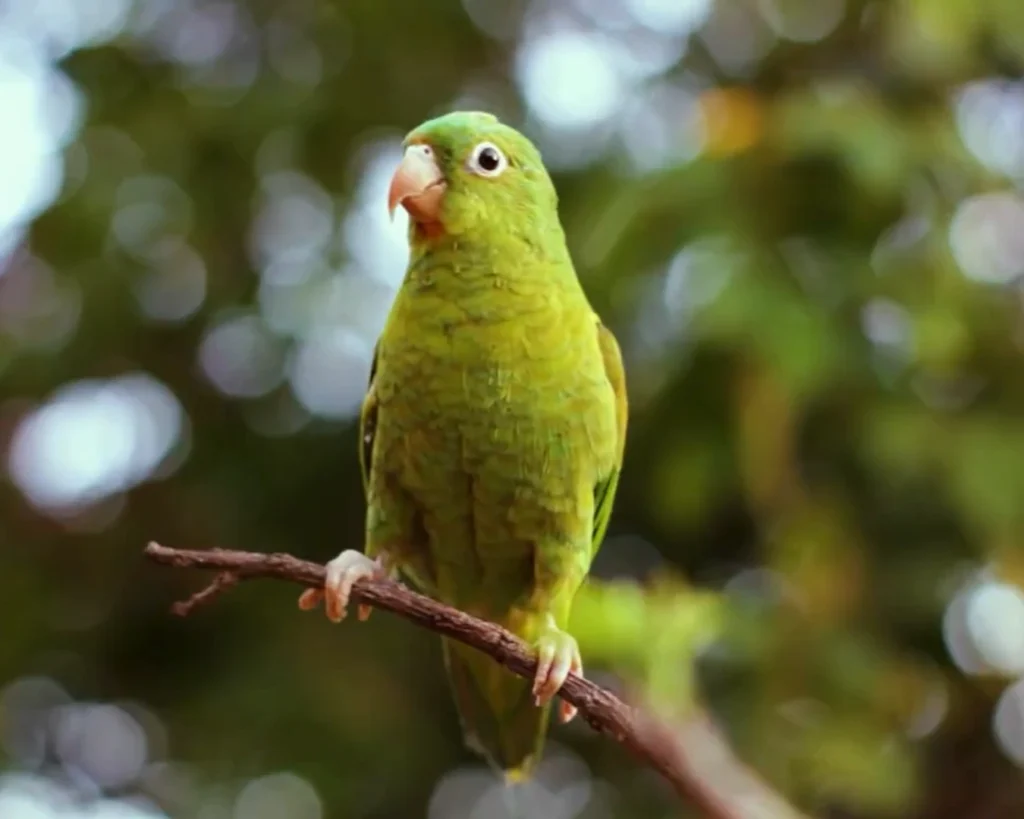
One of the amazing facts about Parrots is that Parrots are known for their exceptional intelligence, often compared to that of young children. Their cognitive abilities allow them to solve problems and learn patterns, which sets them apart from many other animals that depend on instinct. Parrots can solve puzzles and have been seen opening locks and using tools to access food. This intelligence reflects their capacity for memory, patience, and experimentation.
The structure of a parrot’s brain supports advanced learning, particularly in the areas responsible for higher thinking, enabling them to learn from experiences and remember past solutions. Additionally, parrots exhibit emotional intelligence by recognizing individual humans and birds and forming long-term bonds. They can show empathy, as some parrots comfort their distressed companions, demonstrating a level of emotional awareness uncommon in birds.
4) Mimicry
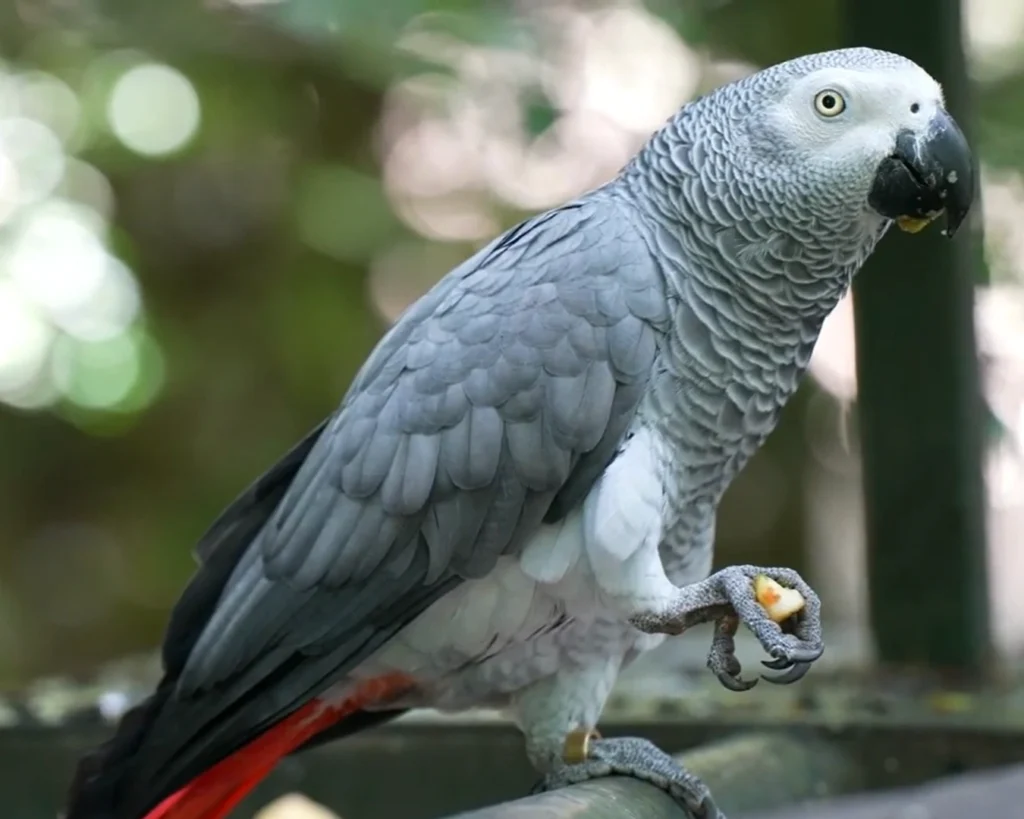
One of the amazing facts about Parrots is that Parrots are well-known for their ability to mimic human speech and sounds, but this skill is often misunderstood. They do not communicate like humans; instead, they are expert imitators of noises they hear around them. Parrots have a special vocal organ called the syrinx, which lets them create many different sounds.
Unlike mammals that use vocal cords, parrots uniquely control airflow and muscles, allowing for great vocal flexibility. In the wild, parrots mimic sounds to stay connected with their flock. In captivity, they mimic human voices as they view humans as part of their social group. Some parrots can learn hundreds of words and phrases. The African gray parrot, for instance, can not only repeat words but also link them to meanings, indicating a higher level of understanding beyond mere repetition.
3) Unique Ability

One of the amazing facts about Parrots is that Parrots have a unique ability to use their feet like hands, thanks to their zygodactyl feet, which have two toes facing forward and two backward. This foot structure allows them to grip and control objects well. In the wild, parrots hold food with their feet, peel fruit, crack nuts, and position items for easier eating.
This skill helps them access food that is hard for other birds to manage. In captivity, parrots continue to use their dexterous feet for play and problem-solving. They can pick up toys, unlock small mechanisms, and explore objects effectively. This behavior showcases their cognitive abilities and motor coordination skills.
2) Bright And Colorful Feathers
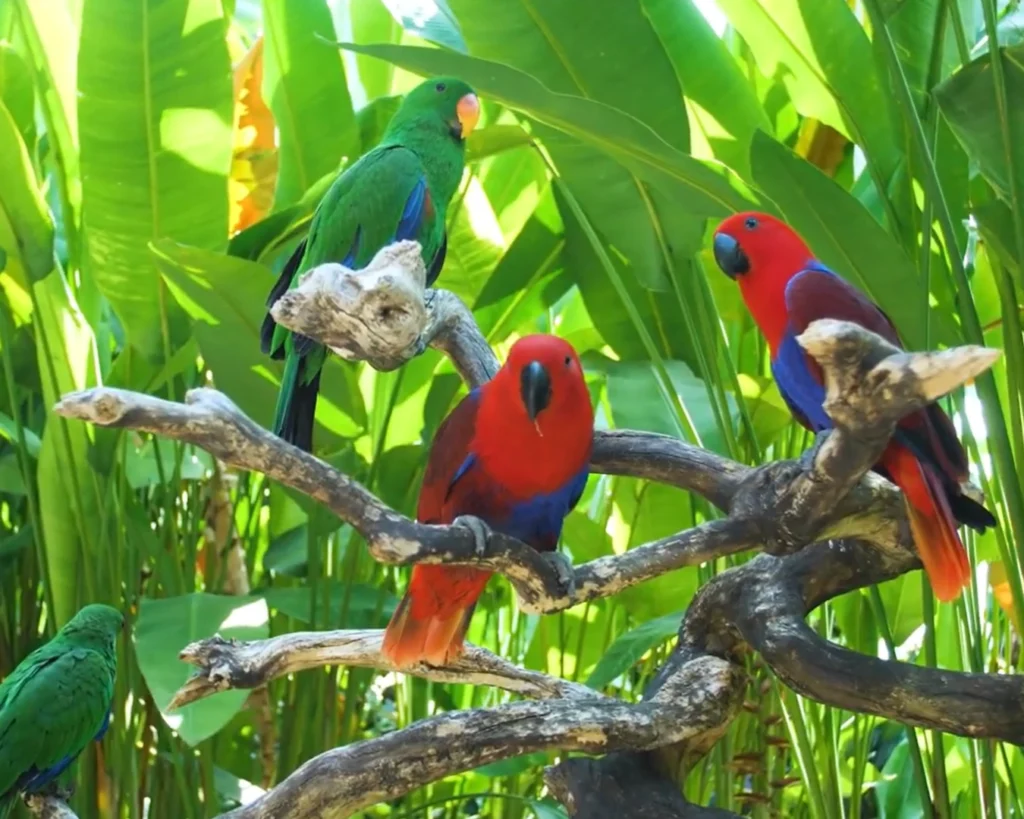
One of the amazing facts about Parrots is that Parrots are known for their bright and colorful feathers, which serve important purposes beyond just looks. Their vibrant colors come from a mix of pigments and the way light reflects off special feather structures. These colors aid in communication, signaling health and strength to potential mates, as more colorful parrots often attract partners better.
Additionally, their coloration helps with camouflage; in tropical forests, the bright greens and mixed colors allow parrots to blend into the dense foliage, making it harder for predators to see them. Overall, parrot feathers play crucial roles in reproduction and protection.
1) Long Lifespans
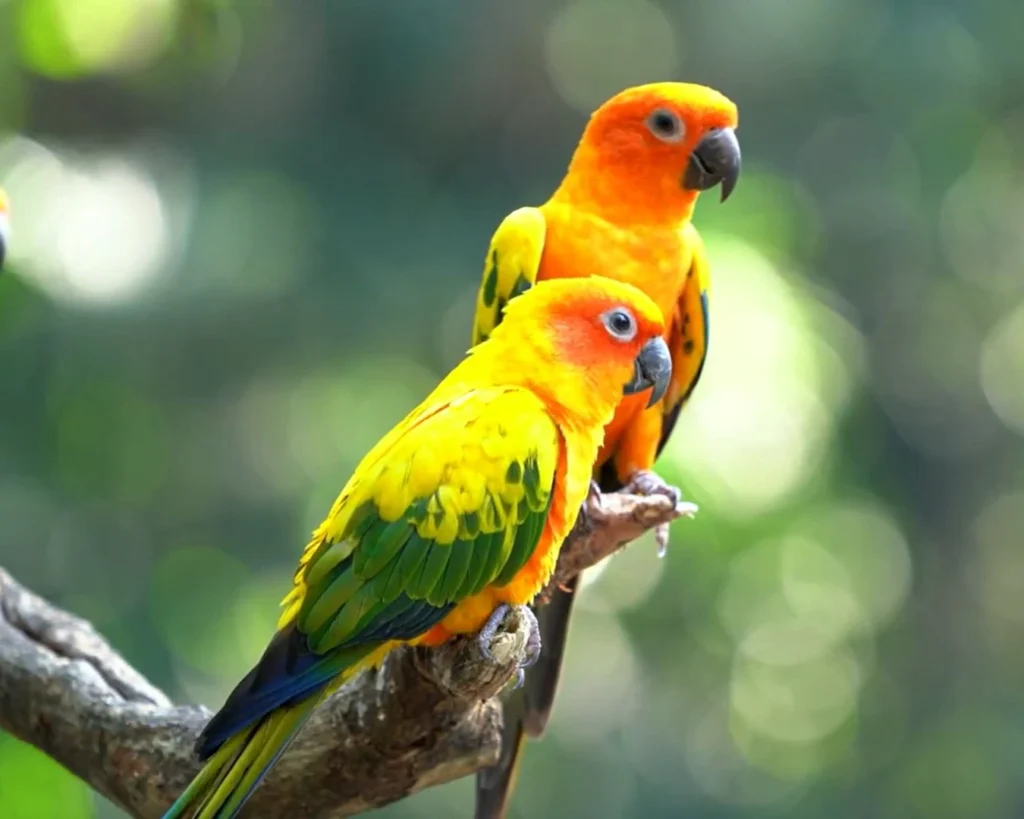
One of the amazing facts about Parrots is that Parrots have long lifespans compared to most birds, often living for several decades. While smaller birds like sparrows may only live a few years, many parrots can live from 50 to 80 years in captivity with proper care. Some may even live longer. Their long lifespan is linked to their slow reproduction rate and advanced brain development.
In the wild, their longevity relies on environmental factors like predators, food availability, and disease, though adult parrots that survive usually have good survival skills and flock protection. Their extended lives allow them to form long-term social memories, remembering both bird and human companions for many years. This ability to remember is a key reason why parrots create strong emotional bonds.