
In This article we will explore some of the best prebiotic superfoods that prebiotics are essential for gut health. 90% of your immune system, mood, energy levels, and aging process are influenced by tiny organisms in your gut. To support these organisms, it’s not enough to take probiotics; you also need prebiotics, which are the food that gut bacteria require to grow and function properly. Probiotics without prebiotics cannot thrive. The foods listed below are supported by scientific evidence and historical use. So let’s explore.
5) Chicory
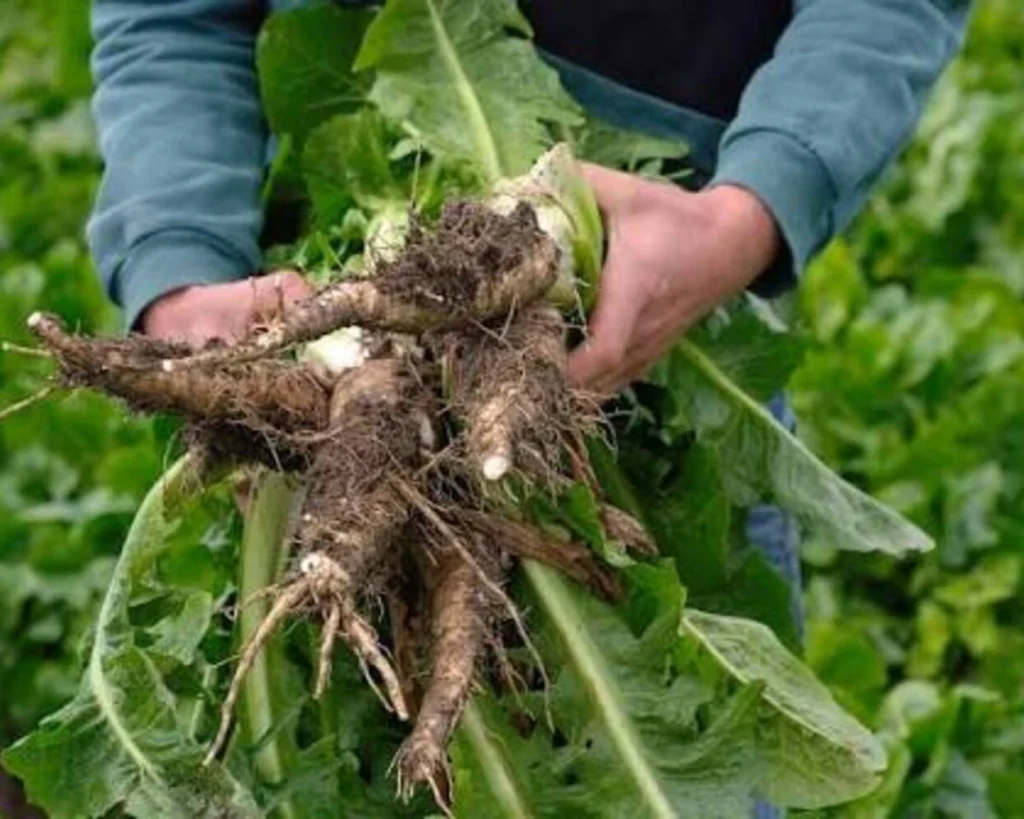
One of the best prebiotic superfoods is Chicory root, is the most concentrated source of prebiotic inulin on Earth, containing up to 41 grams of inulin per 100 grams of dry weight. Most commercial inulin supplements sold for gut health come from Chicory root. If you have taken inulin or FOS supplements, you have likely consumed Chicory root extract unknowingly. This root has a long history in traditional medicine, used by European herbalists for liver support and digestive health, and valued in Ayurveda for its cooling and detoxifying effects.
Chicory root can also be found in its roasted form as a caffeine-free coffee substitute, which has been used since the Napoleonic era during coffee shortages. Clinical studies show that consuming Chicory root can improve bowel frequency, stool consistency, and beneficial bacteria counts in the gut. Research published in the British Journal of Nutrition found significant improvements in gut function in healthy adults over four weeks of regular consumption.
You can use Chicory root powder as a coffee alternative or additive, available in health food stores and online. Start with a teaspoon in hot water and increase the amount as needed.
4) Garlic
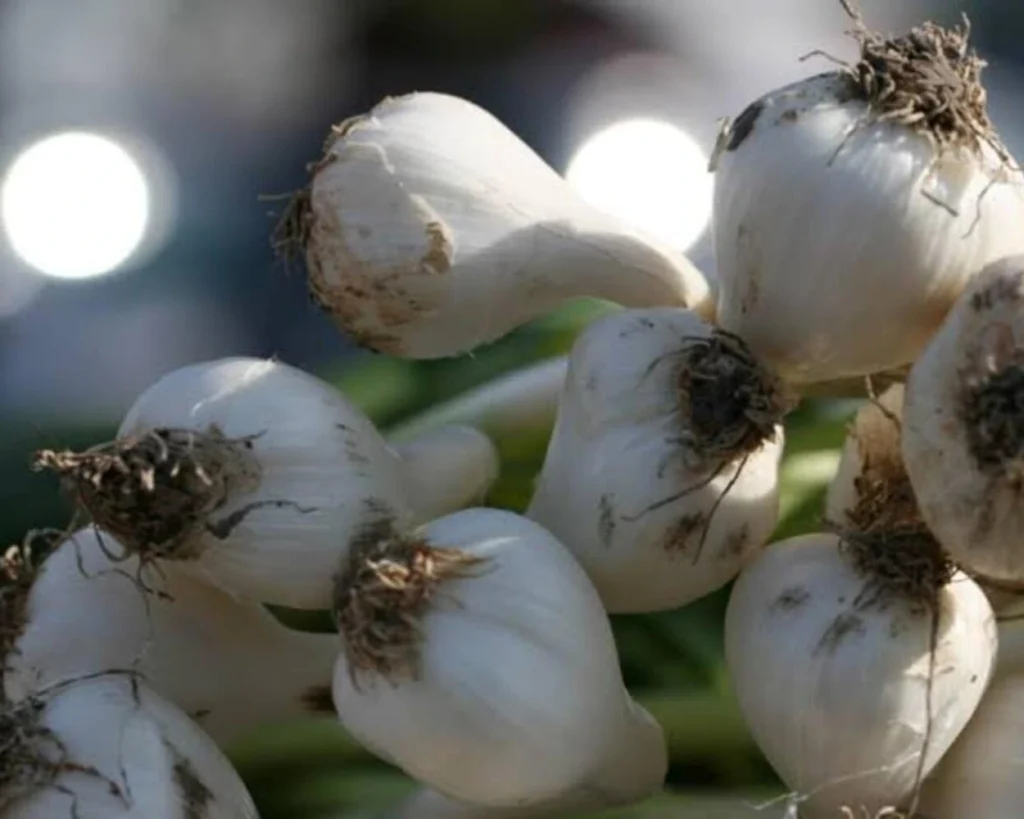
One of the best prebiotic superfoods is Garlic, is a well-known prebiotic food that supports beneficial bacteria in the gut. It contains compounds like fructosaccharides and inulin that are not digested in the small intestine and reach the colon, where they are consumed by helpful bacteria such as bifidobacterium and lactobacillus. Research shows that eating garlic increases these beneficial bacteria while reducing the growth of harmful ones. Garlic’s effects are enhanced by its antimicrobial properties, particularly due to compounds like allicin. This shows that garlic has a more complex impact on gut health than many realize.
For centuries, cultures in the Mediterranean, Asia, and the Middle East have used garlic for both cooking and medicinal purposes. Modern research is now uncovering how these traditions work. To get the most benefits from garlic, it is recommended to crush or mince it and let it sit for a few minutes before cooking. This process helps preserve its beneficial compounds. Incorporating raw garlic into dressings and dips is also advised. For the best microbiome effects, it is beneficial to use garlic daily.
3) Onion
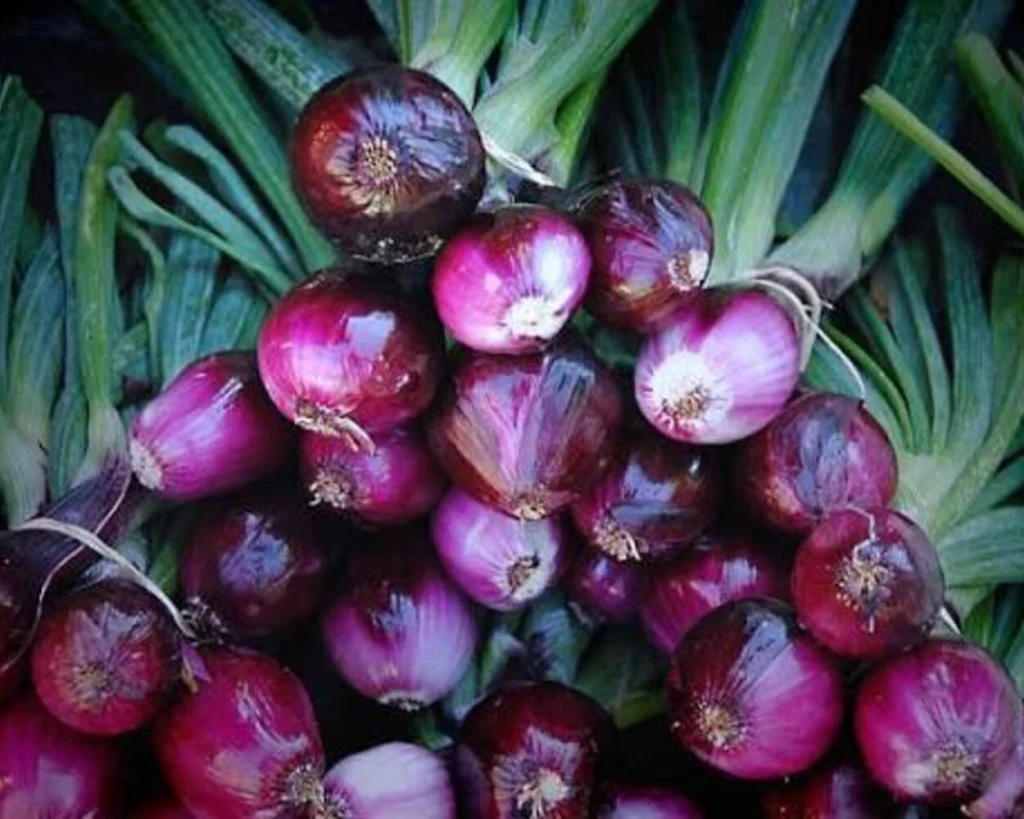
One of the best prebiotic superfoods is Onion, is a widely used vegetable around the world, serving as a key flavor base in many dishes. They offer a prebiotic benefit that most people may not be aware of. Onions are rich in prebiotic fibers, such as inulin and fructosaccharides, which help feed beneficial bacteria in the gut. A raw onion provides about 4 to 7 grams of prebiotic fiber per 100 grams, making a significant contribution to daily intake.
Additionally, onions contain quercetin, a flavonoid that supports gut health by maintaining the gut epithelium and helping to regulate immune activity in the gut. Since about 70% of the immune system is located around the gut, a healthy gut is important for overall immune function. While red onions have a higher polyphenol content compared to white or yellow onions, all varieties provide essential prebiotic fiber.
For maximum health benefits, eat onions raw in salads and salsas or cook them slowly to bring out their sweetness, pairing them with resistant starch foods for a gut-friendly meal. Overall, onions contribute significantly to gut health, often more than many dietary supplements.
2) Apple
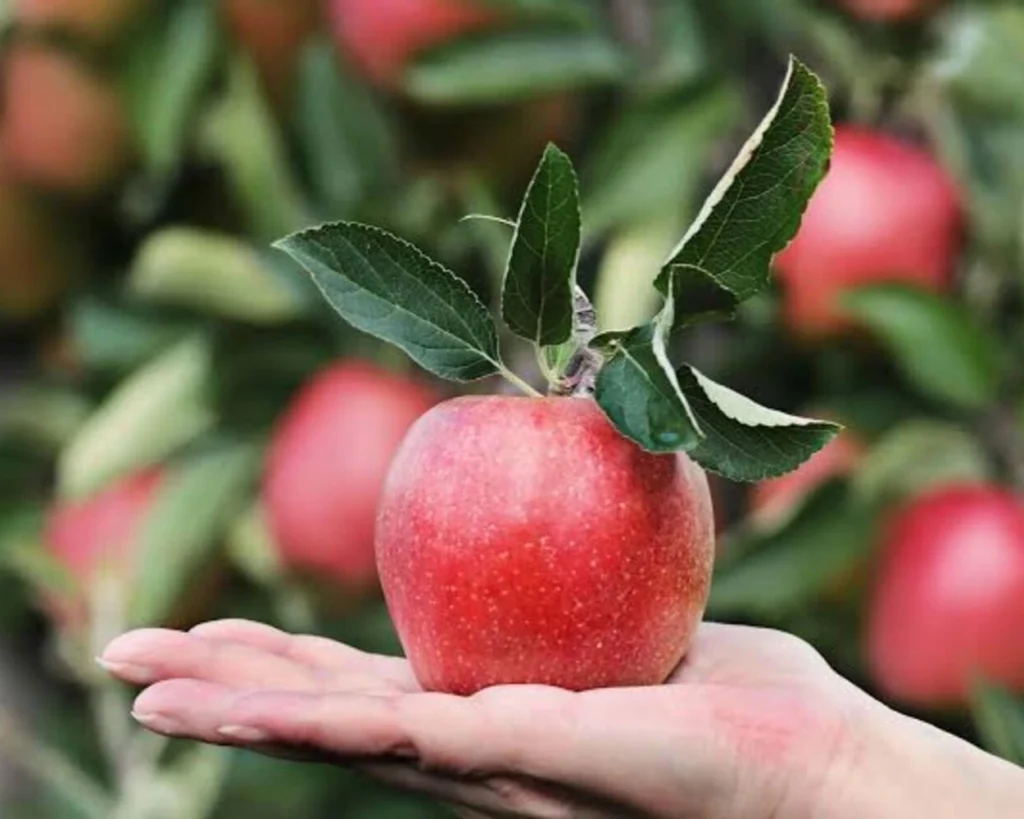
One of the best prebiotic superfoods is Apple. Eating apples every day can greatly benefit your gut health. Apples are high in pectin, a soluble fiber found mainly in their skin, which acts as a prebiotic. Unlike some other fibers, pectin is not digested in the small intestine but reaches the colon intact, where it feeds good bacteria like acromania mutinya. This bacteria is important for gut health, metabolic health, and maintaining body composition.
A study showed that eating apples increased the population of acromania in people. This bacteria helps keep the mucous lining of the gut thick and strong, protecting the gut wall from harmful substances. Apples also contain quercetin, an anti-inflammatory compound found in onions, and malic acid, which aids digestive enzymes. They have a variety of polyphenols that help the entire microbiome, not just specific bacteria.
To get the most benefits, eat whole apples with the skin and chew them well. Juicing apples removes most of the fiber. Consuming one apple daily is an effective way to improve gut health, as supported by research.
1) Cooked And Cool Potatoes

When you cook and then cool potatoes, their starch transforms in a surprising way that can affect your diet. Hot, cooked potatoes have starches that are easily digestible, leading to a quick spike in blood sugar. However, when you cool them, a process called retrogradation occurs. This process realigns starch molecules into a form that the body cannot easily digest. The result is resistant starch, which acts as a prebiotic.
Studies show that allowing cooked potatoes to cool for 12 to 24 hours can increase their resistant starch content significantly. This change reduces their glycemic impact and promotes the growth of beneficial bacteria in the gut. Even when you reheat cooled potatoes gently, much of the resistant starch remains intact. Traditional food practices, like potato salads and cold boiled potatoes, took advantage of this benefit.
To get the most from potatoes, you should prepare them ahead of time. Make dishes like potato salads the night before, cook them in batches, and store them in the fridge. Whether you eat them cold or warm, cooled potatoes can serve as a healthier option for your gut health. If you look out one of the convenient prebiotic superfoods, this option is better for you.