
In this article we will explore five real, scientifically backed dangerous events that could lead to the extinction of all life on Earth. Humanity is captivated by the idea of the world’s end, whether through science, myths, or imagination, sparking fear and curiosity.
The key question is whether we are prepared for such an event. While these disasters may sound like science fiction, they are real threats that highlight the vulnerability of life on Earth. Although the likelihood of these events occurring in our lifetime is low, they emphasize the need for scientific research, preparation, and resilience. So let’s explore.
5) Super Solar Flare
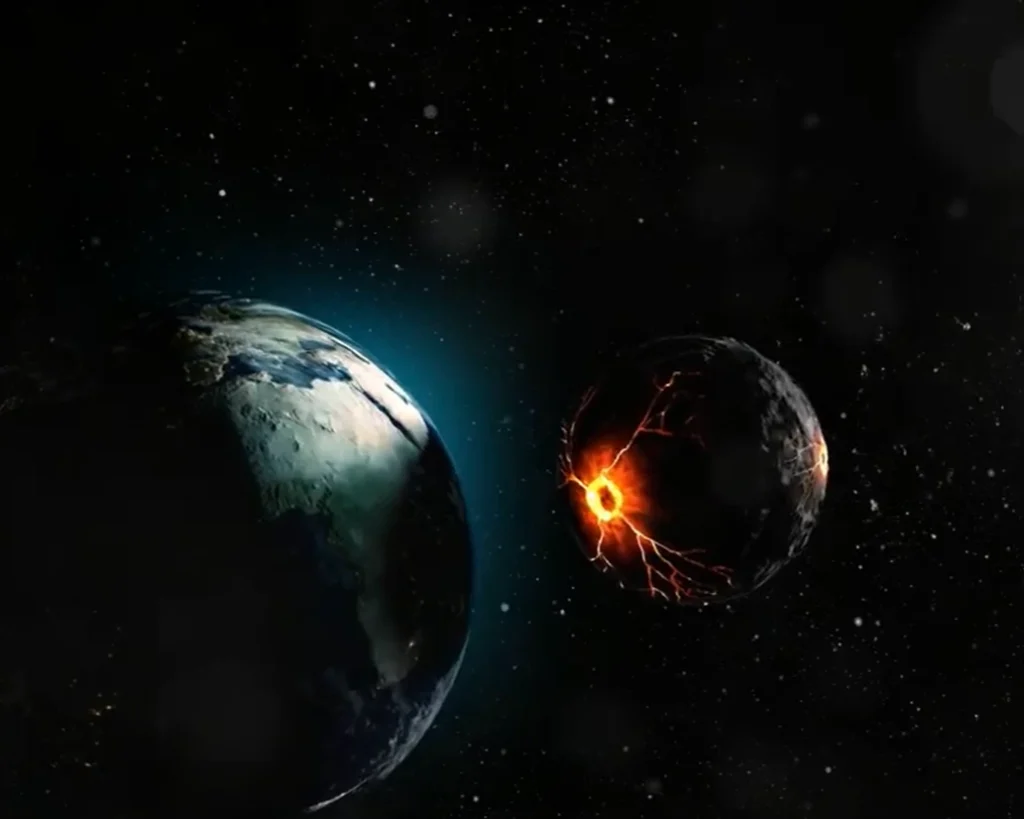
Scientists warn that a super solar flare, also called a coronal mass ejection, could cause massive destruction on Earth. It is one of the dangerous events. While smaller solar flares happen often, a super flare could release energy much greater than an atomic bomb. It would damage satellites, ruin communication systems, and cause worldwide power outages.
The biggest threat is the intense radiation that could destroy the ozone layer, exposing life to harmful ultraviolet rays. This could lead to crop failures and the collapse of ecosystems, leaving humanity in chaos. Although such an event is unlikely, it is not impossible. The last major solar storm, the Carrington event of 1859, was much less severe than what could potentially occur.
4) Earth’s Magnetic Field
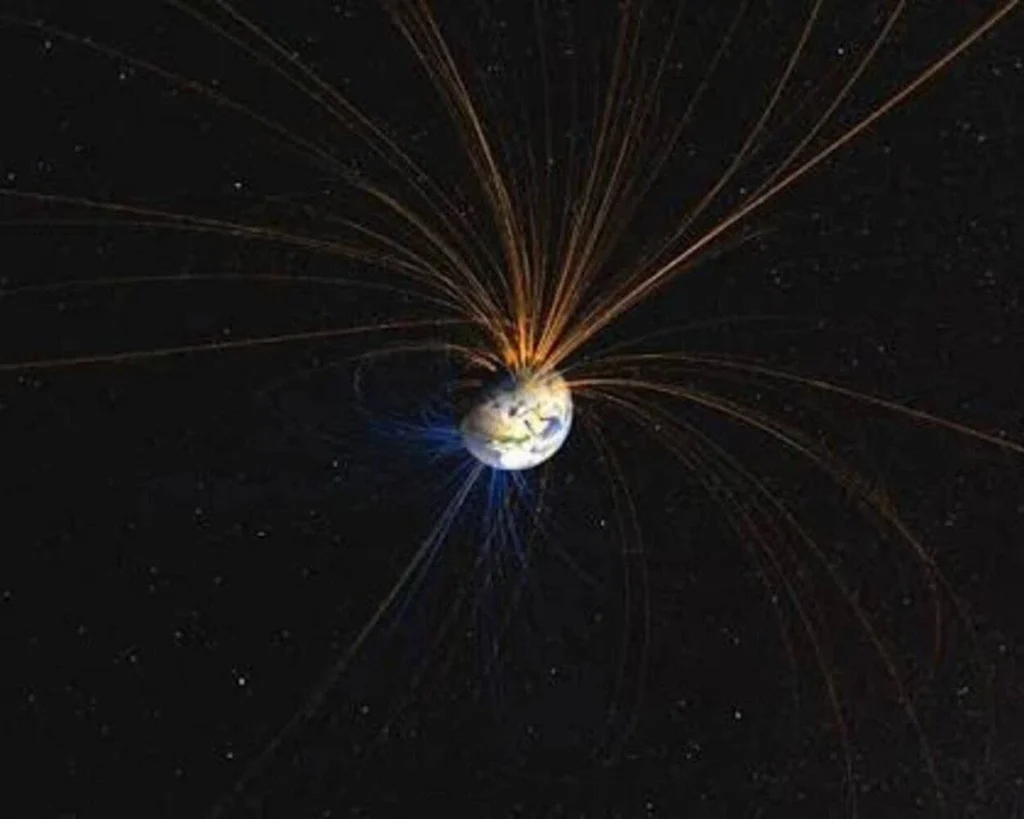
Earth’s magnetic field acts like an invisible shield, protecting us from harmful solar winds and cosmic radiation. However, it could undergo a geomagnetic reversal, which has happened several times in the past. This means the magnetic field would weaken, making Earth more vulnerable to radiation, which could lead to higher cancer rates and harm our technology.
Essential systems like GPS and power grids might fail, and animal migration patterns could be disrupted. Scientists believe the entire reversal process would take thousands of years, but it’s uncertain when it will start or what its full effects would be. It is one of the dangerous events.
3) Killer Asteroid
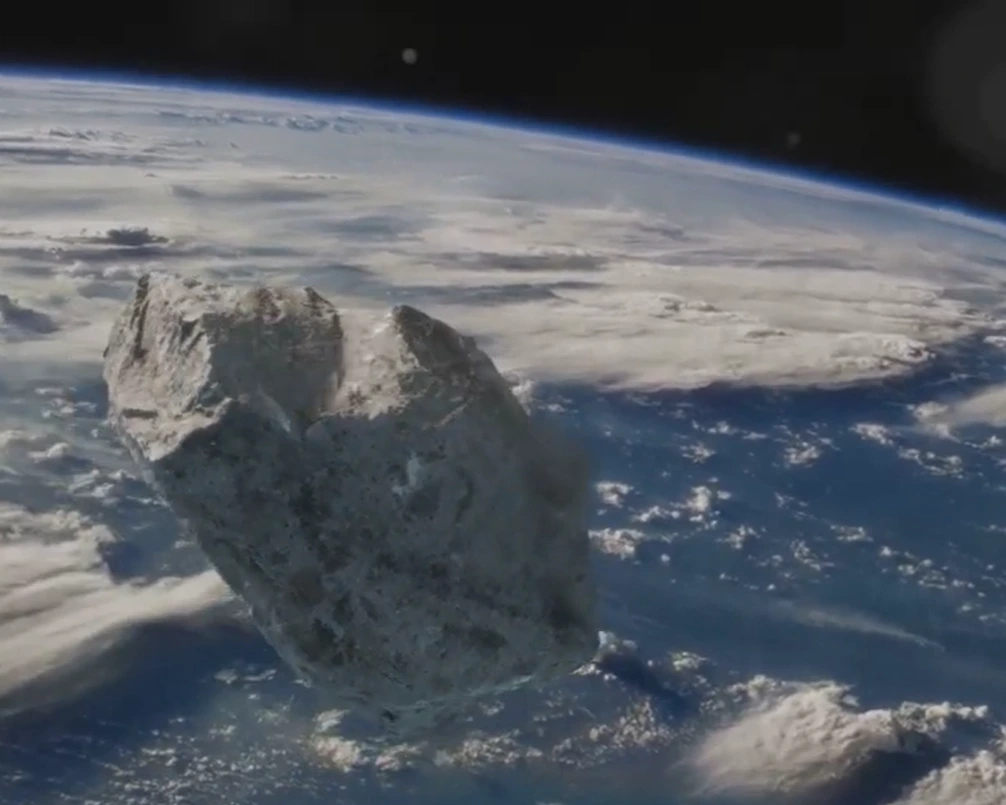
Killer asteroid movies like Armageddon and Deep Impact may be fictional, but the danger of a real asteroid impact is serious. It is one of the dangerous events. About 66 million years ago, an asteroid caused the extinction of the dinosaurs, and some scientists think Earth may face another catastrophic event. Even a small asteroid could unleash energy like millions of nuclear bombs, leading to massive tsunamis, earthquakes, and wildfires.
The dust and debris could create an “impact winter” by blocking sunlight for years. NASA and other space agencies are tracking near-Earth objects and testing ways to deflect them, but true preparedness for a massive asteroid remains uncertain.
2) Ocean’s Behaviour
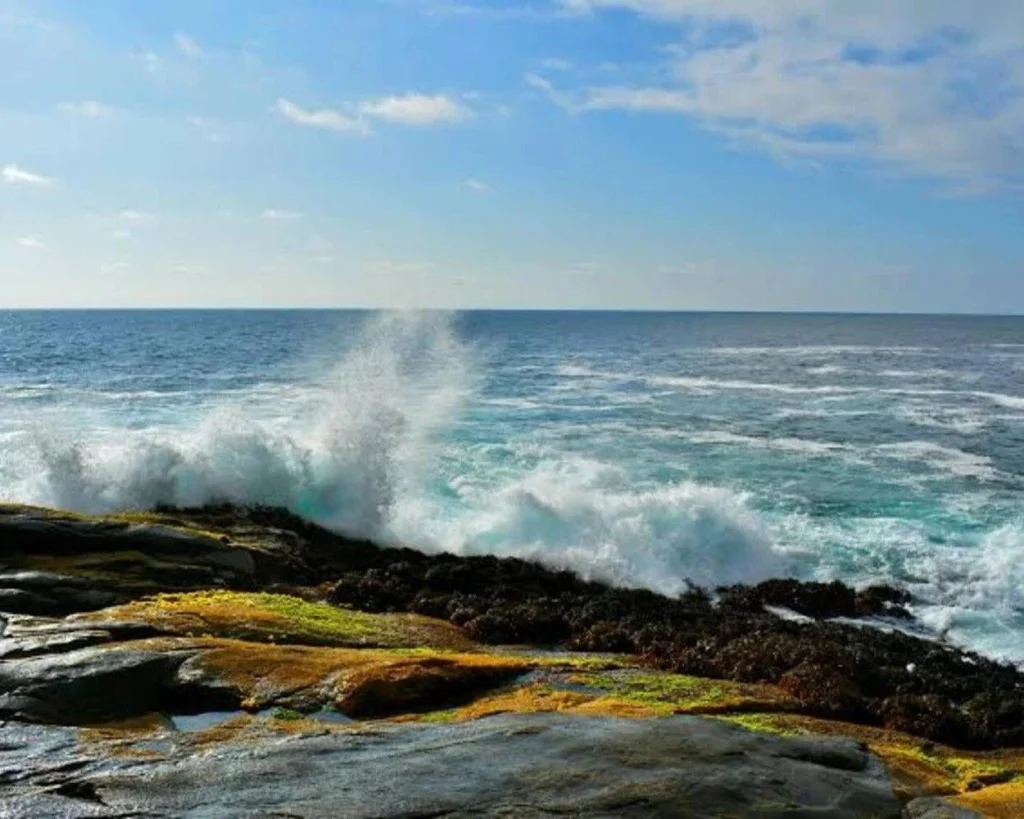
Oceans have great power that creat dangerous events. It may be two dangerous events occurs through oceans, scientists warning about It. One risk is the release of methane gas from beneath the ocean floor, which could happen if ocean temperatures rise. This release could cause a rapid greenhouse effect, drastically heating the planet and making life nearly impossible. The other threat is rising sea levels due to melting ice caps, which could inundate entire cities, displacing billions and leading to global conflict over resources.
Additionally, tsunamis from underwater earthquakes or volcanic eruptions could quickly devastate coastal areas. While oceans may appear calm now, they possess the potential to alter or end life on Earth.
1) Dangerous Super Volcano
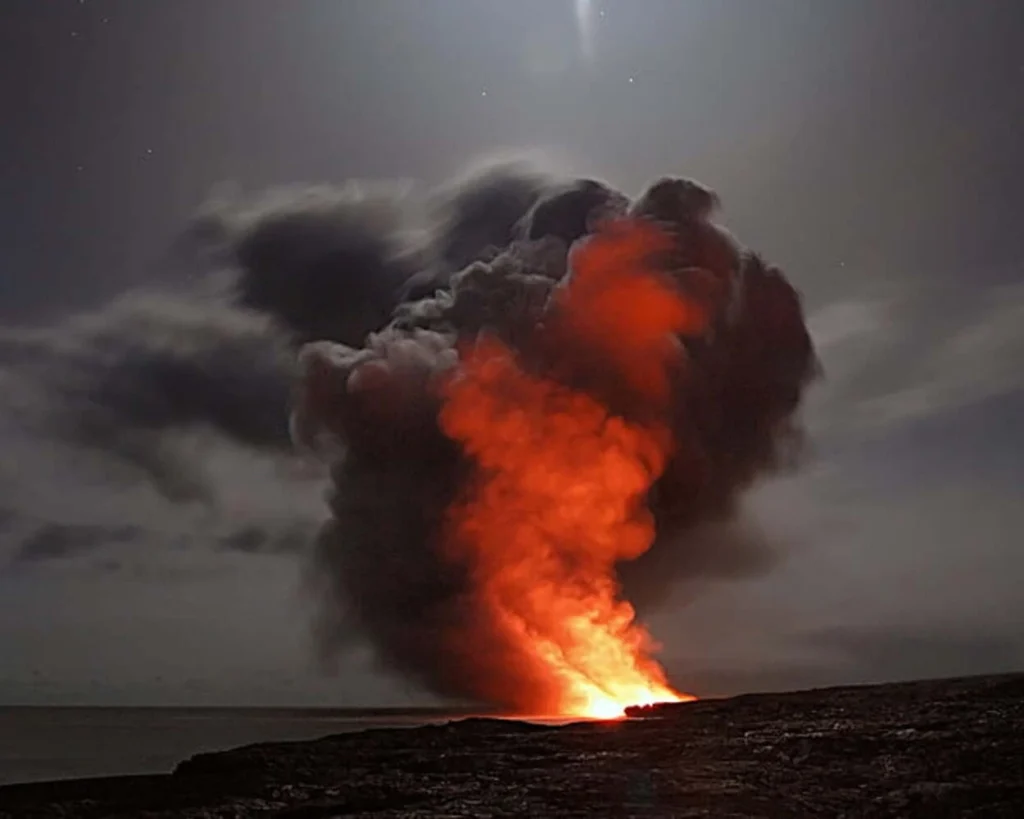
Beneath Yellowstone National Park lies one of the world’s most dangerous super volcanoes. It is one of the dangerous events. If it erupts, the effects could be devastating, releasing thousands of cubic kilometers of ash and lava, which could cover continents and lead to a volcanic winter. This would result in failed crops, lower temperatures, and potential starvation for billions. The last major super volcano eruption occurred 74,000 years ago in Indonesia, nearly wiping out humanity. Scientists keep a close watch on these volcanoes, but predicting an eruption remains uncertain.