
In this article we will explore some of the best protein rich superfoods that can help overcome protein gap and provide the necessary nutrients for strong leg muscles. These foods have been part of human diets for thousands of years. The feeling of weakness and stiffness in your legs as you age is not just a part of getting older; it’s due to a protein gap that can be addressed with real food instead of supplements or medications.
After the age of 60, your body struggles more to use dietary protein to build and maintain muscle, known as anabolic resistance. This means you need to consume more protein in a smarter way, not less. So let’s explore.
5) Greek Yogurt

One of the best protein rich superfoods is Greek Yogurt, is a nutritious food with ancient roots, often used by cultures in the Middle East, Balkans, and South Asia for its health benefits. It is made by straining yogurt to remove excess liquid, significantly increasing its protein content. A cup of plain Greek yogurt contains 17 to 20 grams of complete protein along with all nine essential amino acids, including leucine. Leucine is important for signaling muscle protein synthesis, which is vital for muscle health, especially in older adults.
Additionally, Greek yogurt is a good source of calcium and phosphorus, essential for strong bones, and supports muscle function. The live cultures found in traditionally fermented Greek yogurt also contribute to gut health, which is important for nutrient absorption and muscle recovery.
Research has shown that dairy protein rich in leucine, like Greek yogurt, leads to greater muscle protein synthesis compared to soy or wheat protein. It can be enjoyed plain, with berries and honey, or used in savory dishes. Incorporating Greek yogurt into your diet can help with leg strength and overall health, particularly as one ages.
4) Egg

One of the best protein rich superfoods is Egg, is highly nutritious and have been part of human diets since ancient times. They are considered one of the best foods for building muscles because they provide complete nutrition. A large egg has six grams of protein that is very well balanced, leading scientists to use it as a standard for measuring other proteins. The body retains and uses egg protein effectively, making it particularly important for older adults who may face challenges with muscle strength.
Egg yolks also contain vitamin D, which is crucial for muscle function. Many older people, especially in colder regions, often lack sufficient vitamin D, which can lead to muscle weakness and a higher risk of falling.
Additionally, eggs contain leucine, which helps activate the mTOR pathway, essential for muscle protein synthesis. Research shows that consuming whole eggs after exercising increases muscle-building better than just egg whites. Eating two to three eggs daily, prepared in various ways, is an affordable and effective way to improve leg strength. Concerns about the cholesterol in eggs are largely unfounded for most healthy individuals, and scientific views have been shifting in favor of egg consumption.
3) Almond
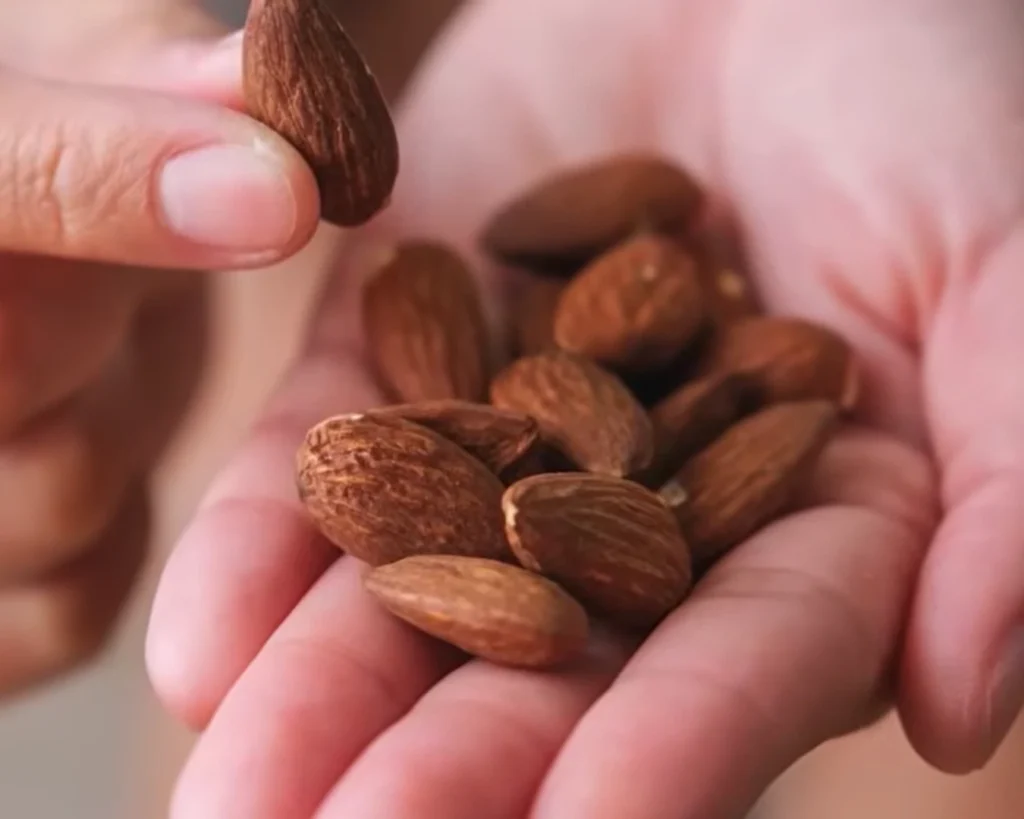
One of the best protein rich superfoods is Almond. It have been cultivated since 3000 B. C. E and are noted in ancient texts as a food that provides nourishment and strength. They were used in trade, given as wedding gifts, and consumed by travelers for energy during long journeys. A quarter cup of almonds offers 7 grams of protein, as well as vitamin E, magnesium, and riboflavin, which are important for muscle function and recovery.
Magnesium and protein work together to support leg strength, while vitamin E acts as an antioxidant that protects muscle cell membranes from damage during physical activity. This protection helps muscles recover faster from exercise. Riboflavin, or vitamin B2, is crucial for energy metabolism, aiding in the conversion of proteins, fats, and carbohydrates into ATP for muscle contractions. This is especially beneficial for older adults, whose metabolism can slow with age.
Research shows that eating almonds can reduce oxidative stress and muscle damage after exercise, promoting quicker recovery. A small handful, around 23 nuts, provides these benefits. Almonds can be eaten raw, lightly toasted, or added to grain bowls and salads, making them a top snack choice for active individuals.
2) Pistachio
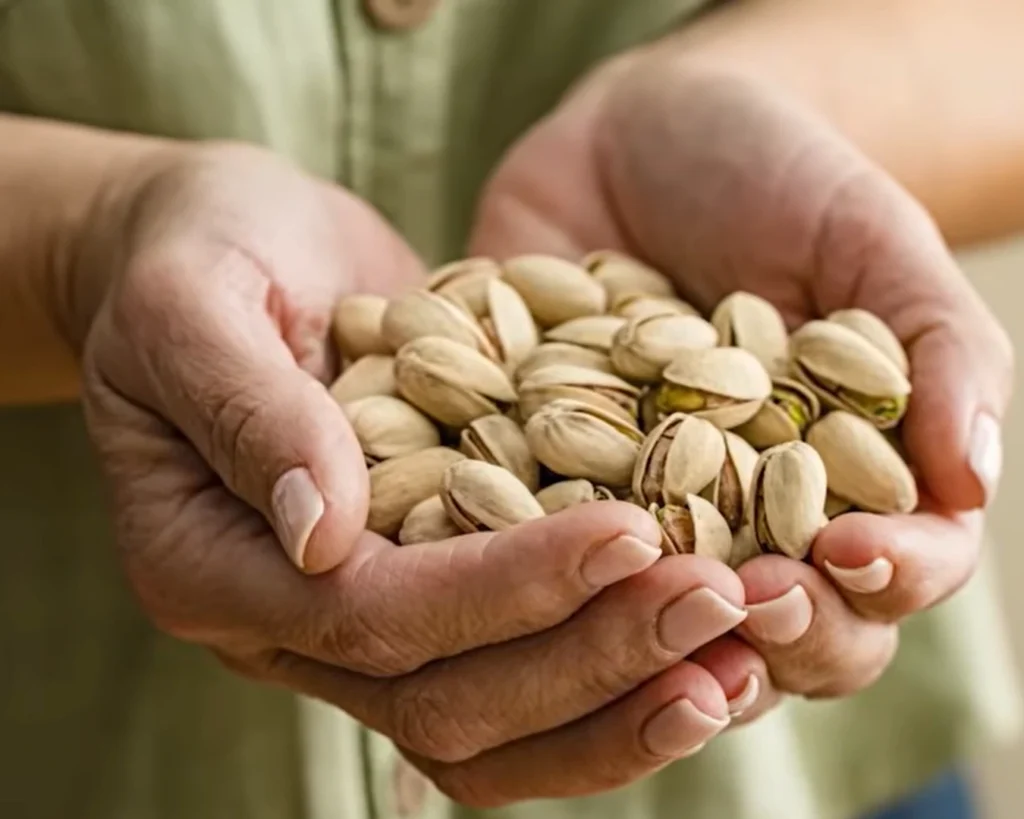
One of the best protein rich superfoods is Pistachio, is highly nutritious nuts that provide a lot of benefits relative to their calorie count. A typical serving of 1 ounce, or about 49 pistachios, contains 6 grams of protein, making them the highest protein nut available per nut count. They are also rich in important nutrients like potassium, phosphorus, B6, and antioxidants such as lutein and zeaxanthin.
Older adults may particularly benefit from pistachios due to their high leucine content, which is essential for muscle protein synthesis. Studies have shown that the protein from pistachios can stimulate muscle protein synthesis similarly to egg white protein, surprising researchers who thought animal proteins were much superior.
Historically, pistachios have been cultivated since at least 6,000 B. C. E. They were once considered luxury items in ancient Persia, the Middle East, and Mediterranean cultures, often given as gifts and traded between royalty. Today, pistachios are affordable and easy to find. Eating pistachios in their shells can slow down eating and help with fullness signals. Research indicates that people consume fewer calories from shelled pistachios than from pre-shelled ones. Enjoying a handful as a snack or mixed into foods like trail mix or Greek yogurt offers complete protein and minerals beneficial for leg strength.
1) Soy Milk
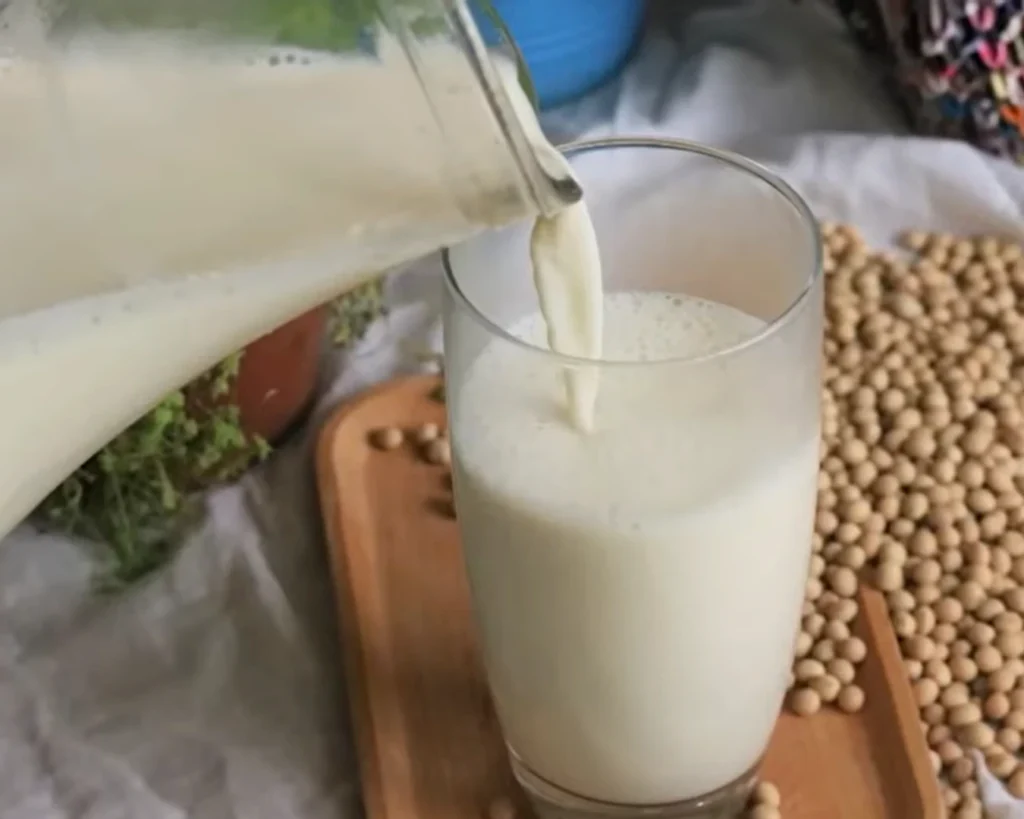
One of the best protein rich superfoods is Soy Milk, is a unique plant-based milk option that is high in protein. One cup of fortified soy milk contains seven to eight grams of complete protein, which includes all nine essential amino acids. Research shows that the body can use soy protein similarly to cow’s milk protein, making it beneficial for muscle maintenance in older adults.
This is especially important for those with lower appetites or dental issues, as liquids can be easier to consume than solid food. Soy milk can be added to various meals like oatmeal, smoothies, and teas, ensuring a steady protein intake throughout the day without needing larger meal portions.
In addition to protein, fortified soy milk usually provides calcium and vitamin D, which are essential for maintaining bone density in the legs, hips, and spine. Strong bones support muscle function and movement. Soy has been a staple in East Asian diets for over 2,000 years, showing that traditional cultures thrive on plant-based diets that include various forms of soy. Thus, soy milk is not just a replacement; it’s an ancient food adapted for modern use, providing vital nutrients.
List Of Protein Rich Superfoods
Top5 Dangerous Events That Could Destroy Earth
Mobility Reset Method: Reversing Chronic Joint Pain in 21 Days at Home