
There are various types of coffee and ways to make coffee, but most people know to just two or three kinds. The article will explain some famous coffee and it’s methods, their origins, ingredients. So let’s begin.
5) Drip Coffee

One of the types of coffee is Drip Coffee, is a popular beverage, with 73% of Americans drinking it daily. Its origins trace back to 1908, when a German mother named Melitta Bence sought to eliminate the grounds and bitter taste in coffee. She innovated by using a piece of blotting paper from her son’s notebook to filter the coffee, creating a cleaner brew. She filed a patent that year, leading to the start of her company, Melitta, which is still operational today.
For much of the 20th century, Americans used percolators, which brewed coffee by cycling boiling water through the grounds. This method often resulted in bitter coffee. In 1972, Cleveland businessman Vincent Marota introduced Mr. Coffee, the first automatic drip machine for home use, thanks to the help of two former engineers. Joe Deaggio became a notable figure in its advertisements, and within a few years, the Mr. Coffee appliances were present in half of American households, leading to the decline of the percolator.
Additionally, paper filters used in drip coffee remove certain compounds that can raise cholesterol levels, making drip coffee a healthier choice compared to French press or Turkish coffee.
4) Caffè Latte
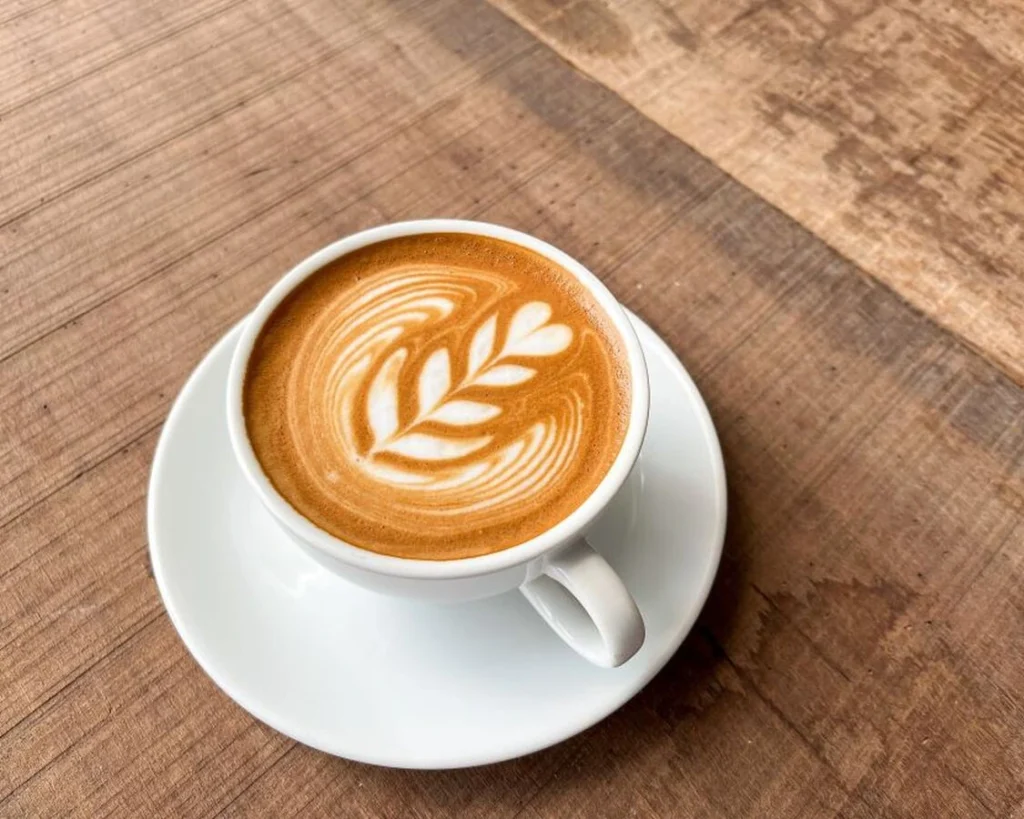
One of the types of coffee is Caffè Latte, made with coffee and milk, is not an Italian abbreviation but instead a drink adapted for American tastes. Tourists found Espresso too bitter, so baristas in tourist-heavy areas began adding steamed milk to make it more palatable. This drink didn’t have a standard name until the early 1980s when coffee shops in Seattle started to define and popularize it, introducing steaming techniques and larger cups with flavored syrups.
As Starbucks expanded nationally, the latte became the common coffee drink in America, often customized and used for flavors like vanilla and caramel. A traditional latte consists of one part espresso to two parts steamed milk, topped with a thin layer of foam, making it the most popular espresso-based drink due to its gentle flavor. Additionally, David Schmer, a Seattle barista, developed latte art during this time, turning the pouring process into a visual technique. Now, designs like leaves or hearts on lattes are seen as a standard of quality.
3) Caffè Mocha
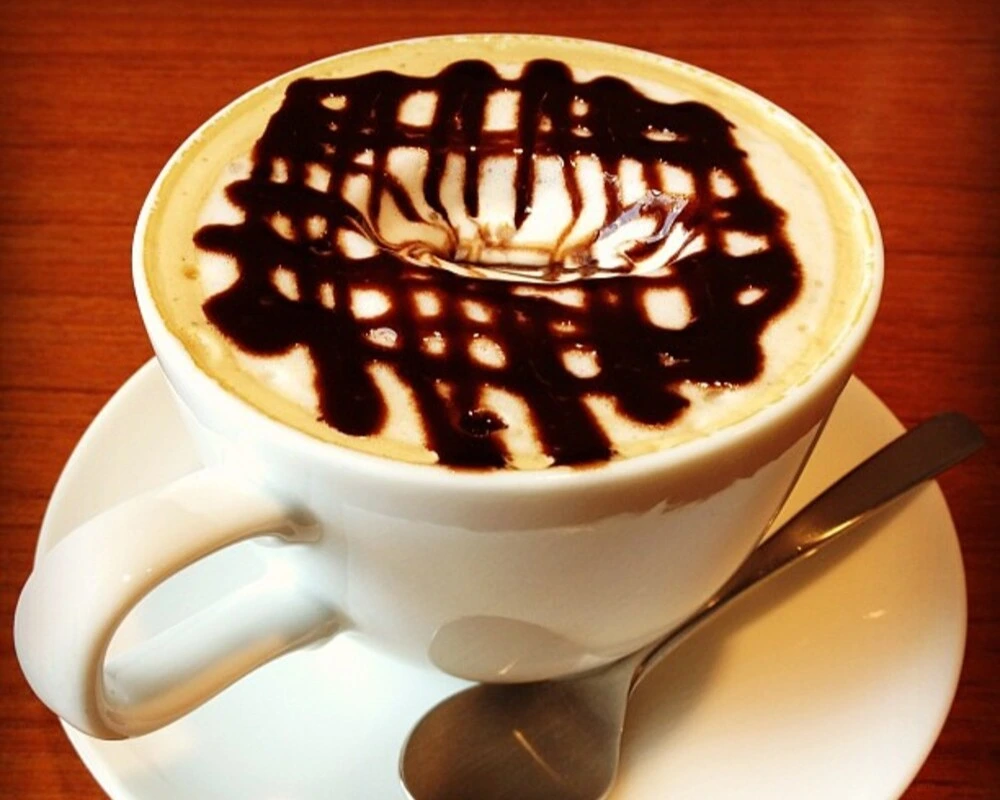
One of the types of coffee is Caffè Mocha, is named after a port city in Yemen called al mocha and is not originally linked to chocolate. From the 15th to the 17th centuries, nearly all coffee traded worldwide came through Mocha, controlled by the Ottoman Empire, which restricted the export of coffee plants and seeds. This monopoly lasted about 200 years, meaning that any coffee consumed globally originated from this Yemen port.
The Dutch broke the monopoly in the late 1600s by smuggling out a live coffee plant and cultivating it in Java. Following this, coffee quickly spread to the Caribbean and South America, and by the time of the French Revolution, 80% of the world’s coffee was grown in the Americas. Despite this, the term mocha had already become associated with high-quality coffee.
The chocolate connection came later as mocha beans naturally have a chocolate flavor. In the 17th century, an Italian drink called bicherin combined coffee, chocolate, and cream, linking mocha to chocolate. The Bleti mocha pot, created in 1933, shares its name with the port, demonstrating mocha’s global influence in coffee and flavor descriptions.
2) Turkish Coffee
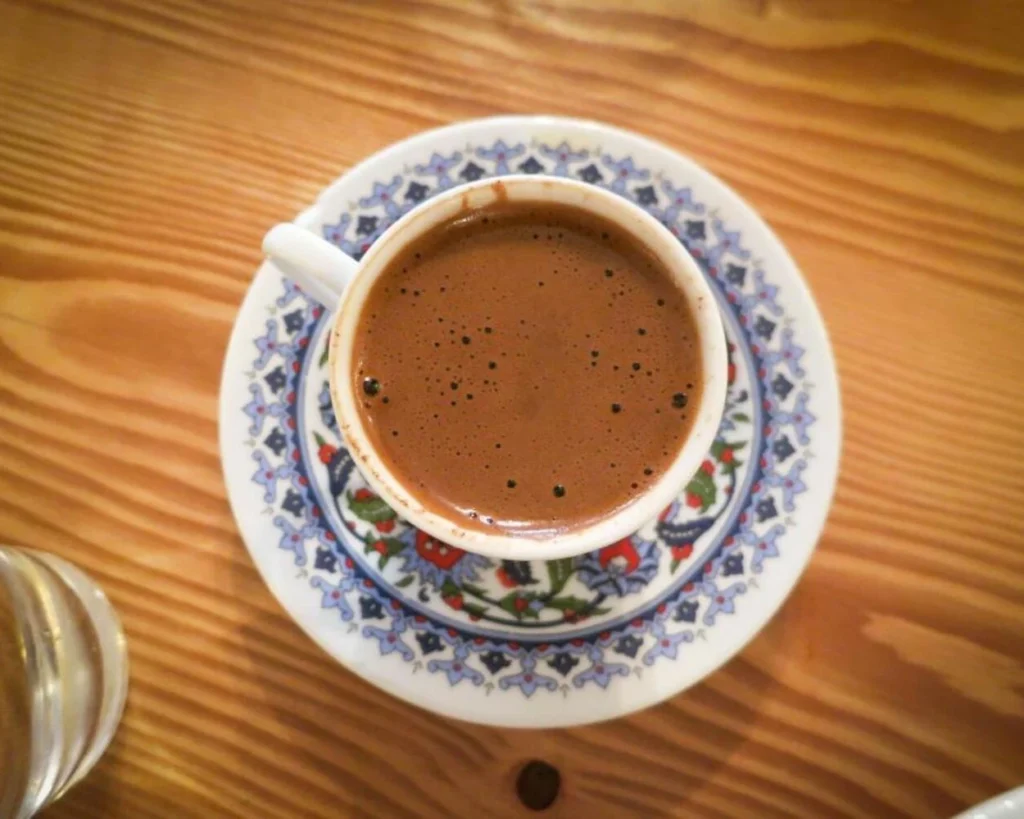
One of the types of coffee is Turkish Coffee, is made using a traditional method that does not require filters, machines, or pressure systems. The coffee is finely ground to a powder, even finer than espresso, and mixed with cold water and sometimes sugar in a small copper or brass pot called a seesve. The pot is heated directly over a flame until it foams and almost boils over, then allowed to settle before being heated again. This process is repeated two or three times before being poured into a small cup, leaving the grounds at the bottom, which are not consumed.
Coffee was introduced to Istanbul in 1539, following the Ottoman Empire’s control of Yemen. Within 15 years, the first coffee houses, known as Kafahani, opened, becoming popular spaces for conversation, games, music, and politics. In the 17th century, Sultan Murad IV banned coffee, threatening death as a punishment, but the ban failed, and coffee houses continued to thrive. In 2013, UNESCO recognized Turkish coffee as intangible cultural heritage. After drinking, people often invert the cup to read the grounds left behind, a practice considered a skill rather than superstition in some cultures.
1) Flat White
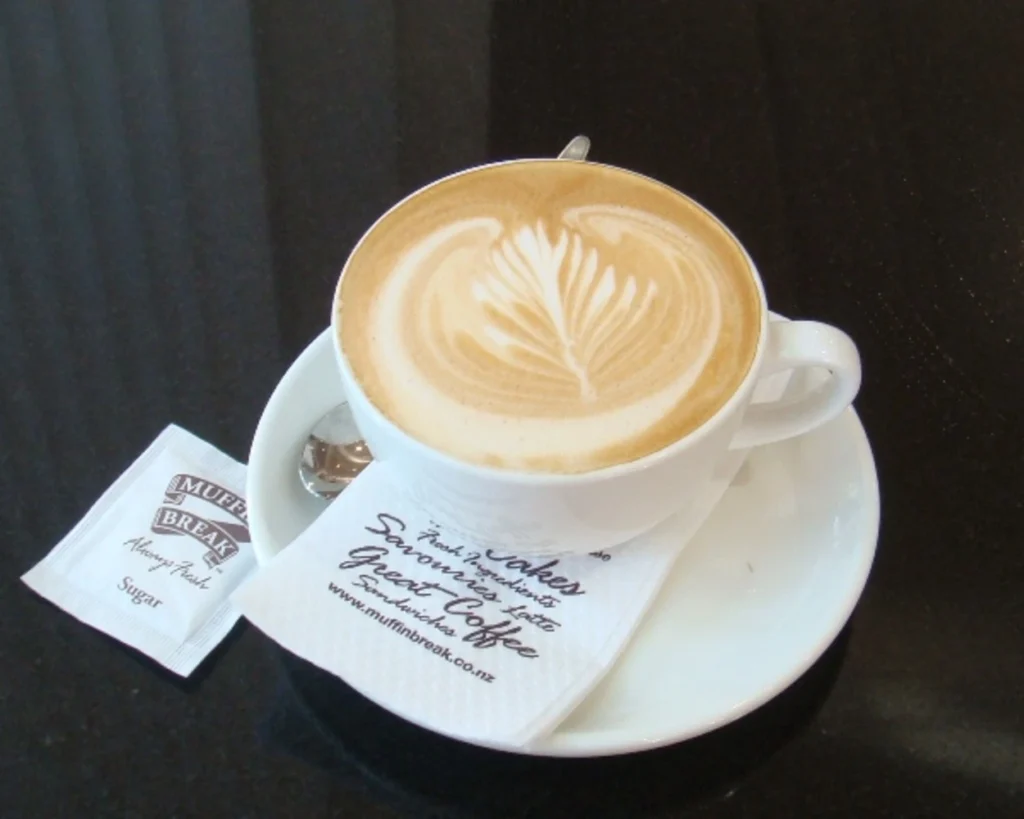
One of the types of coffee is Flat White. Australia and New Zealand have been in a disagreement for 40 years over who invented the flat white coffee. Allan Preston from Australia claims he was serving something called white coffee flat in his café since the 1960s and named it formally in 1985. In New Zealand, a barista named Fraser McInnis says he created it by accident in 1989 when the milk for a cappuccino didn’t foam properly, and a customer enjoyed the result. The term “flat white” was found in British publications as early as 1963.
Although the exact origin remains unclear, Starbucks introduced the flat white to American customers on January 6, 2015. Hugh Jackman helped promote it through his Australian coffee shop in New York City. The flat white is now one of the fastest-growing coffee drinks in the U. S. It differs from a latte not just in size; it is smaller, about 150 ml compared to 240 ml, and uses microfoam instead of thick froth, allowing the espresso flavor to stand out more.