
In this article we will discuss some of the creatine rich superfoods. Our body produces a powerful performance-enhancing substance called creatine, which is made from amino acids like arginine, glycine, and methionine. These amino acids can be found in various plants, particularly in seeds, legumes, and ancient grains that humans have used for thousands of years. So let’s know.
5) Peanut
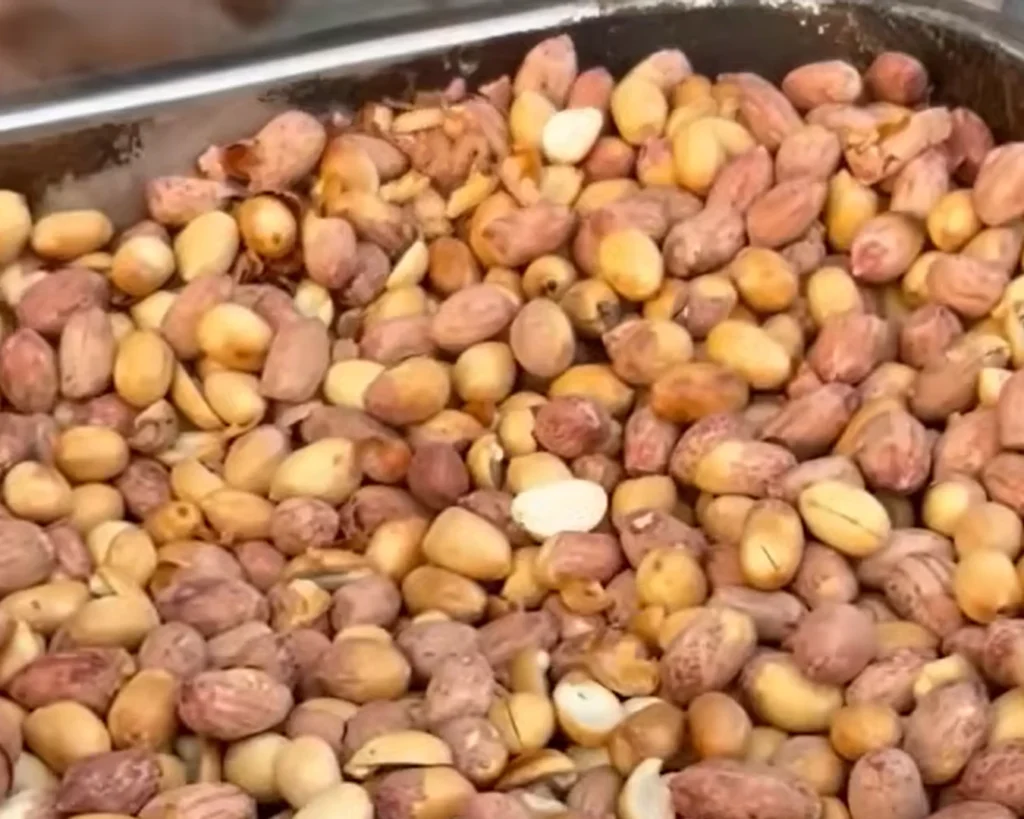
Peanut is one of the creatine rich superfoods that supports creatine production in the body. Historically, they have been used as a key energy source by various cultures in South America, Africa, and Asia. In these regions, peanuts served as a significant protein and energy food, and traditional Chinese medicine considered them beneficial for blood nourishment and energy.
Peanuts are rich in arginine, an amino acid essential for the synthesis of creatine. The body produces creatine through a process that involves arginine and glycine, which combine to form a precursor in the kidneys. This precursor then moves to the liver to become creatine. Peanuts contain about 3.1 grams of arginine per 100 grams, making them one of the best sources of this amino acid.
Research shows that sufficient arginine intake is important for creatine biosynthesis, especially for those with low dietary creatine, like many plant-based eaters. Additionally, peanuts offer healthy fats, vitamin E, and magnesium, which are vital for energy and muscle protection during physical activities. To gain the benefits, peanuts can be eaten whole, in natural peanut butter, or added to various dishes consistently.
4) Tofu
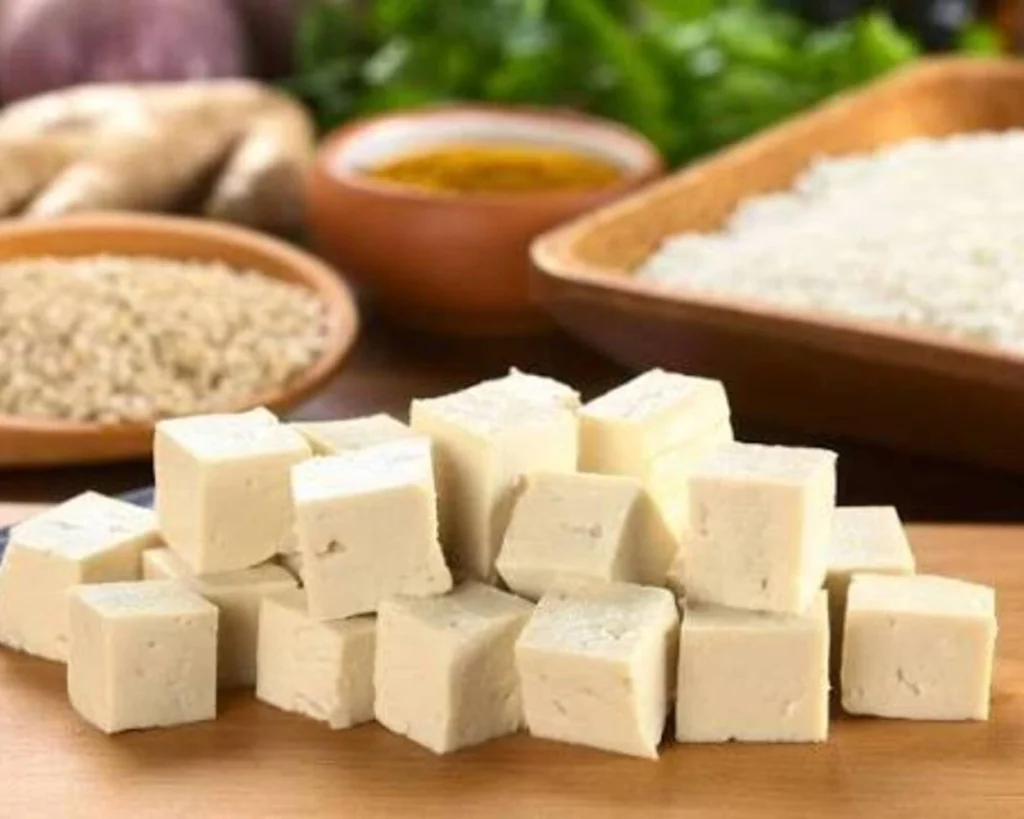
Tofu is a highly nutritious and complete protein source that many people in the West underestimate. It is often seen as bland and a last-resort food, but this view is misleading and harmful to nutrition. Tofu has been a vital part of diets in East Asia for over 2,000 years, where it is viewed as a beneficial food that supports kidney function, energy levels, and muscle health. The Okinawan population, known for their high number of centenarians, consumed tofu daily, highlighting its health benefits.
Tofu is made from soybeans, which provide all three amino acids needed for creatine production: arginine, glycine, and methionine. It is one of the creatine rich superfoods that offers a complete amino acid profile. Research shows that Tofu can effectively support muscle growth when taken in the right amounts. A half-cup of tofu contains about 10 grams of complete protein along with calcium, iron, and isoflavones that help reduce muscle damage and inflammation after exercise.
Tofu can be made flavorful by pressing it firmly, marinating it, and roasting it. Those who dislike tofu may not have learned to prepare it well, missing out on its valuable nutritional benefits. How To Cook Tofu
3) Pumpkin Seed
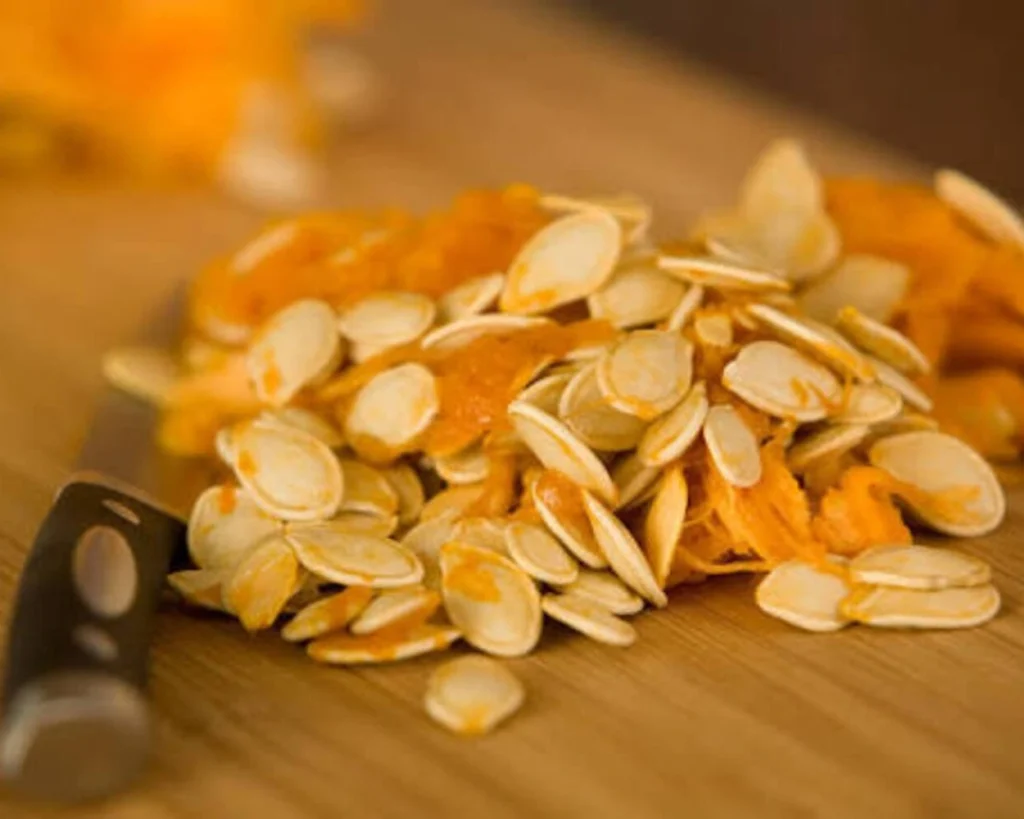
Pumpkin seeds are a highly beneficial food for supporting creatine production. They are unique because they contain everything needed for creatine biosynthesis. Historically, Aztec and Mesoamerican cultures used pumpkin seeds for food and medicine, recognizing their energy-boosting properties. In Mexican folk medicine, they were used for kidney support, which is where the first step of creatine synthesis occurs.
Pumpkin seed is one of the creatine rich superfoods that supports creatine production, and they also provide glycine, another necessary amino acid. Additionally, they are an excellent source of magnesium, needed for ATP production, which creatine fuels, and zinc, which is essential for protein synthesis and muscle repair. A 28-gram serving of pumpkin seeds delivers 150 mg of magnesium, nearly 40% of the daily recommended intake, along with 2.2 mg of zinc and over 8 grams of complete protein.
Research indicates that magnesium levels are linked to muscle performance and recovery. Many people today have magnesium deficiencies, which can affect athletic performance. Pumpkin seeds help improve both magnesium status and creatine supply. They can be easily added to salads, soups, grain bowls, and smoothies, or enjoyed as a snack. Make pumpkin seed butter as a nutritious alternative to peanut butter and focus on including this seed in your diet.
2) Soybean
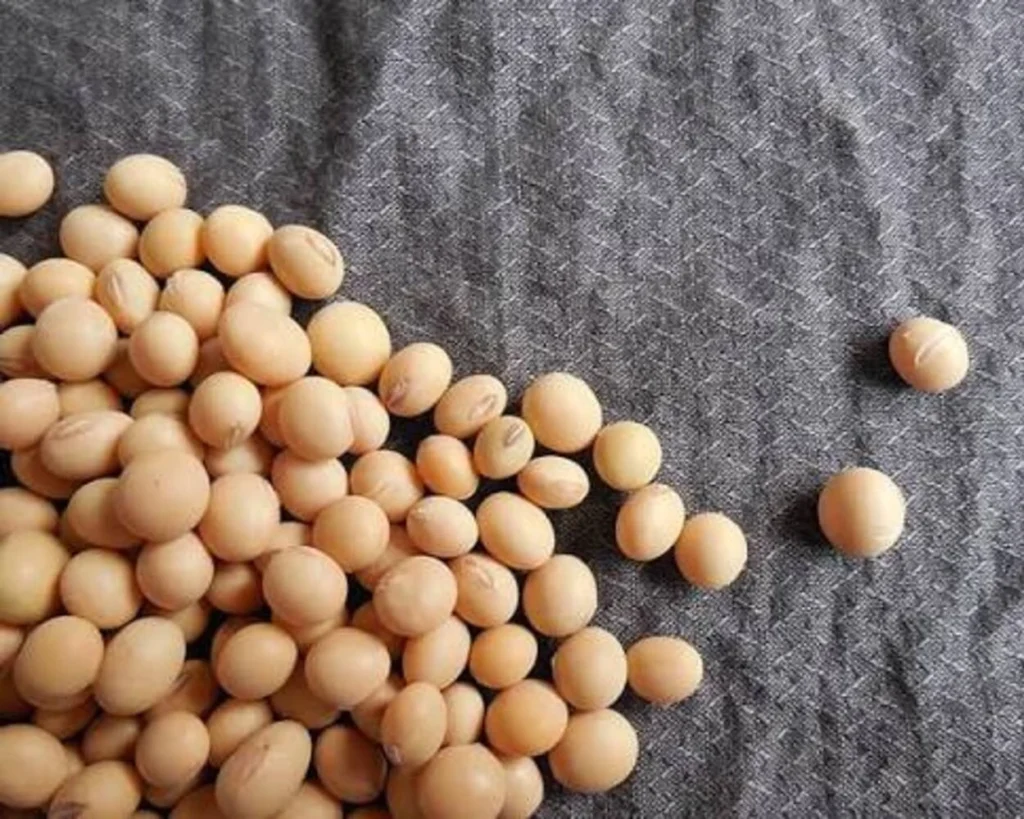
Soybean is highly nutritious and is considered the best source of protein. When cooked whole, they offer a complete range of nutrients and have a strong link to creatine production. These beans have been grown in East Asia for over 5,000 years and were once seen as one of the five sacred grains in traditional Chinese medicine, vital for health and longevity. Daoist monks relied on soybeans for protein to enhance physical strength and mental focus during meditation and training.
Soybean is one of the creatine rich superfoods. Biochemically, soybeans support creatine synthesis because they contain the necessary amino acids, including significant amounts of arginine, glycine, and methionine. A cup of cooked soybeans provides around 29 grams of protein, which surpasses many meat sources. Research shows that soy protein can increase muscle mass just as effectively as whey protein during resistance training.
Additionally, soybeans are rich in iron, calcium, and vitamin K2, which are important for bone health and muscle performance. They can be cooked similarly to other beans and can be added to soups, grain bowls, and stews, reflecting how they have been used in East Asian cultures for thousands of years.
1) Spirulina
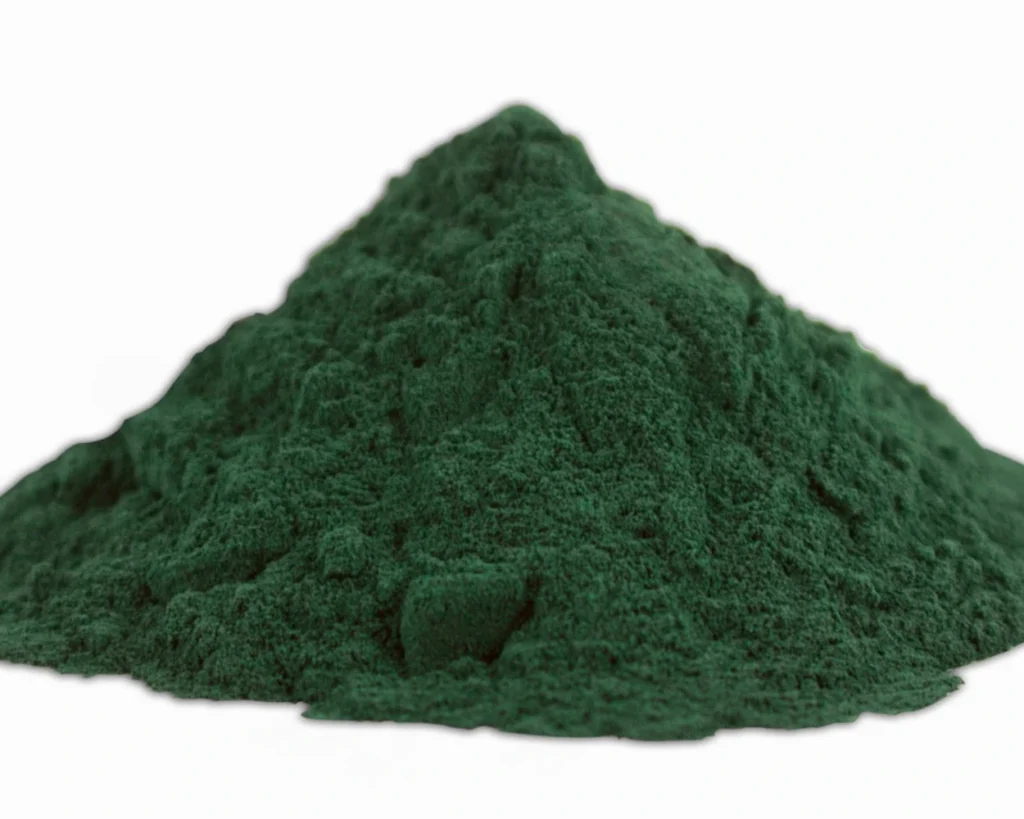
Spirulina is a highly protein-dense food, distinct from other food groups as it is not a plant, grain, legume, or seed, but a cyanobacterium, a tiny photosynthetic organism found in freshwater. It is considered one of the most nutritionally concentrated foods available. Historically, the Aztecs harvested spirulina from Lake Texoko and consumed it in dried cakes, providing sustenance for runners, warriors, and laborers.
Similarly, communities around Lake Chad in Africa used spirulina as a key protein source to support survival in challenging environments. This shows how two different civilizations recognized the value of spirulina independently due to its observable benefits.
Spirulina is one of the creatine rich superfoods. Modern analysis reveals that spirulina is around 60 to 70% protein by dry weight, which is higher than any meat, legume, or seed. This protein contains all nine essential amino acids, including arginine, glycine, and methionine, crucial for creatine synthesis. The protein in spirulina has a high bioavailability rate of 83 to 85%, meaning that the body effectively absorbs and uses it better than most other protein sources.
Besides protein, spirulina contains ficoyanin, a blue pigment with powerful antioxidant and anti-inflammatory properties that help reduce muscle damage and speed up recovery. Research has shown that spirulina enhances endurance and reduces oxidative stress from exercise.
Spirulina is also a good source of highly bioavailable iron, B vitamins, and chlorophyll, which aid in oxygen transport and energy production for physical activities. Adding a teaspoon of spirulina to your morning smoothie can be beneficial, even though its flavor is strong. Blending it with fruits can make it more palatable. This organism has ancient roots and has provided nourishment across civilizations and time.
List Of Creatine Rich Superfoods
ProstaVive:The Most Potent,Fast-Acting Formula for Prostate Health & Strong Flow