
In this article we will explore some of the amazing salmon facts. Salmon are remarkable animals known for their incredible survival skills. They are not just ordinary fish but long-distance navigators and champions of endurance, playing crucial roles in ecosystems. The article highlighting their complexity, power, and significance. Each fact will reveal more about their impressive navigation abilities and dramatic life cycle, uncovering layers of their survival story. Let’s dive in.
5) Return Ability
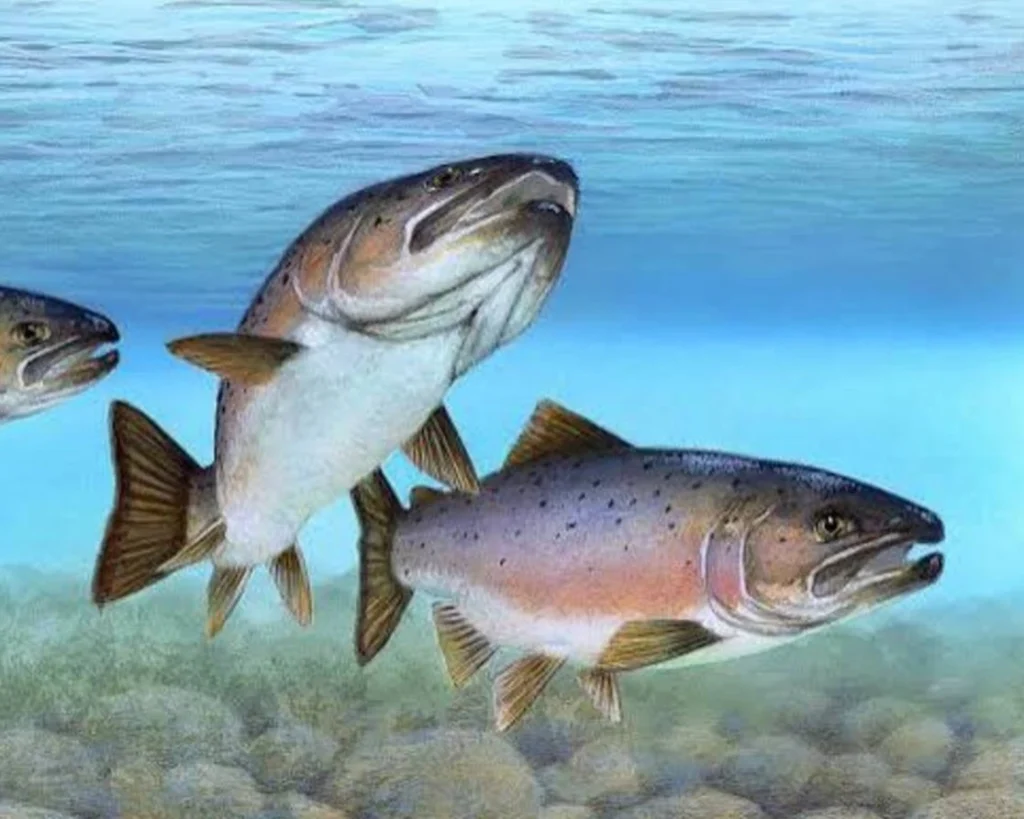
One of the amazing salmon facts is that Salmon have a remarkable ability to return to the exact river or stream where they were born, a behavior called natal homing. This journey can involve traveling thousands of miles in the ocean. Scientists think they navigate using Earth’s magnetic field and their exceptional sense of smell. As young salmon, they memorize the unique chemical signature of their home waters before going to sea. Years later, this memory helps them find their way back with remarkable accuracy.
Interestingly, many salmon not only return to the same river system but also to the exact tributary or stream where they hatched. This high level of precision is uncommon among animals and shows how well-developed their senses are.
4) Changing Color
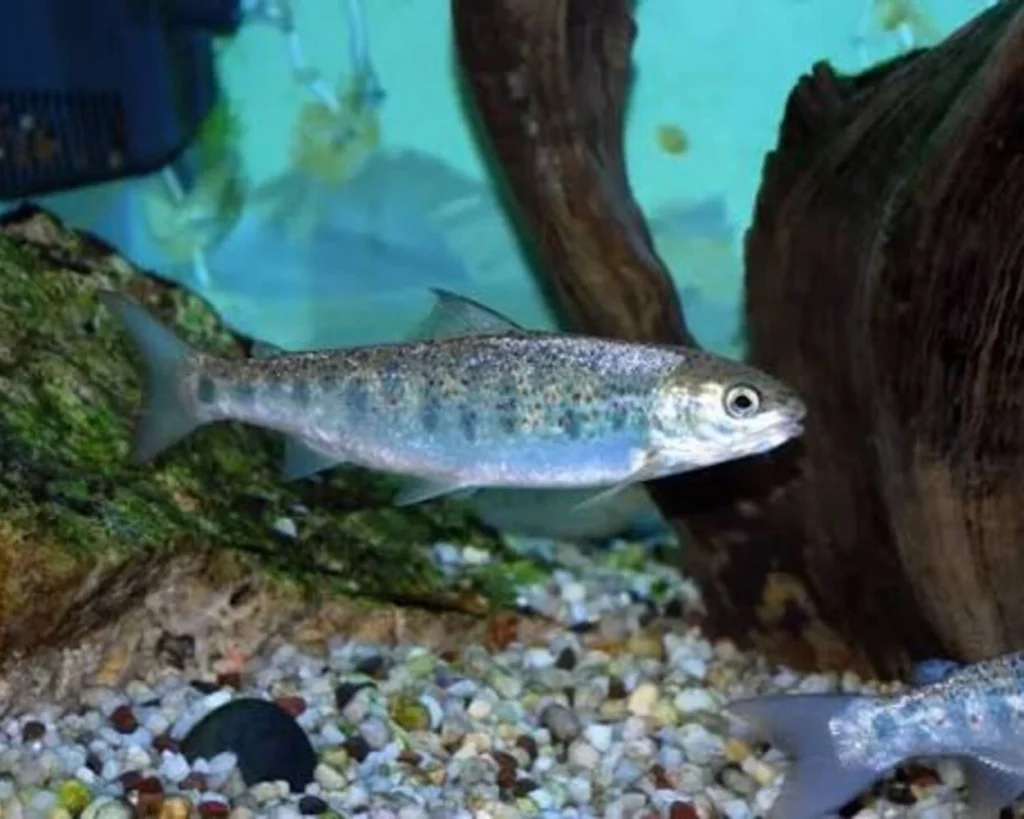
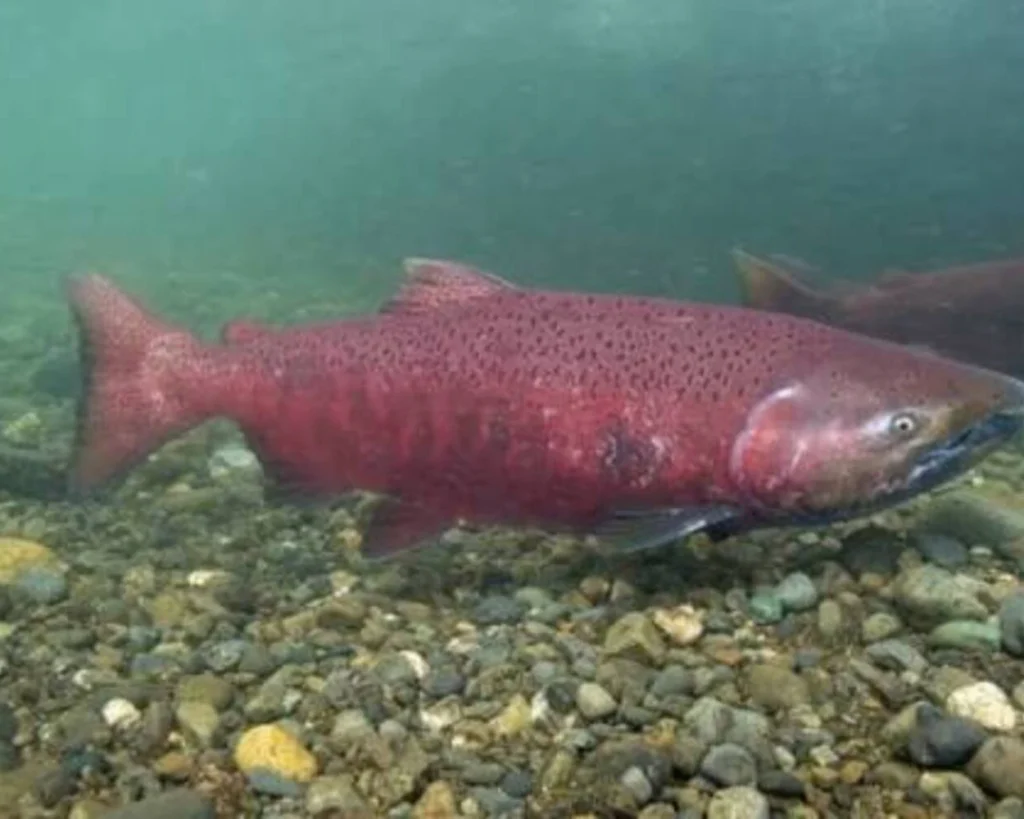
One of the amazing salmon facts is that Salmon can change color dramatically during spawning. As they get ready for their journey back to freshwater, their appearance shifts from sleek silver to bright colors, resembling weird-looking creatures. This change is especially noticeable in species like Sakai and related Pacific salmon, which can turn shades of red, maroon, or dark olive green depending on their species and environment.
Males usually experience more drastic changes than females, growing hooked jaws called kypes and larger bodies. These color changes are linked to reproduction and triggered by hormonal shifts. As salmon stop eating and focus on spawning, their bodies break down muscle tissue for energy, leading to a weakened but determined state during migration.
3) GPS System
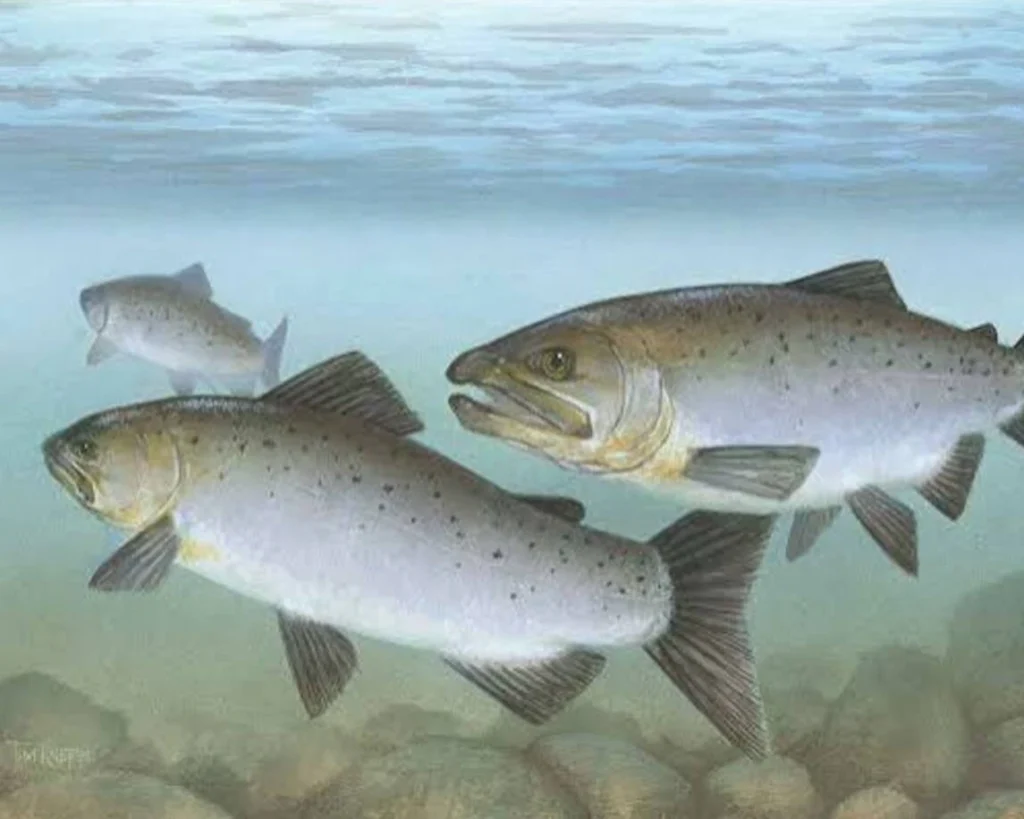
One of the amazing salmon facts is that Salmon navigate using Earth’s magnetic field, which acts like a built-in GPS during their long migrations. This advanced natural system allows them to stay on course for thousands of kilometers over open waters where there are no landmarks. This magnetic sense is crucial when they are far from their home rivers. As they get closer to land, salmon switch to using their sense of smell, which helps them detect tiny chemical differences in the water. This sense guides them back to the exact river they left years earlier.
2) Energy
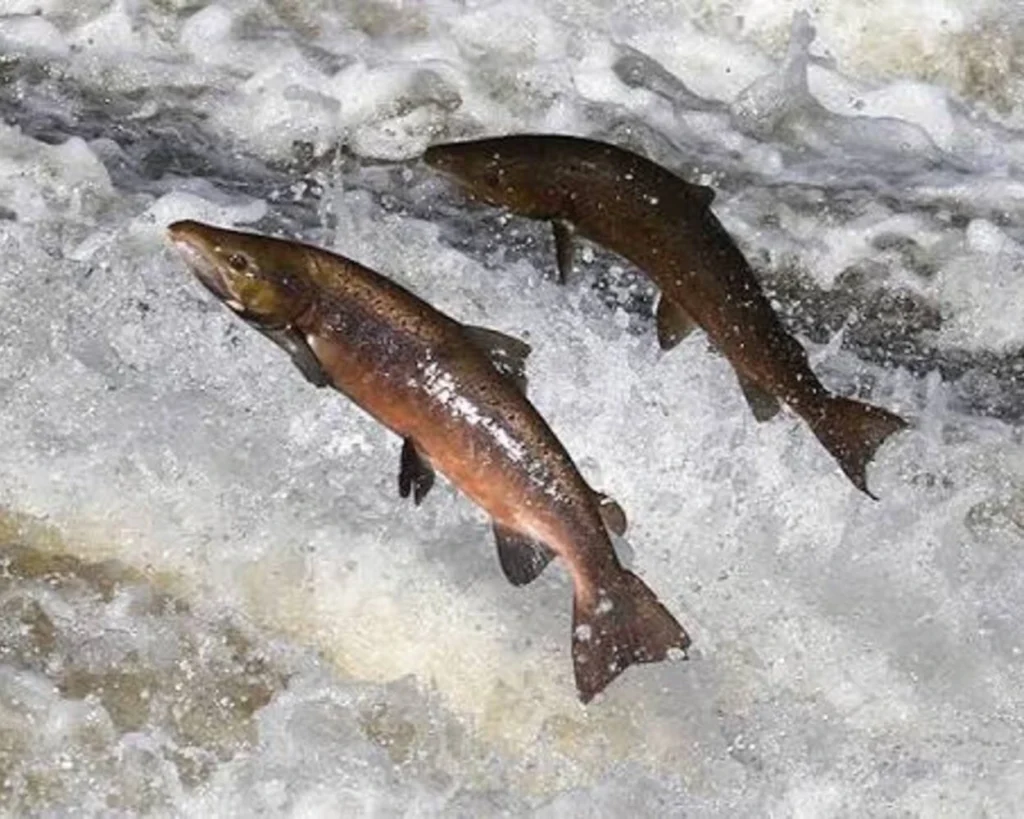
One of the amazing salmon facts is that Salmon completely stop eating during their migration back to freshwater. Once they leave the ocean and enter rivers, their digestive system begins to shut down. Instead of feeding, they rely on stored energy from their time in the ocean. Their bodies consume their own muscle and fat reserves to support their journey upstream.
This means that every movement is vital since they cannot regain energy from food. Even though salmon do not eat for weeks or months, they continue to swim, leap, and fight strong currents. Their actions are mainly driven by instinct and reproduction rather than traditional survival needs.
1) Life
One of the amazing salmon facts is that Salmon are very sensitive to changes in water temperature and pollution, which can greatly affect their survival. Even small changes in river conditions can have significant impacts. Warm water is especially harmful because it lowers oxygen levels. Salmon need cold, oxygen-rich water to survive, particularly during their upstream migration when they need more energy.
If water is too warm, salmon may exhaust themselves or die before they spawn. Pollution from chemicals, agricultural runoff, and industrial waste also threatens salmon by harming their sense of smell, which is crucial for navigation. Without proper chemical cues, salmon may get lost and not reach their birthplace.