
In this article we will explore some of the interesting facts about daisy flower highlighting why they are more extraordinary than they appear. Daisies are well-known flowers with bright white petals and yellow centers, representing innocence, happiness, and new beginnings. They grow in various places, including gardens, meadows, and harsh environments. Daisies have more to them than just their looks, including interesting adaptations and a rich cultural history. So let’s know.
5) Not A Single Flower
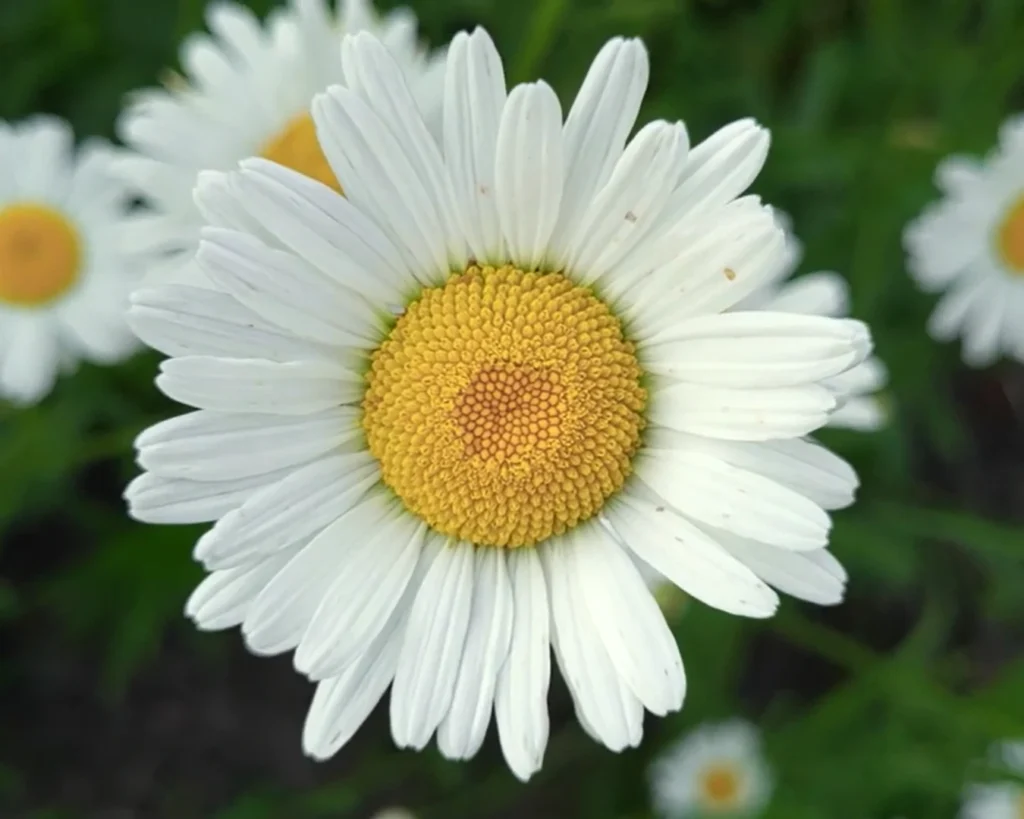
One of the interesting facts about daisy flower is that a daisy is actually a collection of hundreds of tiny flowers, not just one single bloom. This collection is called a flower head or an inflorescence. The yellow center of a daisy consists of many tiny flowers known as disc florits, which can produce seeds. Surrounding these are petal-like structures called ray florits, which attract pollinators. This arrangement helps daisies appear larger and more attractive to insects.
Instead of visiting numerous tiny flowers, pollinators can land on one large flower head and pollinate many florits at the same time. This clever design increases the chances of reproduction for daisies and creates the beautiful blooms that are admired around the world.
4) Found Everywhere
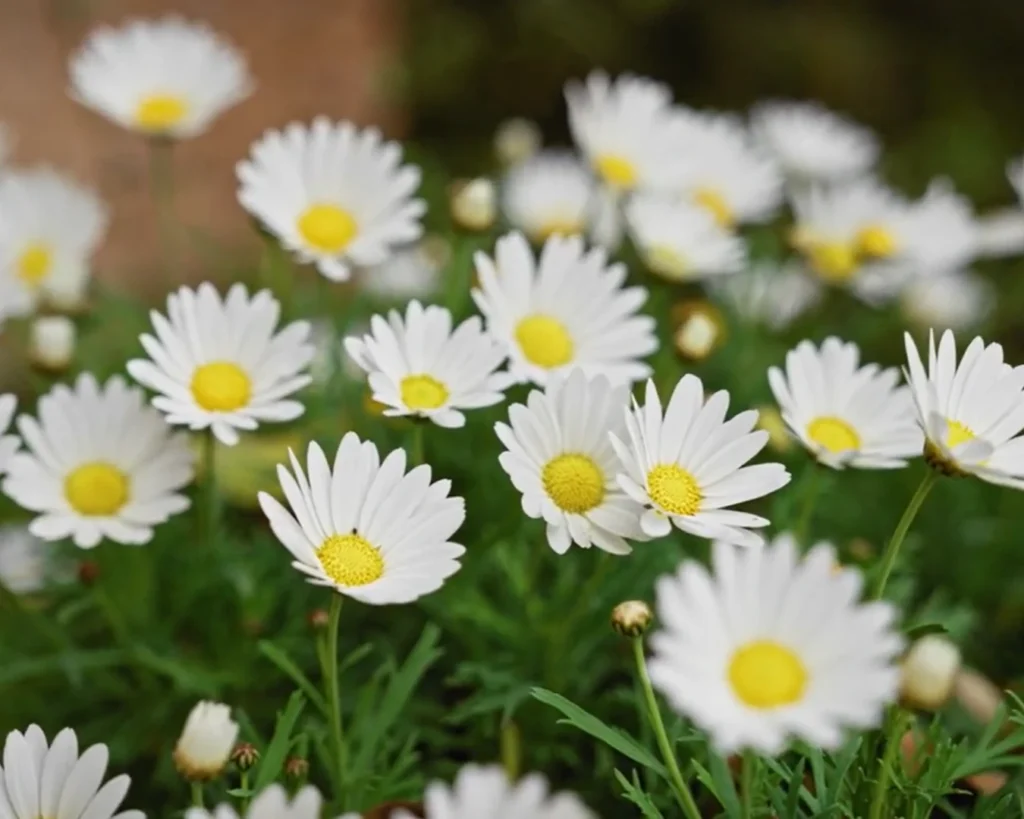
One of the interesting facts about daisy flower is that Daisies are found almost everywhere and belong to the aster family, which includes many species across nearly every continent. They thrive in various environments, such as grassy meadows, mountains, deserts, and coastal areas. Some species do well in cool climates, while others prefer warm and dry conditions. Daisies adapt well due to their efficient seed production and ability to grow in different soil types.
Many species can quickly occupy open spaces and disturbed land, aiding in their spread. This resilience makes daisies one of the most common and recognizable flowering plants worldwide.
3) Meaning Of Name
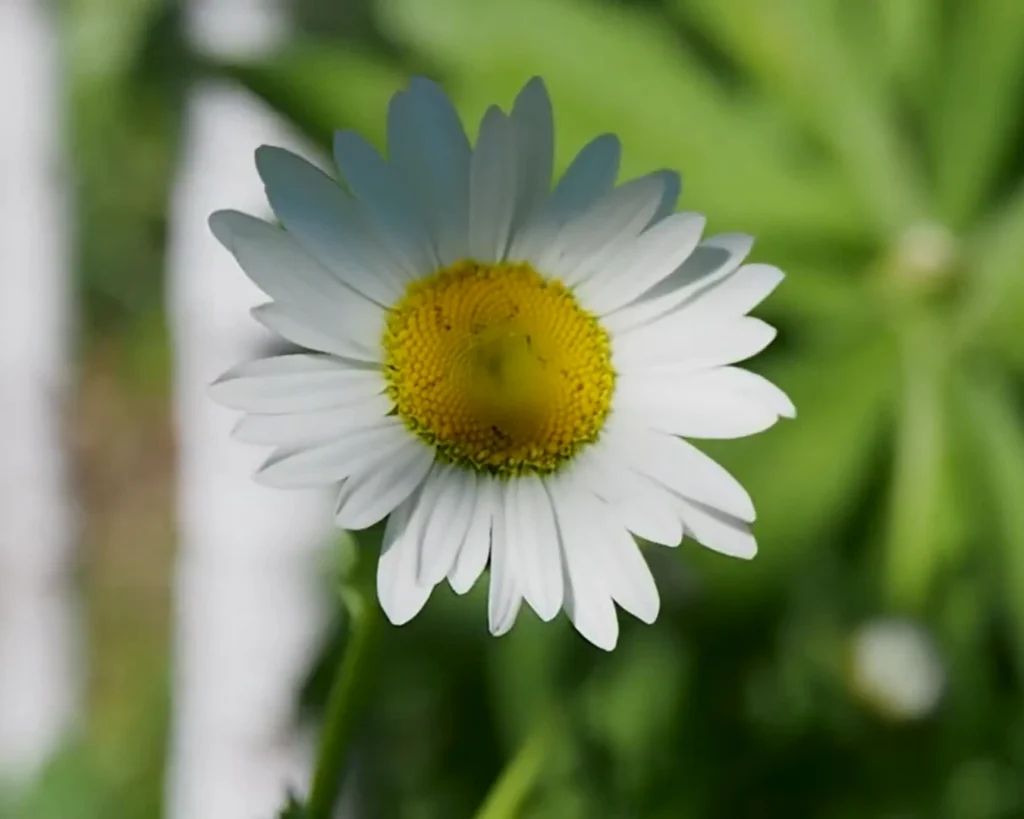
One of the interesting facts about daisy flower is that the name Daisy means “day’s eye,” with roots in Old English. The flower was named for its unique behavior of opening in the morning and closing in the evening or on cloudy days. This daily pattern resembles an eye opening during the day and shutting at night. Early observers found this connection so striking that it led to the name we still use today. This relationship between nature and language has lasted for hundreds of years, making the daisy one of the few flowers whose name directly reflects its daily routine.
2) Symbolism
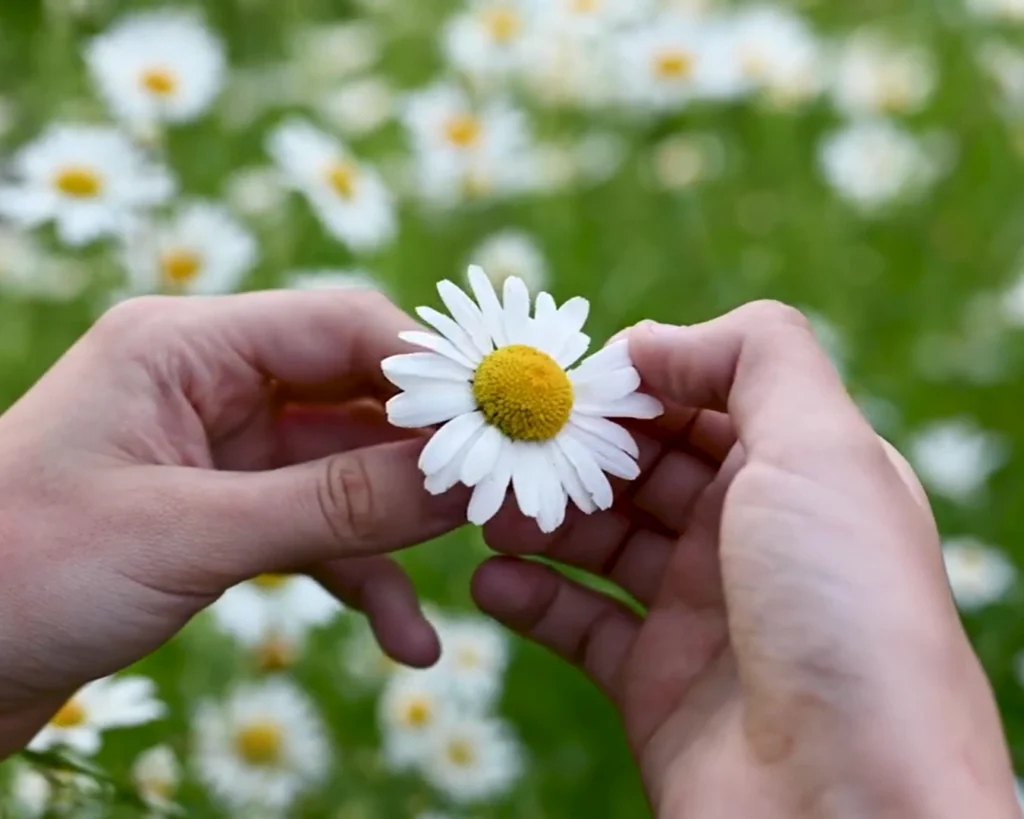
One of the interesting facts about daisy flower is that Daisies have symbolized love and innocence for centuries. They represent purity, loyalty, and true love across various cultures. Ancient civilizations valued their simple beauty and strength. Artists and poets have included daisies in their works, celebrating themes of youth and happiness.
A popular tradition is the childhood game of plucking petals while saying, “Loves me, loves me not,” which is linked to romance. Today, daisies are favored flowers for weddings, celebrations, and gardens, as they continue to symbolize optimism and new beginnings.
1) Seeds Production
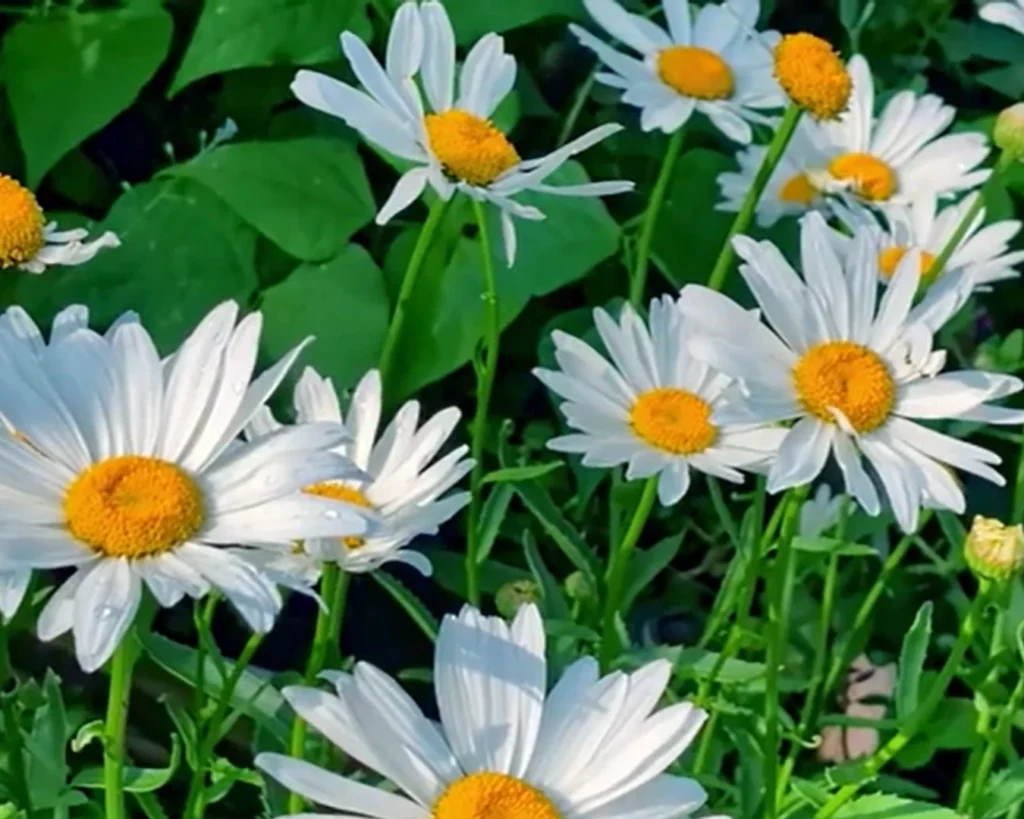
One of the interesting facts about daisy flower is that Daisies are very good at producing seeds, which is one reason for their success. Each yellow center of a daisy flower can create many seeds, sometimes dozens or hundreds. After pollination, the seeds mature and are spread by the wind, animals, water, or even humans. Some types of daisies have lightweight seeds that can travel far before settling down.
This effective way of reproducing helps daisies grow quickly in new areas. Even if only a few seeds survive, enough plants usually grow to form strong colonies. Because of their ability to produce seeds, daisies are often among the first flowers to bloom in disturbed places.