
Some of the most profitable plants are not grown on large farms but in small spaces such as 5-gallon buckets, window boxes, and small structures like converted closets. Many successful small-scale growers have been generating significant income with these high-value plants while others continue to plant huge fields of corn and soybeans without good profits.
People often believe they need extensive land, machinery, and workers to earn money from farming. However, there are small, high-demand plants that can be grown in areas as small as a spare bedroom, enabling entrepreneurs to turn them into successful businesses. The article plans to share a list of 5 such plants, highlighting their market value and real demand. So let’s know.
5) Wasabi
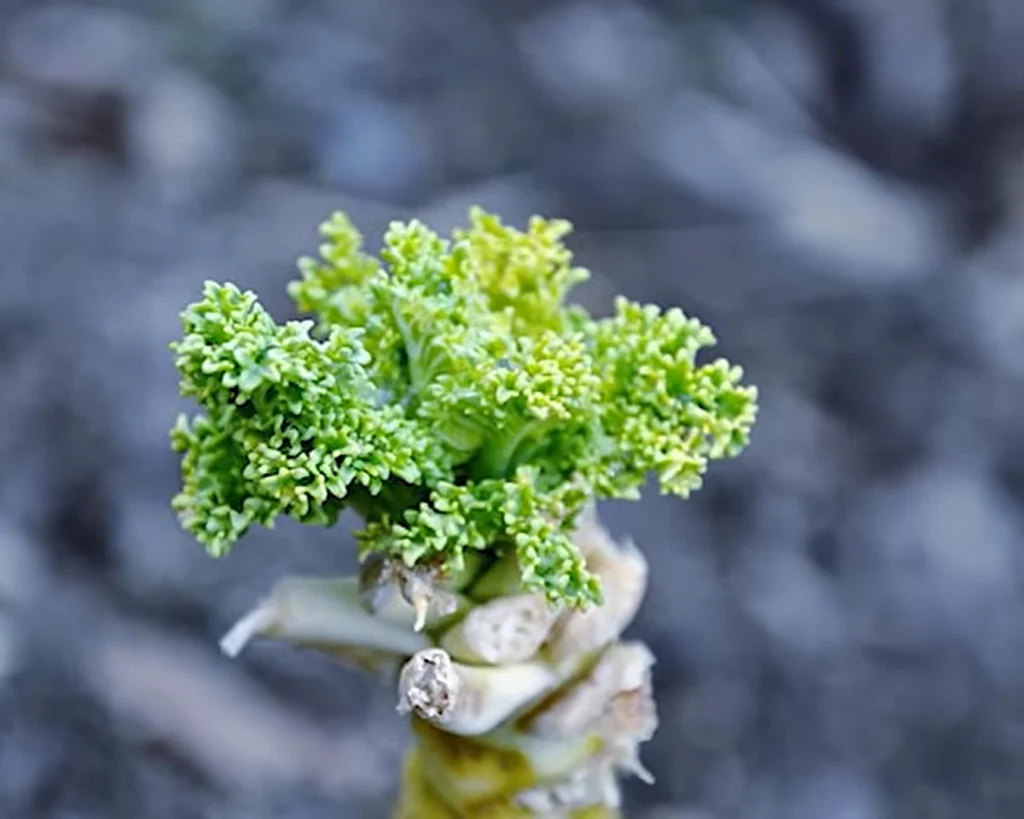
One of the most profitable plants is Wasabi, is a highly sought-after plant in high-end sushi restaurants, with most sushi served in America being dyed horseradish instead of real wasabi. Actual wasabi, known as wasabia japonica, is hard to grow, which is why it fetches high prices—over $100 per pound. The plant requires specific conditions: cool temperatures, consistent moisture, and partial shade.
Despite common beliefs, it does not need a mountain stream; it thrives with consistent care. Some growers have successfully cultivated wasabi in unexpected climates through methods like shaded raised beds and drip irrigation.
The plant’s growth cycle is long, taking 18 months to 2 years to produce a harvestable ryome, which deters many growers. However, every part of the plant can be sold, including its leaves and stems. A well-managed wasabi bed can provide a continuous supply to local restaurants. Many growers have avoided wasabi due to its requirements but may not realize that after 18 months of maintenance, the rewards are substantial. Chefs desire real wasabi to offer authenticity on their menus, instead of the common substitute found in many dishes.
4) Radish Microgreen
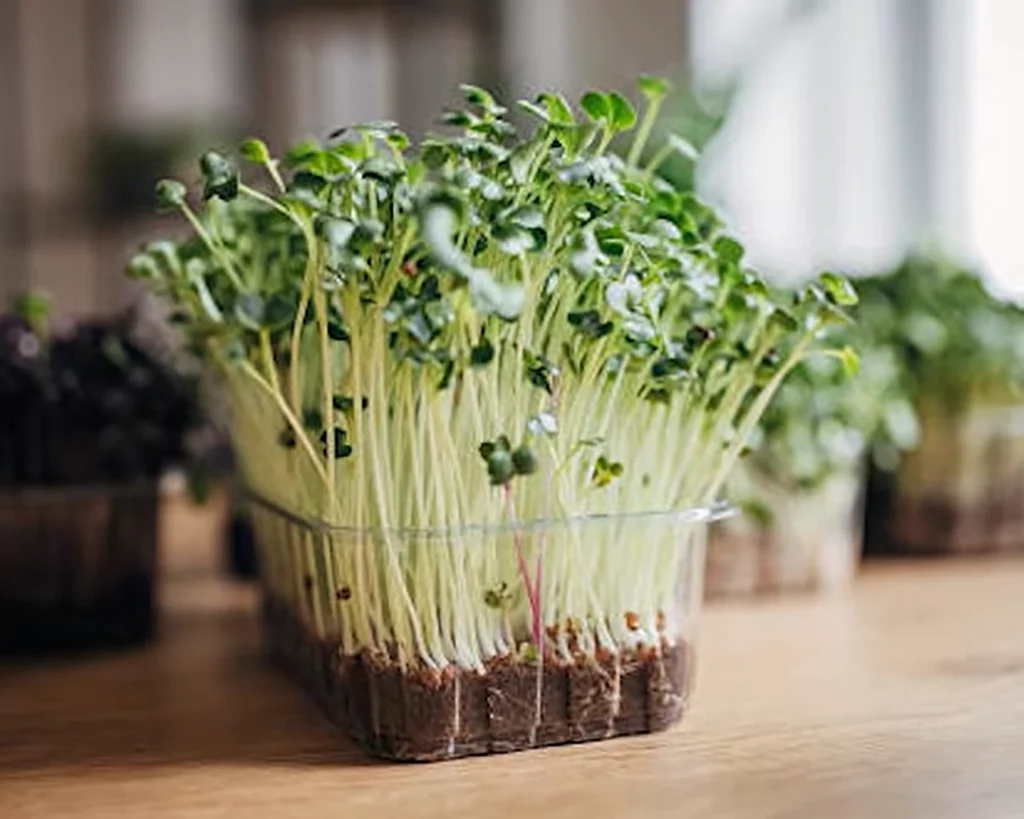
One of the most profitable plants is Radish Microgreen, is an extremely fast-growing crop, ready for harvest in just 7 to 14 days. They can be grown easily indoors on a shelf in a tray with simple lighting, making them ideal for small spaces like a spare room or garage. A single 10×20 inch tray can yield about half a pound to a pound of micro greens, which sell for $25 to $50 per pound to restaurants and farmers markets. This means a grower can produce a new batch every week, providing a steady income all year round without relying on outdoor seasons or weather conditions.
Radish microgreens have a flavorful, peppery taste that chefs appreciate for garnishes and adding texture. They are also among the easiest micro greens for beginners to grow. The start-up costs are minimal, needing only trays, growing medium, seeds, and basic lighting, with no need for land, greenhouses, or tractors. Although traditionally dismissed by some farmers as just a garnish, the quick turnover and high selling price show they can be a lucrative business, generating cash flow in just a week.
3) Stevia
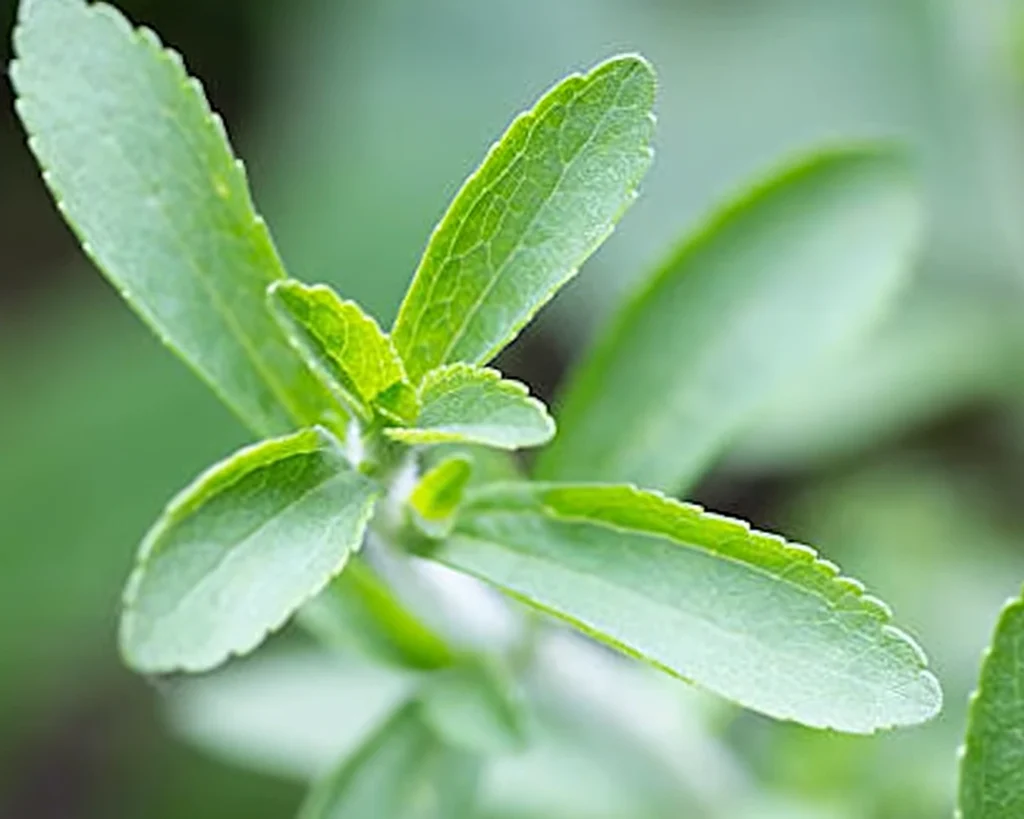
One of the most profitable plants is Stevia, is a versatile crop that can be sold in four different forms: fresh leaf, dried leaf, powdered leaf, and processed liquid or crystalline extract. Each form targets different customers and comes with various price points. The plant is compact and easy to grow in containers, producing leaves that are 40 to 300 times sweeter than sugar and have virtually no calories. This makes it appealing to health-conscious consumers searching for natural sweeteners.
A single stevia plant can yield several ounces of dried leaf, which sells at a premium compared to culinary herbs due to its demand in the sweetener market. Growers who refine their efforts can extract a liquid concentrate from dried leaves, allowing them to sell stevia extract at high prices in health food stores.
Stevia is a perennial plant in warm climates and can also be grown as an annual. It can be multiplied easily from cuttings, making it possible to generate numerous new plants from one mother plant. Many people only recognize stevia as a sweetener packet, not realizing it can be grown at home and harvested easily.
2) Vanilla Orchid
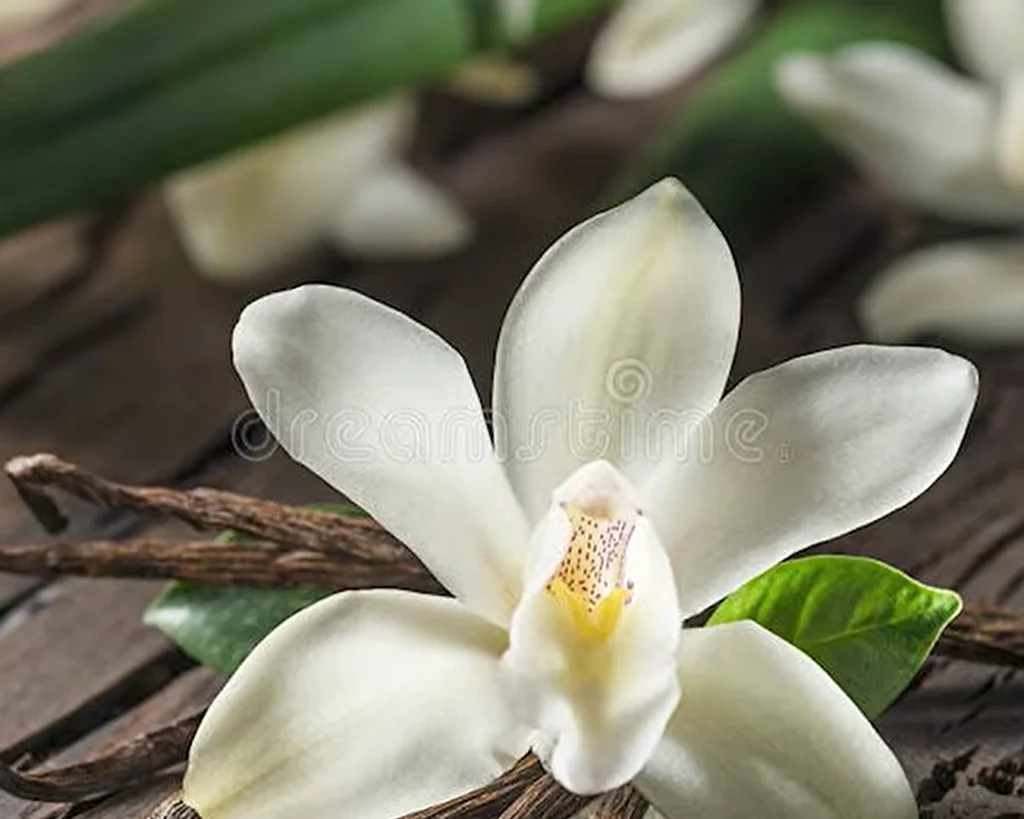
One of the most profitable plants is Vanilla Orchid, is the second most expensive spice after saffron, yet few people in America are growing them. These orchids can thrive indoors or in greenhouses in various climates. They produce long green pods that, when cured, become vanilla beans, which can sell for $50 to $200 a pound depending on global supply.
The key issue with vanilla’s high value is pollination. Outside their native regions, vanilla orchids lack natural pollinators, requiring growers to hand-pollinate each flower within a 12-hour period using a special tool and technique. This process is tedious and precise, which keeps supply low compared to demand. A mature vanilla vine can produce dozens of pods, taking about three years to mature and an additional 6 to 9 months to develop fully before curing.
Despite its challenges, a dedicated grower with a modest greenhouse can profit significantly from hand-pollinating a few dozen vines each year. True bourbon grade vanilla beans are highly sought after and experience price volatility due to limited supply. Many American growers overlook vanilla because it seems more like a hobby than a business, but acquiring the skill of hand-pollination can lead to profitable outcomes.
1) Saffron

One of the most profitable plants is Saffron, is a spice that is extremely valuable, often more expensive than gold. It comes from the red stigmas of the crocus flower, with each flower producing three stigmas. To make just one gram of saffron, around 150 flowers are needed, and 75,000 flowers are required for one pound. The price of saffron ranges from $2,000 to $10,000 per pound, depending on quality and origin.
Saffron crocus corns can be planted closely, with 40 to 50 corns fitting in a square foot. Each year, they multiply underground, allowing for easy harvesting. A raised bed the size of a queen mattress can yield thousands of dollars in saffron every October. The flowers bloom for about three to four weeks in the fall, a time when most gardens are quiet, so saffron does not compete with other crops.
While American growers have ignored saffron due to the labor-intensive harvesting process, this same labor is what keeps its price high. The difficulty of harvesting the tiny threads protects its value. Those who appreciate this labor can turn patience into profit with this valuable spice, which is largely overlooked by many gardeners.