
In this article we will explore some of the best fruits, highlighting their historical and medicinal value. It suggests that fruits like figs, pomegranates, and dates were once so revered that they were included in important agreements and used as remedies for illness. The Bible features these fruits prominently because of their substantial role in healing, nourishment, and sustaining life, a significance that modern science is beginning to understand. So let’s know.
5) Fig

One of the best fruits is Fig. It was an important fruit in ancient Israel, symbolizing peace, security, and a prosperous life. The phrase about every man sitting under his own fig tree appears multiple times in the Old Testament, reflecting how figs represented food security for families. Figs were valued for their ability to be consumed fresh in season or dried for later use, making them a reliable source of nutrition.
Modern nutrition science supports the significance of figs, highlighting their richness in soluble fiber, particularly pectin, which benefits gut health and slows sugar absorption. Figs also provide essential minerals like potassium, calcium, and magnesium, which are often lacking in today’s diets. Studies on dried figs show benefits such as improved bowel regularity, better mineral status, and even slight improvements in bone density due to calcium and potassium’s effects on reducing calcium loss.
Traditionally, fresh figs were eaten at their ripest in late summer, while dried figs were stored for winter and fig leaves were used for wrapping and cooking. Having reliable access to figs contributed to better nourishment for the people, making figs a symbol of stability and sustenance.
4) Pomegranate

One of the best fruits is Pomegranate, is highly regarded in scripture and architectural design. Moses was told to embroider pomegranates on the high priest’s robes, and Solomon had 200 bronze pomegranates made for the temple’s entrance. This fruit symbolizes abundance and life, supported by modern research showing its health benefits.
Pomegranates contain a unique compound called punicolagen, which the gut transforms into eurolithins. These compounds are studied for their ability to reduce inflammation and support cellular maintenance as we age. Clinical studies on pomegranate juice show benefits like lower blood pressure, better artery flexibility, and reduced oxidation of LDL cholesterol, helping prevent hardened arteries. The antioxidant levels in pomegranate seeds and juice surpass those of green tea and red wine.
Traditionally, people consumed the seeds, drank the juice, and made tea from the bitter rind, which is often discarded. The temple builders included pomegranates in their designs, indicating that they valued one of the most potent antioxidant sources available in the ancient world.
3) Date

One of the best fruits is Date, is a sweet fruit often linked to the idea of a promised land in ancient texts. Many scholars suggest that the honey mentioned in the Old Testament may have actually been date honey, a syrup made from date palm fruit, which thrived in regions like the Jordan Valley and around the Dead Sea. Dates are rich in calories, have a long shelf life, and provide quick energy due to their natural sugars, making them ideal for travel through deserts by merchants and soldiers.
In addition to energy, dates are a good source of potassium, magnesium, copper, and fiber. Some studies indicate that consuming dates in the last weeks of pregnancy may help shorten labor due to certain compounds that support uterine health. The polyphenols in dates, especially tannins, have shown antimicrobial properties in research.
Traditionally, people ate three to five dates for energy, used date syrup as a natural sweetener instead of sugar, and stored dried dates during winter when fresh fruit was not available. Dates remain one of the most nutritious fruits available.
2) Apple
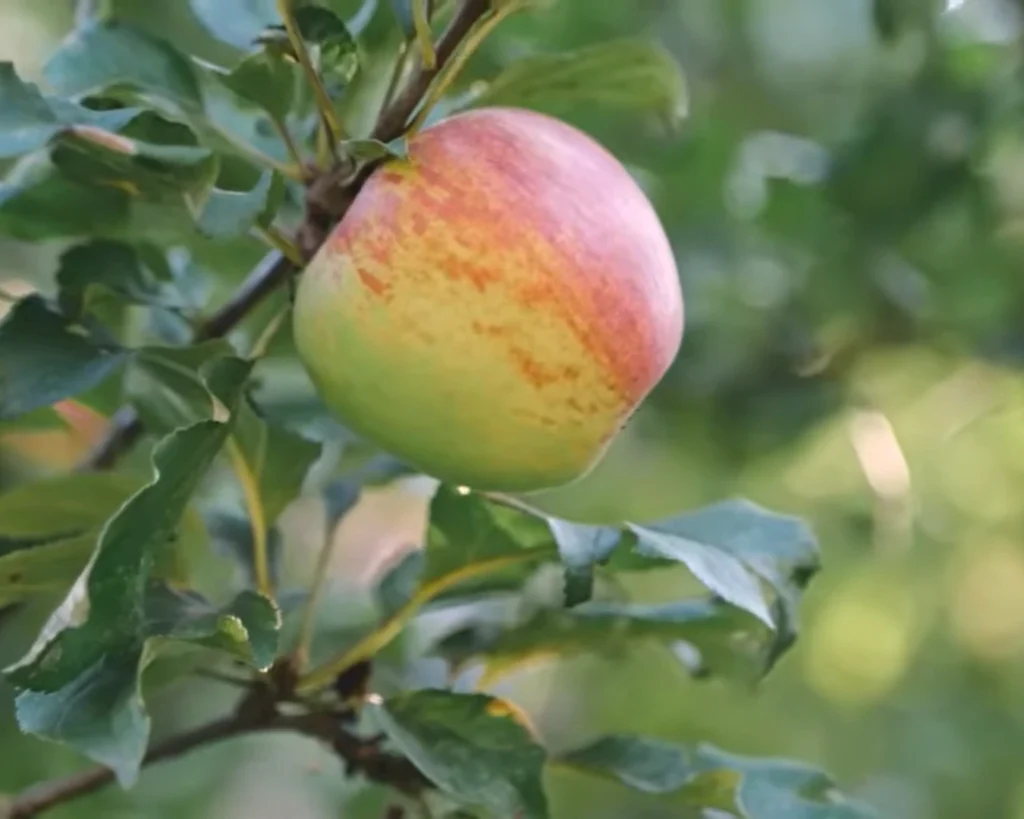
One of the best fruits is Apple. There is ongoing debate among scholars about whether the fruit mentioned in the Garden of Eden and other Old Testament references, often called an apple, was really an apple as we know it today. Many suggest it could be other fruits like apricots or quinces instead. Despite this uncertainty, apples have a longstanding reputation for being healthy. Modern studies support this, showing that apples are high in pectin, a soluble fiber that benefits gut bacteria, slows down sugar absorption, and can help lower bad cholesterol levels.
The skin of the apple contains a flavonoid called quercetin, known for its anti-inflammatory and antihistamine effects, which is why nutritionists often advise eating apples with the skin on. Research has linked eating apples regularly to a lower risk of heart disease and better gut health. Traditionally, apples were consumed fresh with the skin, dried for winter storage, or juiced for drinking and vinegar, a process that enhances beneficial acids used for digestive health.
1) Grapes

One of the best fruits is Grapes. Jesus described his relationship with his followers using the grape vine imagery, reflecting its importance in first-century Israel. Grapes were consumed fresh or dried, made into juice or wine, and provided various nutritional benefits.
Fresh grapes are rich in resveratrol, quercetin, and anthocyanins, which are studied for their protective effects on the heart and cells. Resveratrol helps activate proteins involved in cellular repair, making it a key focus in longevity research. Grapes also provide hydration, potassium, and vitamin K, which were essential in hot climates where dehydration was common.
Traditionally, people ate grapes fresh in season, used grape leaves to wrap food, and dried grapes into raisins for energy that could be stored. The grape plant’s significance extends beyond nourishment, as it symbolizes connection and life in scripture. This deep integration into daily life and spirituality highlights grapes as one of the most beneficial fruits for human health.