
In this article we will explore some of the best collagen supplements that essential for skin, joints, and connective tissue. As you age, your body’s natural collagen production decreases. Collagen is vital for maintaining skin elasticity, connective tissues, bones, and joints. Many believe that expensive anti-aging products are the only solution, but numerous collagen-rich foods have been traditional staples in many cultures for centuries.
The article discusses the top natural sources of collagen. It emphasizes the importance of vitamin C for collagen synthesis and shares how certain foods can help improve skin health, reduce wrinkles, and enhance skin elasticity. Key nutrients such as zinc, copper, glycine, proline, and lysine play significant roles in collagen production, and traditional foods can support healthy joints, bones, hair, and nails. So let’s know.
5) Beef Short Ribs

One of the best collagen supplements is Beef Short Ribs, are a unique cut of meat that requires slow cooking to bring out their special qualities. They are tough because they contain connective tissue, which is rich in collagen. This collagen melts into gelatin when cooked at low temperatures for several hours, making the meat tender and creating a rich sauce. Different cultures have their ways of preparing short ribs. For example, in Korea, they are called galbi and are served during celebrations. In France, they are braised in wine for hours.
Cooking short ribs can take 3 to 4 hours with the traditional method of browning them first and then braising them in broth, wine, or water with onions and garlic. It is important to keep the cooking liquid because it contains much of the gelatin that contributes to the dish’s richness. Additionally, beef short ribs are nutritious, providing zinc and iron, which are essential for tissue repair and oxygen transport in the body. The toughest cuts of meat are actually valuable when given enough time to cook properly.
4) Salmon

One of the best collagen supplements is Salmon, is highly valued for its skin and nutritional benefits. Indigenous peoples of the Pacific Northwest built their cultures around the salmon run, using the fish’s meat, which was often smoked or dried, to survive winters. In Japan, salmon skin is a popular food, often used in hand rolls, rather than being discarded. The skin is a rich source of collagen, which is essential for skin, tendons, and bones. Much of the marine collagen sold today comes from fish skin and scales.
Salmon is also an excellent source of omega-3 fats, specifically EPA and DHA, which help reduce inflammation in the body and protect collagen in the skin. These healthy fats counteract the negative effects of inflammation and sun exposure on the skin. Additionally, salmon provides high-quality protein and astaxanthin, an antioxidant that gives salmon its reddish color. The best way to cook salmon is to keep the skin on and cook it skin side down until crispy. Health guidelines recommend eating two servings of fatty fish each week, further showcasing salmon as one of the best foods for skin health.
3) Egg White

One of the best collagen supplements is Egg White. Eggs have long been a vital source of protein for farm families, providing nourishment for various meals. Egg whites, in particular, are valuable for their high-quality protein, including proline, which helps the body create collagen. Although egg whites do not contain collagen, they offer a pure and easily absorbed protein source, with one large egg white containing about 3.5 grams of protein and minimal fat.
Eggs are complete proteins, containing all nine essential amino acids, which collagen itself lacks. This makes egg whites complementary to collagen-rich foods. While the egg white aids in protein intake, the eggshell membrane also contains collagen and has been researched for joint comfort. To benefit from the full nutritional profile, it is suggested to consume whole eggs since the yolk is rich in vitamins A, D, and E. Additionally, eggs from pasture-raised hens tend to have more nutritious yolks.
Traditionally, eggs are eaten whole, but extra egg whites can be used in dishes like omelets, baking, or meringues. Overall, eggs serve as an excellent food for supporting the body’s nutrition and rebuilding needs.
2) Broccoli
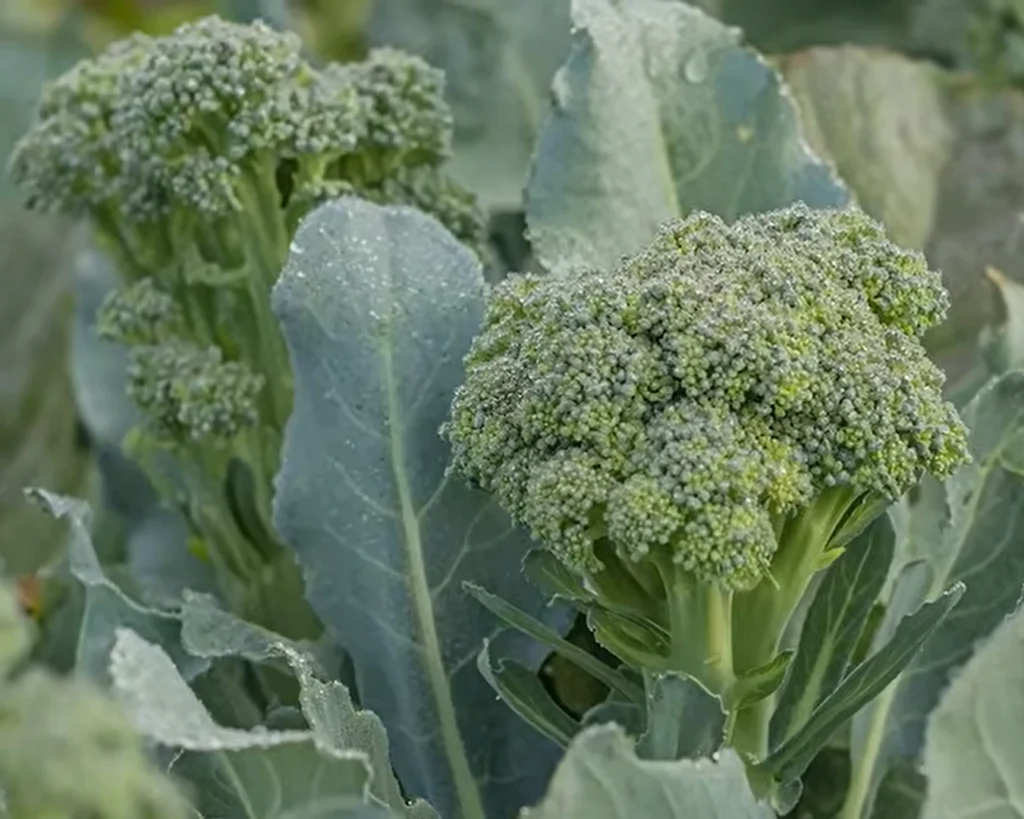
One of the best collagen supplements is Broccoli, often seen as an Italian gift to skin health, was developed from wild cabbage by Italian farmers. The name “broccoli” translates to “little sprouts” in Italian. It was primarily an Italian vegetable until Italian immigrants introduced it to America. A cup of raw, chopped broccoli contains around 80 mg of vitamin C, nearly the same as an orange, along with vitamin K, folate, and several minerals that help support connective tissue.
Broccoli is especially known for a compound called sulforaphane. Research from John’s Hopkins University discovered that sulforaphane boosts the body’s antioxidant defense systems. A human study showed that broccoli sprout extract could decrease skin redness from ultraviolet light, which is significant because sun damage can break down collagen. To maximize sulforaphane, broccoli should be chopped or chewed as an enzyme called myroinase starts its formation.
Avoid boiling for long periods, as this can destroy this enzyme and much of the vitamin C; instead, light steaming for 3 to 4 minutes is recommended. Traditional cooking methods include light steaming, roasting with olive oil and garlic, or eating it raw. Growing broccoli sprouts at home is another option, as they are very nutrient-dense.
1) Orange

One of the best collagen supplements is Orange. Oranges played a crucial role in saving sailors from scurvy, which was a major cause of death for British sailors in the 1700s. Scurvy caused serious symptoms like bleeding gums, loose teeth, and reopening of old wounds. In 1747, James Lind, a Scottish naval surgeon, conducted one of the first controlled medical trials. He discovered that sailors who received oranges and lemons showed significant recovery.
This led to the standard use of citrus on British ships. Scurvy occurs when the body cannot produce stable collagen, which is essential for healthy gums, skin, blood vessels, and even old scars. Without vitamin C, collagen breaks down, leading to various health issues. A medium orange contains about 70 mg of vitamin C, along with fiber, folate, potassium, and beneficial flavonoids. It is advised to eat the whole fruit instead of just the juice to gain more fiber and flavonoids found in the white pith.
Fresh orange juice can also be added to homemade gelatin, and the peel can be used in baking and cooking. Although most people don’t face scurvy today, it is important to consume vitamin C daily, as the body does not store it well. Oranges can help maintain collagen health.