
The animal kingdom is filled with amazing creatures, including the remarkable big cats, which are the largest felines in the world. This group consists of tigers, lions, cheetahs, leopards and jaguars. These majestic mammals inhabit regions in Africa, Asia, and the Americas, each displaying beautiful coats with unique colors and patterns. Their natural power, stealth, and strong presence enhance their global appeal and admiration.
5) Jaguar
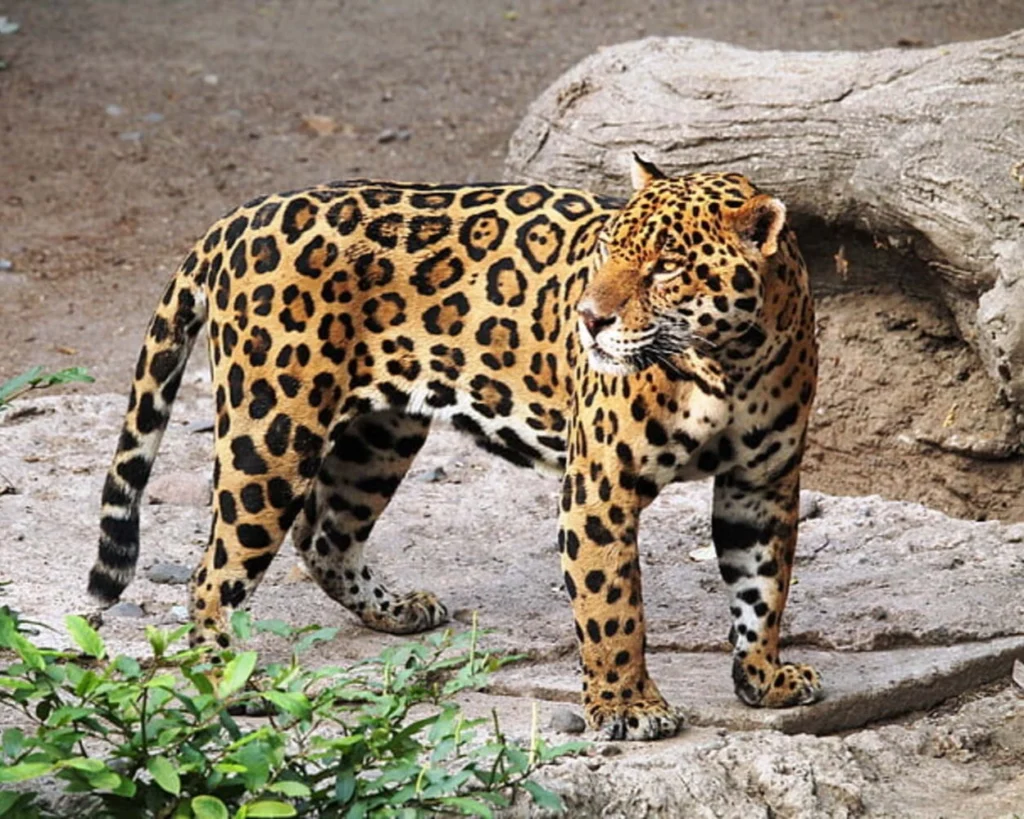
Jaguars are strong, muscular cats with round heads and small eyes and ears. Their golden coats have unique markings called rosettes, which have spots in the middle. Jaguar can have black fur due to a genetic mutation known as melanism, leading to their common name, black panthers, though their rosettes can still be seen. Jaguars are the fastest big cats, capable of sprinting at 100 kilometers per hour over short distances, and they often use their tail tips to lure prey.In the wetlands of Central and South America, the jaguar is the top predator. It has a strong body and powerful jaws, using a unique biting technique that kills quickly.
Jaguars have a distinctive rosette patterned coat with smaller spots, which sets them apart from leopards. They are closely associated with water, often swimming in rivers and hunting animals like fish, turtles, and caymans, differentiating them from other big cats. Jaguars are solitary and territorial, moving quietly through thick vegetation. Though they can be hard to spot, they play an important role in their ecosystem by controlling prey populations. Their strength, adaptability, and affinity for water are key to their survival.
4) Leopard
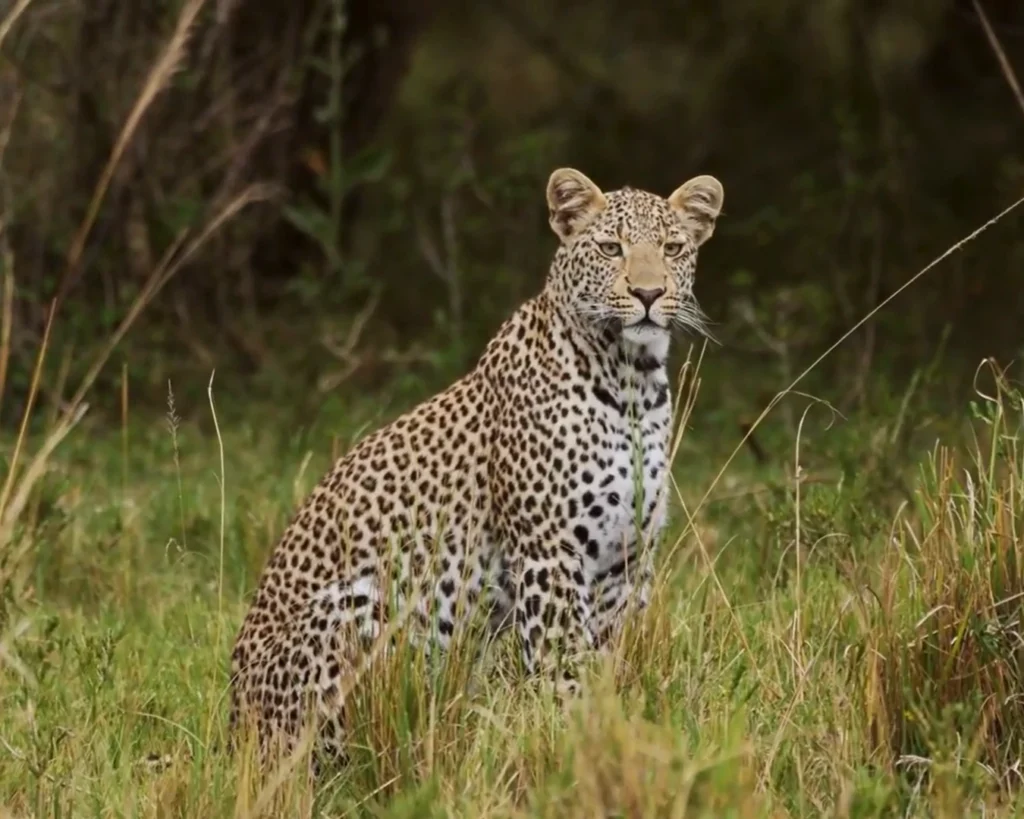
Leopards are highly adaptable big cats found in various habitats, from African savannas to Asian jungles. They have golden coats with rosette-shaped spots that provide excellent camouflage, allowing them to blend into their environment. Known for their stealth and patience, leopards quietly stalk prey before striking with sudden ambushes.
They are opportunistic feeders, eating everything from small rodents to large antelope. Leopards possess remarkable strength, enabling them to carry prey heavier than themselves up into trees to protect their meals from scavengers. They are also skilled climbers, spending much time in trees to store food, rest, and observe their surroundings.
3) Cheetah
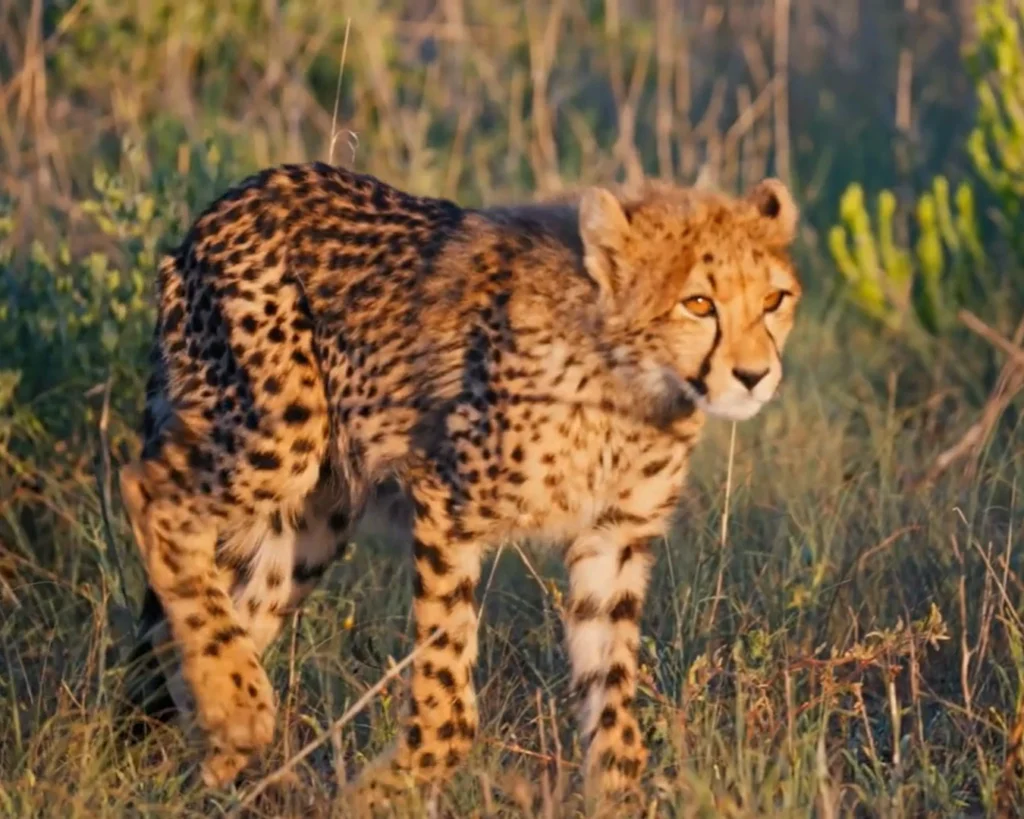
The Cheetah is the fastest land animal, reaching speeds up to 70 mph (112 km/h) in short bursts. Its speed is due to its lightweight body, long legs, and flexible spine, which helps extend its stride. However, they can only maintain this speed for 20 to 30 seconds before overheating. Cheetahs primarily hunt during the day, using their excellent eyesight to spot smaller animals like gazelles from afar. When chasing, they rely on their long tail for balance to make sharp turns.
Cheetahs have unique black tear marks on their faces that reduce sun glare, aiding their focus while hunting. Despite their speed, they are not as strong as other big cats. After catching prey, they must eat quickly to avoid losing their food to stronger predators like lions or hyenas. This constant threat highlights the challenges of survival even for such fast and agile hunters.
2) Lion
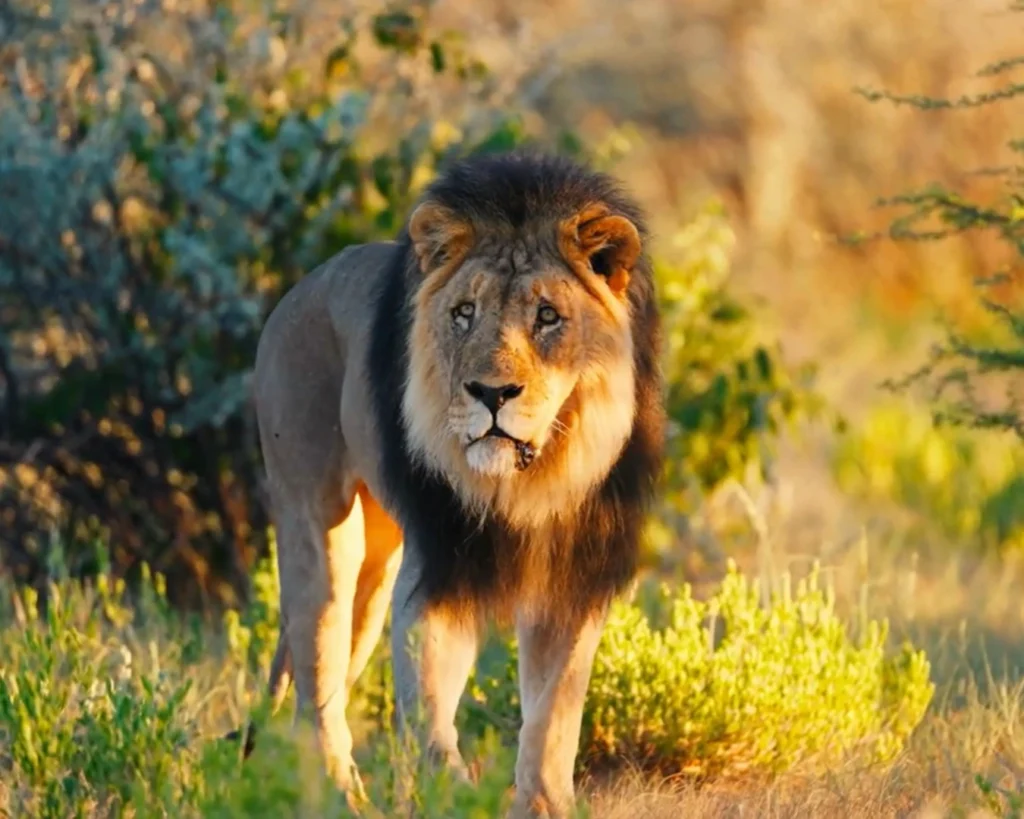
Lions are commonly referred to as the king of the jungle, but they primarily inhabit grasslands and open savannas in Africa and a small area in India. They are unique among big cats because they live in groups called prides, which can have up to 30 members. A pride is usually led by a coalition of males responsible for protecting the group, while the females, known as lionesses, are the main hunters. Lionesses work together using teamwork to hunt larger prey, such as wildebeests and buffalo, improving their chances of a successful hunt.
Male lions are easily identified by their distinctive manes, which can range from blonde to dark brown or black. The mane serves as a display of strength and health, making them more attractive to females and intimidating to other males. Interestingly, despite their fierce hunting reputation, lions spend a lot of time resting, sometimes up to 20 hours a day. This resting behavior is crucial for conserving energy, as hunting requires quick bursts of intense effort.
1) Tiger
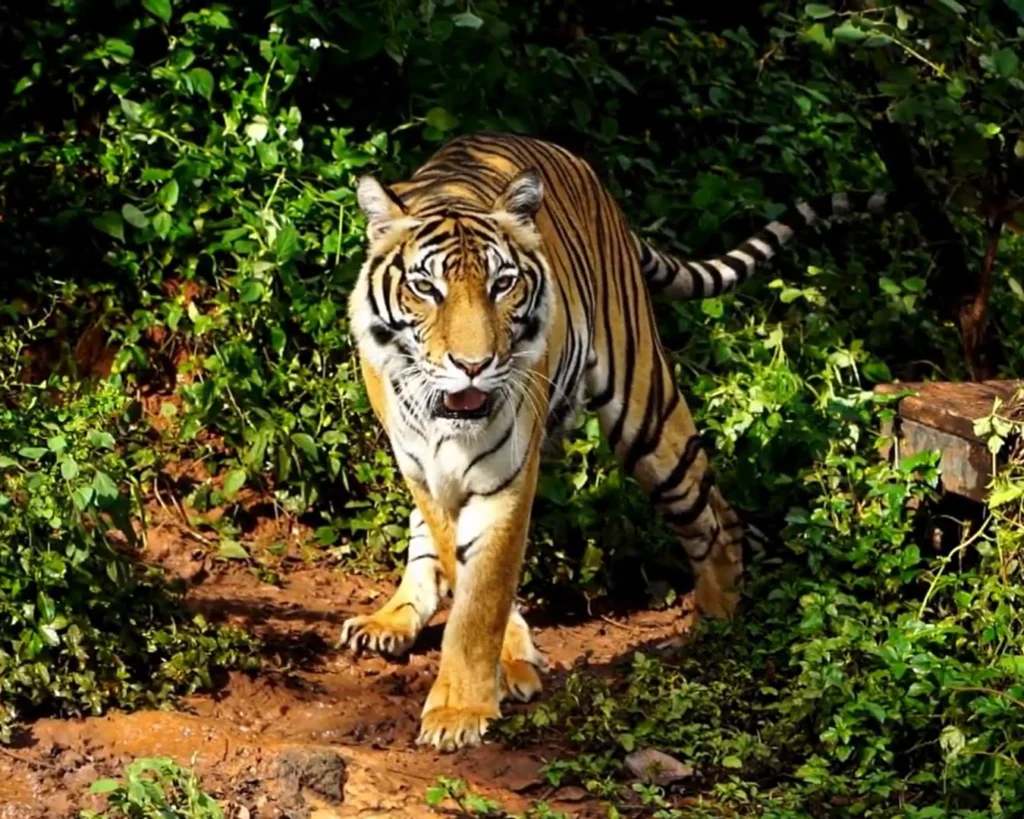
Tigers are the largest members of the big cats family, recognizable by their unique orange coats with black stripes. They are solitary animals found in various habitats across Asia, including forests and swamps. Unlike lions, tigers prefer to live and hunt alone, marking extensive territories that can cover hundreds of square kilometers, depending on where their prey is located.
As powerful hunters, tigers rely on stealth rather than speed, quietly stalking their prey before launching a swift attack. Their diet mainly consists of deer, wild boar, and large animals like buffalo, with a successful hunt providing food for several days. Additionally, tigers are strong swimmers and enjoy being in water, often cooling off in rivers or lakes and swimming long distances in search of food or new territory.