
In this article we will explore some countries with unique flags, revealing their meanings and symbolism. Flags represent more than nations; they tell stories of history, culture, and identity. Read this article to learn why these flags are special. So let’s begin.
5) South Africa

One of the unique flags is South Africa’s flag, introduced in 1994, symbolizes hope and unity following the end of apartheid. Its unique design features six vibrant colors and a Y shape, representing the merging of diverse cultures into a united future. The colors reflect both African heritage, linked to the African National Congress, and European influences from South Africa’s colonial past.
The flag was created to be inclusive for all South Africans and was adopted during a transformative time led by leaders like Nelson Mandela, who promoted reconciliation and equality. Today, the flag is a cultural icon celebrated at various events, representing the country’s ongoing journey.
4) Japan
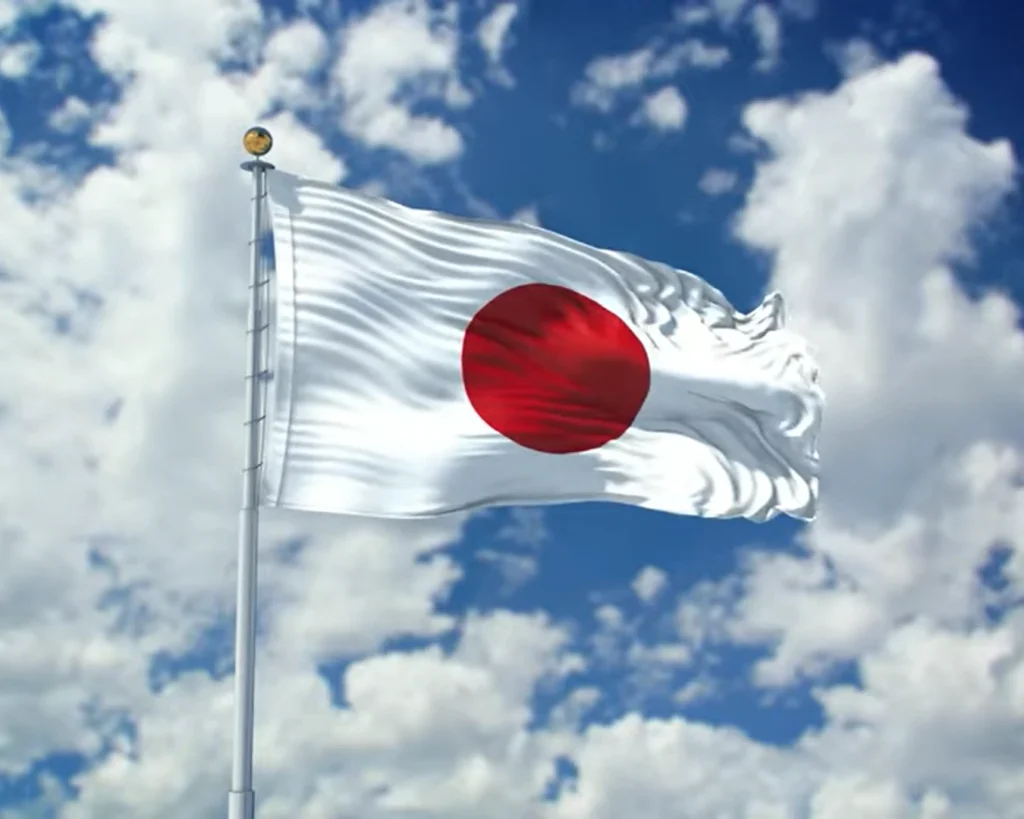
One of the unique flags is Japan’s flag, known as the Nishoki or rising sun flag, is a symbol of simplicity and culture. The red circle represents the sun, reflecting Japan’s identity as the land of the rising sun. The white background signifies purity, honesty, and peace, which are important values in Japanese society.
The combination of red and white showcases a balance seen in Japanese art and design. Although the current flag design was officially adopted in 1999, it has roots dating back to the Edo period. The flag symbolizes Japan’s respect for tradition and nature, conveying deep meaning through its simple design.
3) Saudi Arabia

One of the unique flags is Saudi Arabia’s flag, a significant symbol that represents faith, justice, and national pride. It has a green background with a white Arabic inscription and a sword. The inscription is the shahada, declaring belief in one god, Allah, and Muhammad as His messenger.
This phrase shows the country’s roots in Islam and its dedication to Islamic values. The sword signifies justice and strength. The green color symbolizes growth and prosperity. The flag is not displayed at half-mast as a sign of respect for the shahada. It has changed since 1932 but remains a symbol of unity and cultural heritage.
2) Bhutan
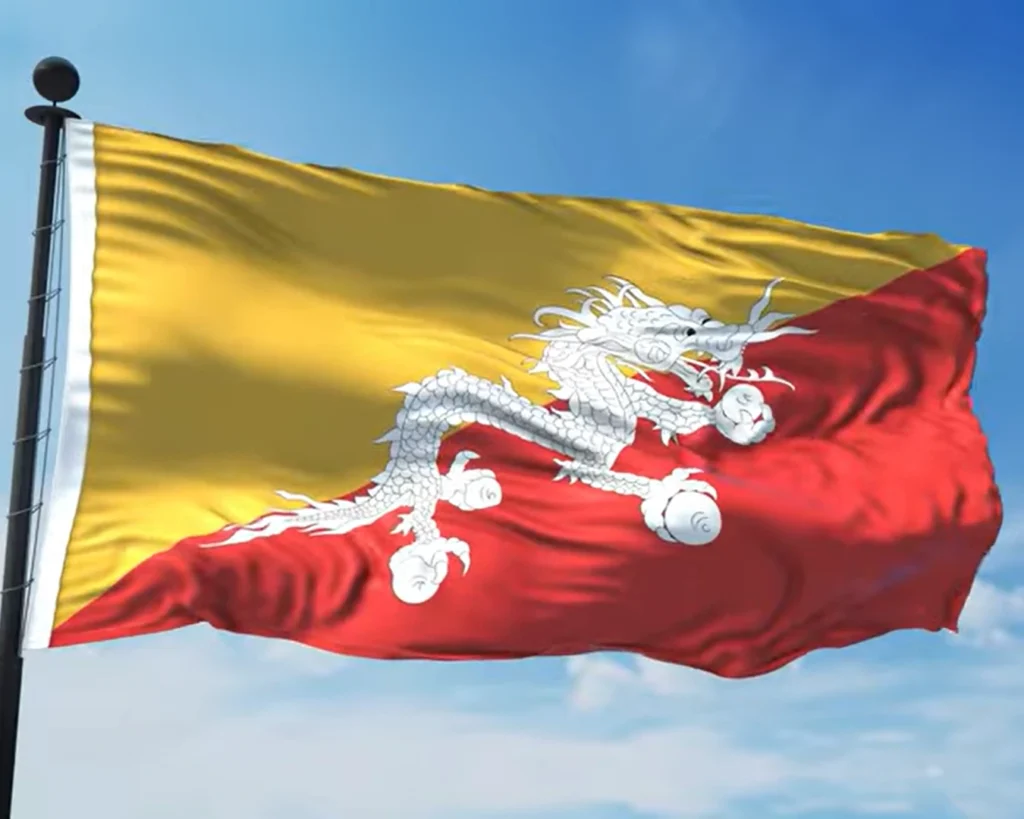
One of the unique flags is Bhutan’s flag, features a white dragon on a background divided into yellow and orange. The dragon, called the Duk, symbolizes Bhutan’s nickname, the land of the thunder dragon. Its white color stands for purity, while the jewels in its claws represent wealth. The yellow half of the flag reflects the secular authority of Bhutan’s monarchy, and the orange half represents the spiritual heritage of Buddhism. Adopted in 1969, the flag expresses national pride and identity, symbolizing strength and the country’s commitment to sovereignty.
1) Nepal
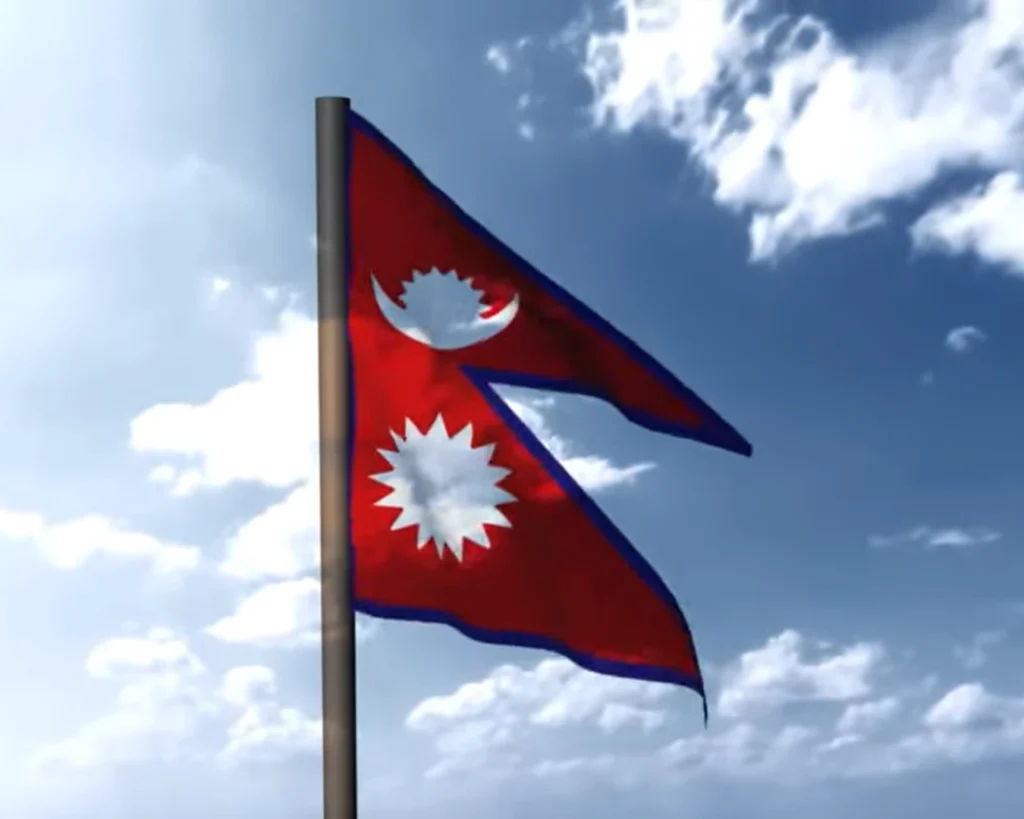
One of the unique flags is Nepal’s flag, unique as the only non-rectangular national flag in the world. Its design features two stacked triangular shapes, representing the Himalayas and the country’s major religions, Hinduism and Buddhism. The flag’s deep red signifies bravery, while blue stands for peace and harmony.
It includes symbols of the sun and moon; the crescent moon reflects the calmness of the Nepalese people, and the sun represents their fierce spirit. The flag’s design comes from ancient flag-like objects used by royalty and was officially adopted in 1962. This flag reflects Nepal’s uniqueness, resilience, and spiritual depth, and its mathematical proportions are outlined in the constitution.
List Of Unique Flags
- South Africa
- Japan
- Saudi Arabia
- Bhutan
- Nepal
Top5 Amazing Facts About Iceland