
In this aricle we will discover facts about tourism. Travel has always been important in human history, changing in purpose and impact over time. From ancient pilgrimages to modern tourism, it has transformed societies and economies. This article will cover the evolution of tourism from ancient times to today. So let’s begin.
5) Ancient Tourism
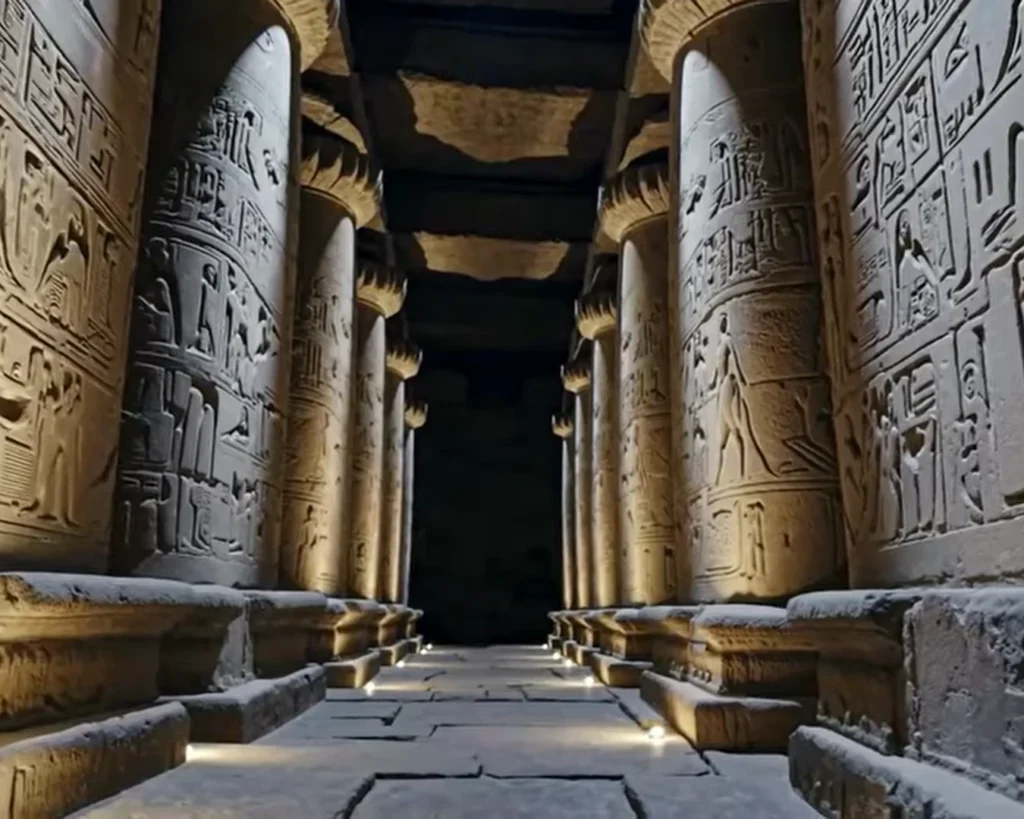
Ancient Tourism is one of the facts about tourism. Tourism dates back to ancient times, rooted in necessity, curiosity, and spiritual devotion. Early civilizations such as the Egyptians, Greeks, and Romans laid the groundwork for modern tourism. One of the earliest forms was religious pilgrimage. In ancient Egypt, people traveled to significant temples and monuments, like the pyramids of Giza, to honor their gods. Similarly, ancient Greece attracted visitors to sacred sites like the Oracle of Delphi and the Temple of Zeus, where cultural exchange occurred during events such as the Olympic Games.
The Greeks and Romans also engaged in early leisure travel. Wealthy individuals sought coastal towns and countryside villas for relaxation, using travel to display their status. Greek historian Herodotus inspired others with his documented explorations. The Roman Empire transformed travel with a comprehensive road network, making journeys faster and safer. These roads allowed people, including tourists, to traverse vast distances and access inns for rest. Roman citizens often visited major urban centers like Alexandria or attended grand events.
Moreover, some ancient travelers were driven by curiosity, like explorers Herodotus and Pythus, who documented distant lands and cultures. Travel in ancient times emphasized discovery, connection, and wonder. Whether visiting sacred sites, exploring new lands, or enjoying leisure activities, these early travelers set the stage for the growth of global tourism, reflecting the enduring spirit of exploration.
4) Medieval Tourism
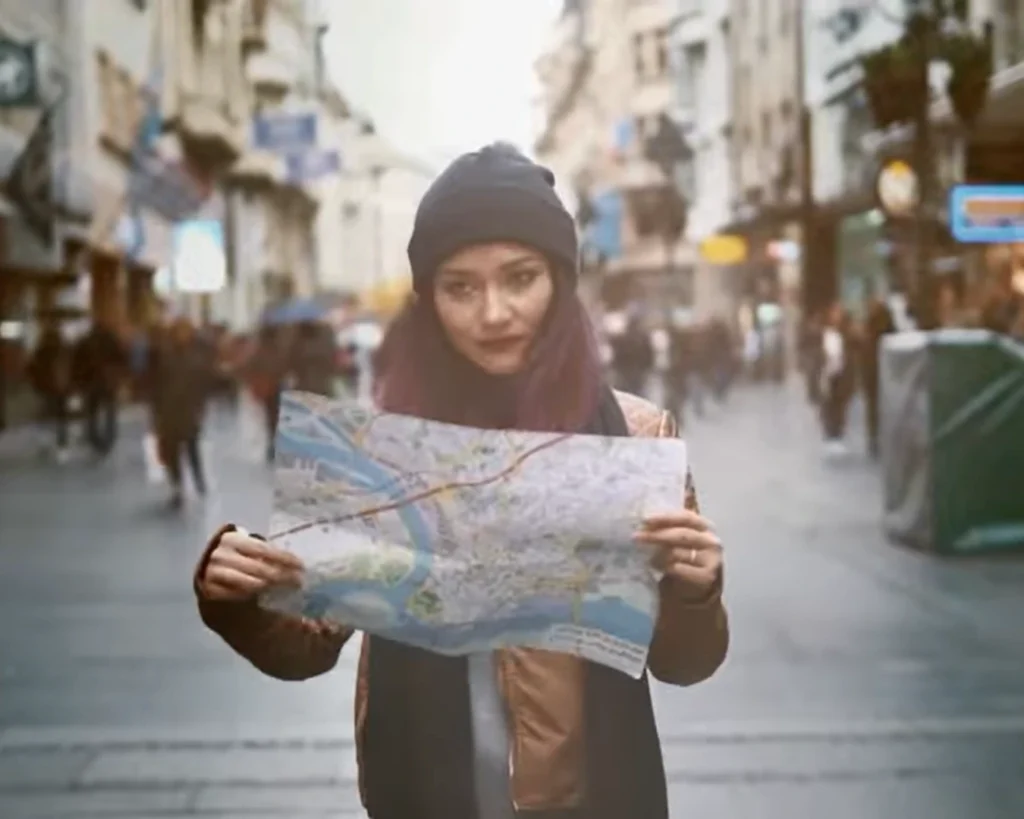
Medieval Tourism is one of the facts about tourism. During the Middle Ages, travel became necessary for spiritual and commercial reasons. Pilgrimages to sites like Canterbury, Santiago de Compostela, and Mecca attracted many seeking spiritual fulfillment, with pilgrims relying on hospices and inns for rest.
Routes like the Camino de Santiago promoted cultural exchange. Commerce, particularly through the Silk Road, encouraged travel by linking China and the Mediterranean and facilitating trade in goods like silk and spices. Cities like Samarkand, Baghdad, and Venice became important trade centers. Despite dangers, travel led to infrastructure improvements and cultural connections that have influenced modern tourism today.
3) Modern Tourism
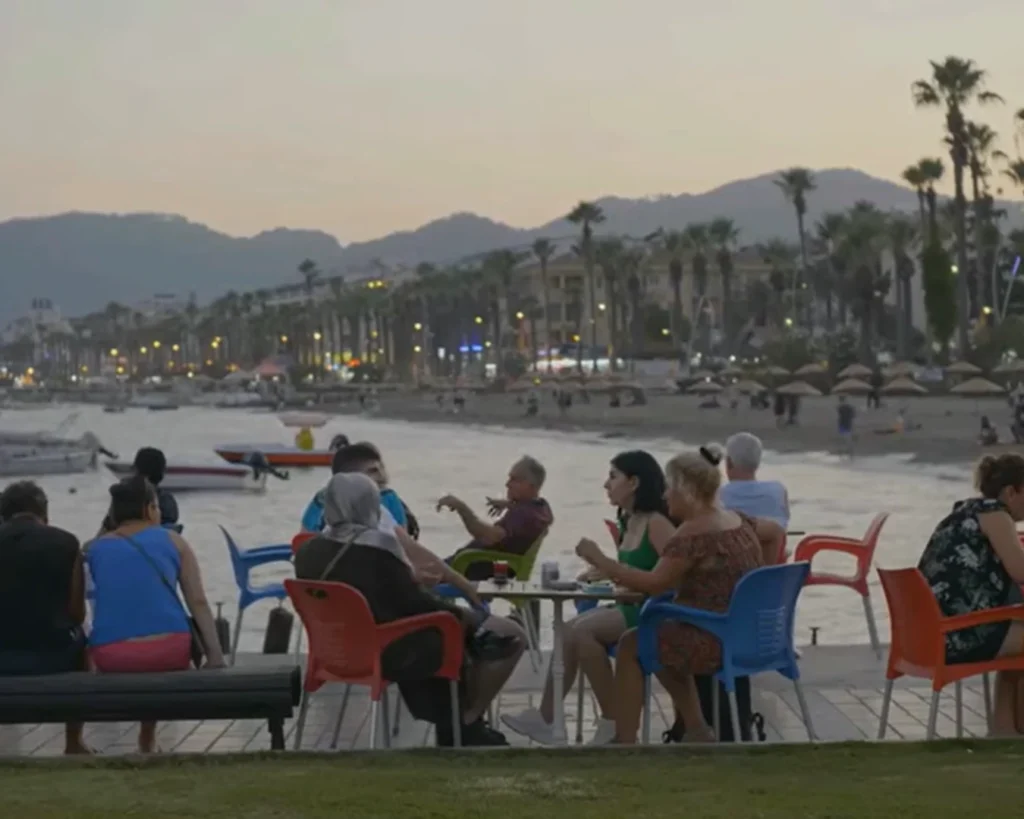
Modern Tourism is one of the facts about tourism. The transition to modern tourism began in the Renaissance, gaining speed in the 17th and 18th centuries as travel became a way to enjoy leisure, learn, and display social status. A central aspect of this era was the Grand Tour, which young European aristocrats took to complete their education by visiting cities like Paris, Rome, and Florence. These trips emphasized learning about art, architecture, and history while showcasing wealth and sophistication.
In addition to the Grand Tour, spa towns and seaside resorts emerged, with places like Bath in England catering to those seeking health and relaxation. The 19th-century industrial revolution significantly changed travel with advancements like railways and steam ships, making it quicker, safer, and more affordable. This opened travel to the middle class, allowing access to destinations that were previously exclusive to the rich.
Pioneers like Thomas Cook introduced package tours, simplifying travel arrangements. Meanwhile, guidebooks such as Baedeker’s and Murray’s helped travelers navigate new places. The innovations of this period laid the foundation for mass tourism and established practices that are still essential in modern travel.
2) Post War Tourism
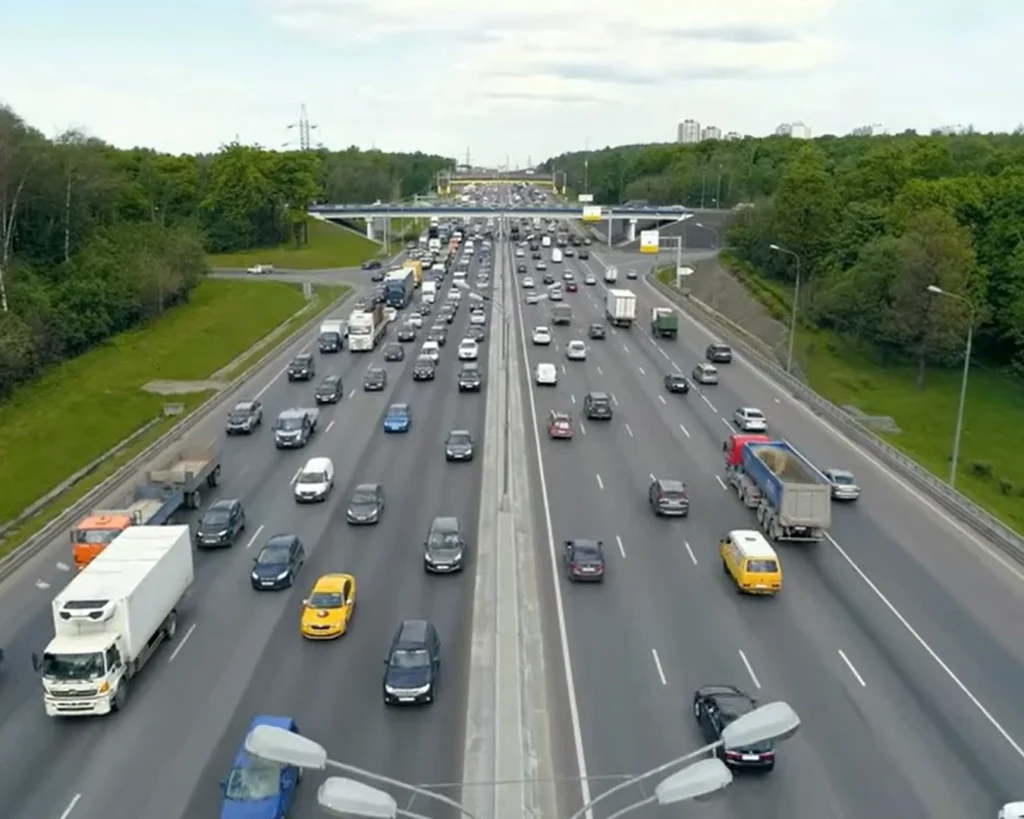
Post War Tourism is one of the facts about tourism. In the 20th century, tourism changed into a mass activity, particularly after World War II. Economic recovery, new technologies, and shifting social views allowed millions to travel. A key change was the rise of air travel with passenger planes like the Boeing 707 in the 1950s, making international destinations accessible for the middle class. Popular places such as Paris and New York became reachable in hours rather than weeks.
In addition to air travel, more people adopted cars, and highway systems were built, promoting domestic tourism. Iconic routes like Route 66 in the U. S. became symbols of adventure, encouraging family road trips. The post-war economic boom provided more people with disposable income and free time for travel, leading tour operators to create easy and affordable package vacations.
The 1960s and 1970s saw the growth of all-inclusive resorts and beach tourism in places like Hawaii and the Caribbean. Media, including television and films, greatly influenced tourism, showcasing distant locations and inspiring trips. This period marked the start of mass tourism as a part of modern life, boosting economies and cultural exchange, while also leading to issues like overcrowding and environmental concerns that prompted later discussions on sustainable tourism.
1) Today’s Tourism
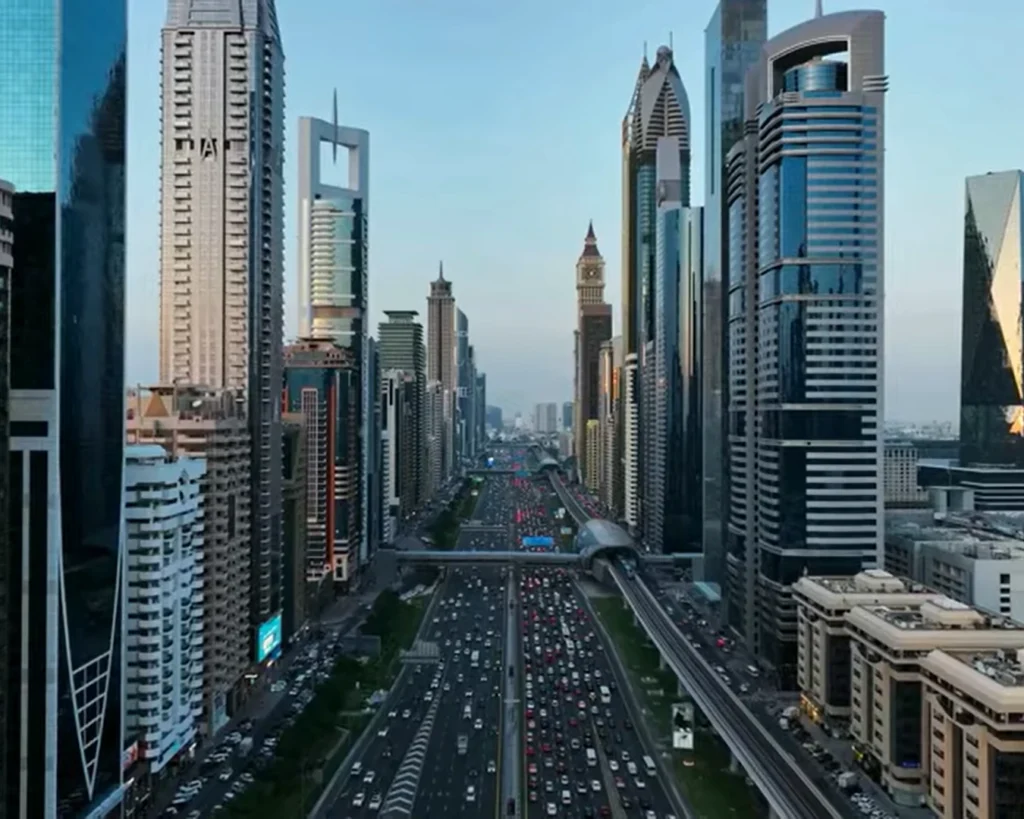
Today’s Tourism is one of the facts about tourism. Tourism today is greatly impacted by globalization, technology, and changing traveler habits, leading to growth but also challenges. As tourism grows, it negatively affects the environment and local communities. Places like Venice and Machu Picchu face issues like overcrowding and pollution.
To tackle these problems, many destinations are now adopting sustainable practices, such as limiting visitor numbers and promoting eco-tourism. Travelers are increasingly interested in eco-friendly options, choosing activities that help local communities and protect nature, like those found in Costa Rica and the Galapagos Islands.
Technology plays a major role in modern travel. Booking platforms and apps help with planning trips, and social media influences travel choices by showcasing beautiful locations. Virtual reality has changed how people experience travel, especially during the COVID-19 pandemic when virtual tourism allowed museums to reach a wider audience. There’s also a rise in niche tourism as travelers seek specialized experiences in adventure, food, and culture. The digital revolution has led to digital nomads who work remotely while traveling.
The COVID-19 pandemic affected global tourism but also highlighted the importance of local travel and sustainability. Today, tourism is more diverse, inclusive, and accessible. The industry continues to evolve, raising questions about the future of travel. What do you think the future will look like? Share your thoughts in the comments below.
List Of Facts About Tourism
- Ancient Tourism
- Medieval Tourism
- Modern Tourism
- Post War Tourism
- Today’s Tourism
Top5 Amazing Facts About Ireland