
In this article we will explore the affects of aging on the body. Aging is portrayed as a lengthy narrative woven into our memories and daily lives, influencing our healing, thinking, and experiences over time. It emphasizes that aging involves not just decline but also resilience, change, and biological creativity. Inside our bodies, numerous systems adjust and repair themselves as time passes, with some changes being visible and others hidden at the molecular level, affecting how we feel and function. So let’s begin.
5) Affects On Skin
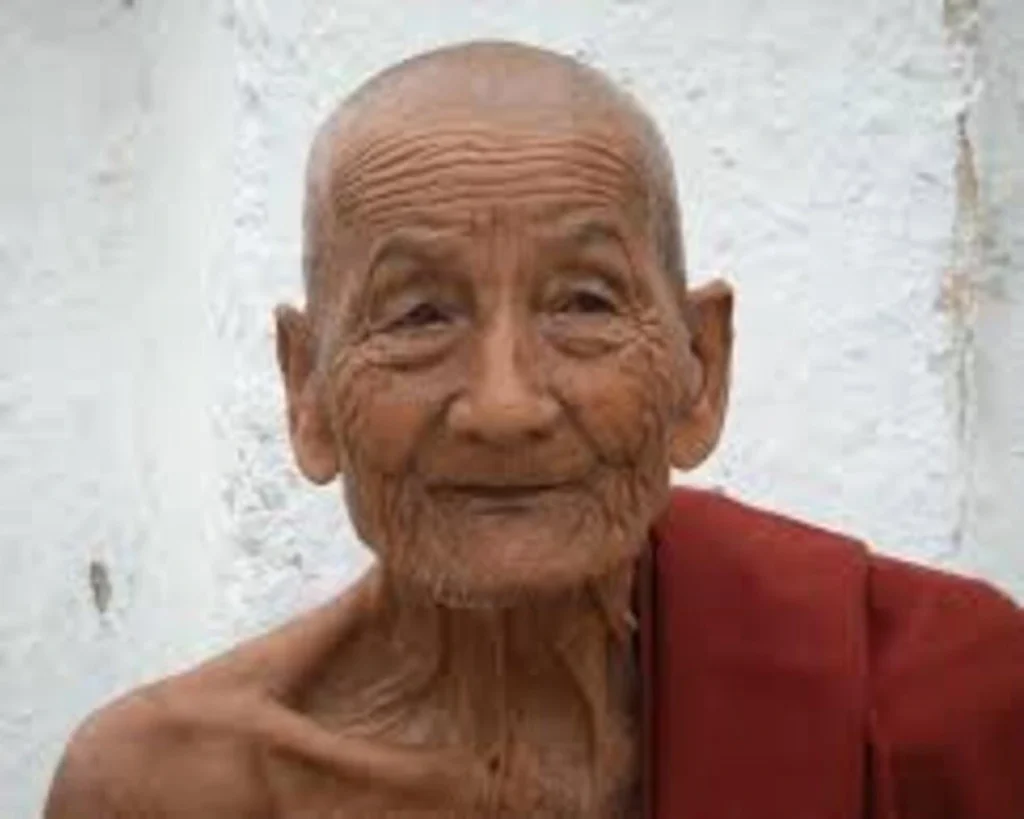
One of the affects of aging on the body is that your skin is constantly renewing itself, but this renewal slows down as you age. Fresh skin cells come from deeper layers and move up to create a protective outer layer. In younger skin, this process is quick, which helps cuts heal faster and keeps skin smooth.
As aging occurs, this cycle slows, and the outer layer may become thinner and less effective at holding moisture. Consequently, skin may appear duller, and blood flow can decrease, reducing oxygen and nutrient delivery. Despite these changes, good sun protection, nutrition, and managing dryness can help maintain skin health.
Collagen production also decreases with age, affecting skin firmness and healing. Collagen is a vital protein that gives skin its strength. When collagen slows down, skin may lose its firmness and become more prone to bruising. Healing injuries may take longer because collagen is necessary for closing wounds. The rate of collagen breakdown can speed up with sun exposure, making sun-protected skin look healthier than skin exposed to the elements. Changes in collagen can also affect tissues across the body, not just the skin. The Swiss-Inspired Beauty Ritual for Radiant-Looking Skin
4) Affects On Hair
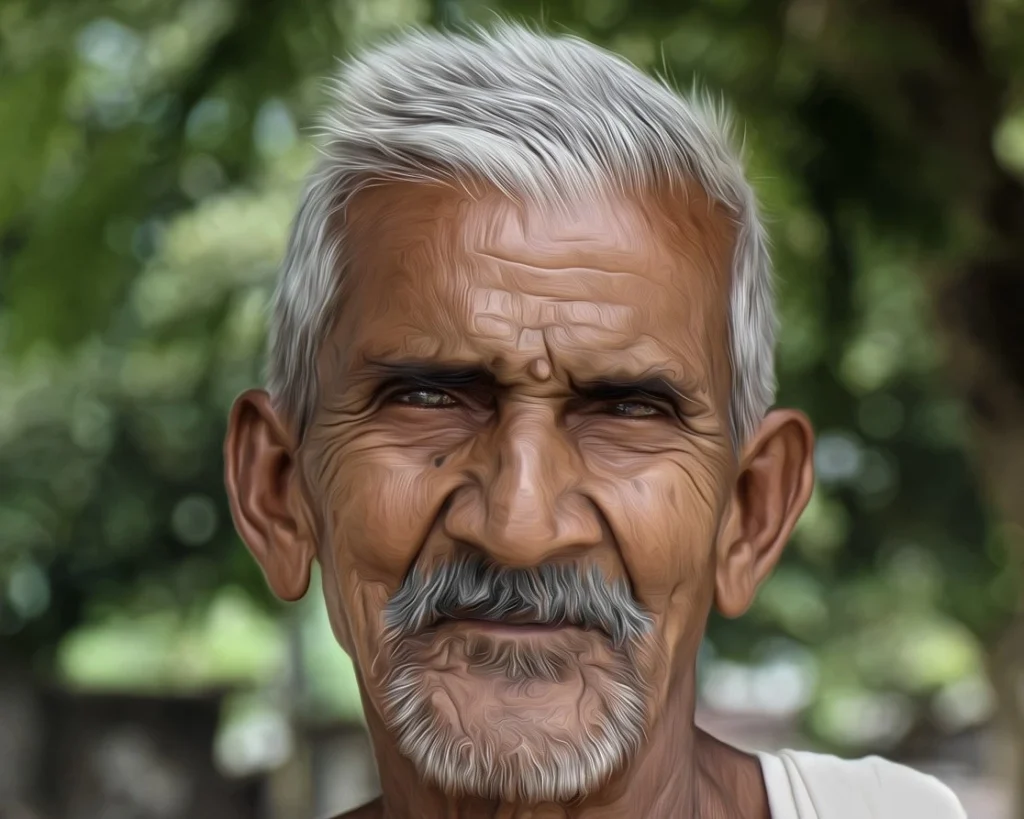
One of the affects of aging on the body is that as people age, hair may turn gray when cells that produce pigment stop functioning effectively. Each hair follicle has its own system for creating and delivering pigment. Over time, the cells that supply this pigment can become less reliable. This results in hair that grows with less pigment, leading to the mixed appearance of gray. Stress has been linked to graying in some research, but genetics have the most significant role in determining when this happens. Graying is not a sign that hair is unhealthy; rather, it indicates changes in the follicles.
Pattern baldness is caused by hormones, genetics, and how follicles respond to certain hormones like DHT. Instead of simply losing hair, follicles begin to shrink, causing hair to become thinner and less noticeable over time. This process is largely influenced by genetics and the sensitivity of follicles to hormones. Treatments often focus on reducing the impact of DHT or improving blood flow to the hair follicles. Interestingly, different hair follicles on the same scalp can respond in varying ways. The Natural Egyptian Hair Balm
3) Affects On Eyesight
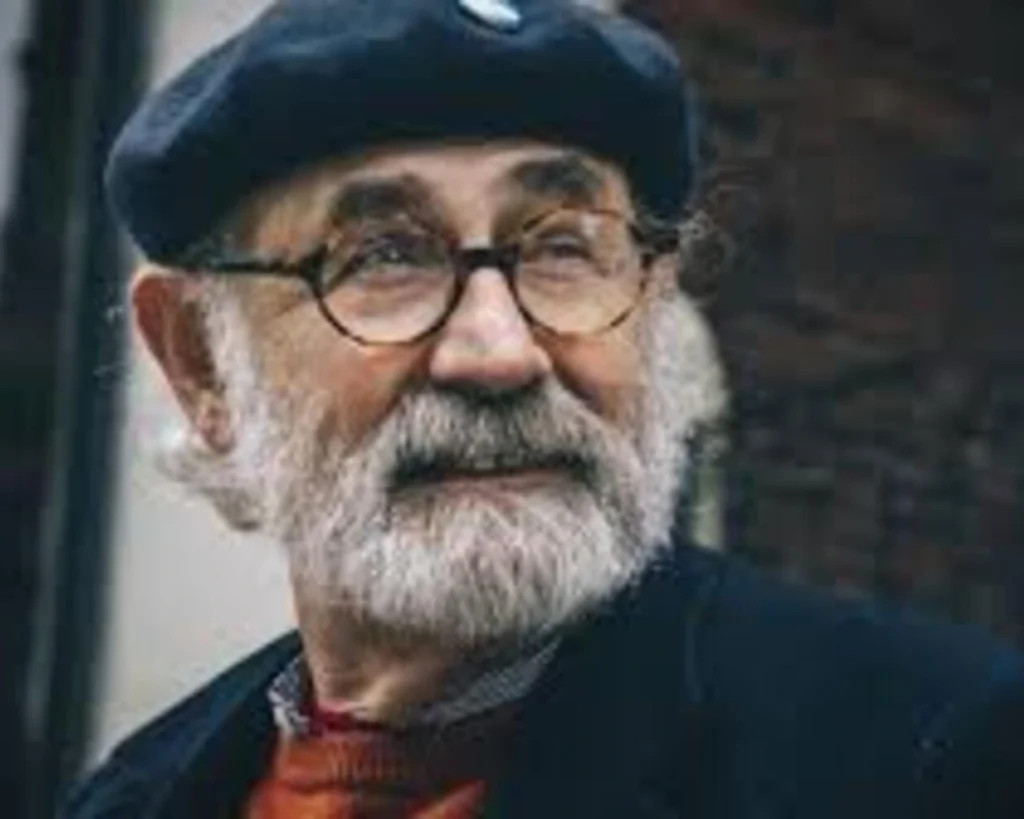
One of the affects of aging on the body is that as you age, the lens in your eye becomes stiffer, making it harder to see things up close. The lens changes shape to focus, but as you get older, its proteins become packed tighter, limiting its flexibility. Many people may find themselves needing reading glasses during midlife, although distance vision might still be good. This change can feel sudden, but it is merely a shift in how the lens accommodates close vision. Better lighting can help reduce the strain on the eyes. Powerful All-New Vision Support Formula
2) Affects On Hearing
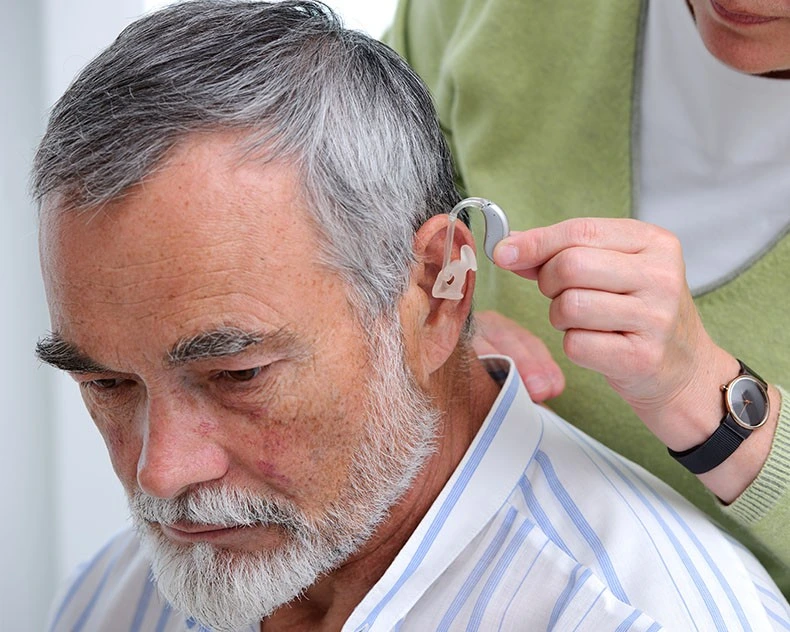
One of the affects of aging on the body is that hearing loss often starts with the high pitches of sounds before speech becomes unclear. Many people first notice this change in a strange way, like birds sounding quieter. Age-related hearing loss begins with the delicate hair cells in the inner ear, which cannot regenerate once damaged. As these cells lose function, understanding speech becomes more challenging, leading to fatigue and social withdrawal. Modern hearing aids are rapidly improving and can help maintain connections and communication, as hearing health is about more than just loudness. Solution for Ear Health
1) Affects On Taste
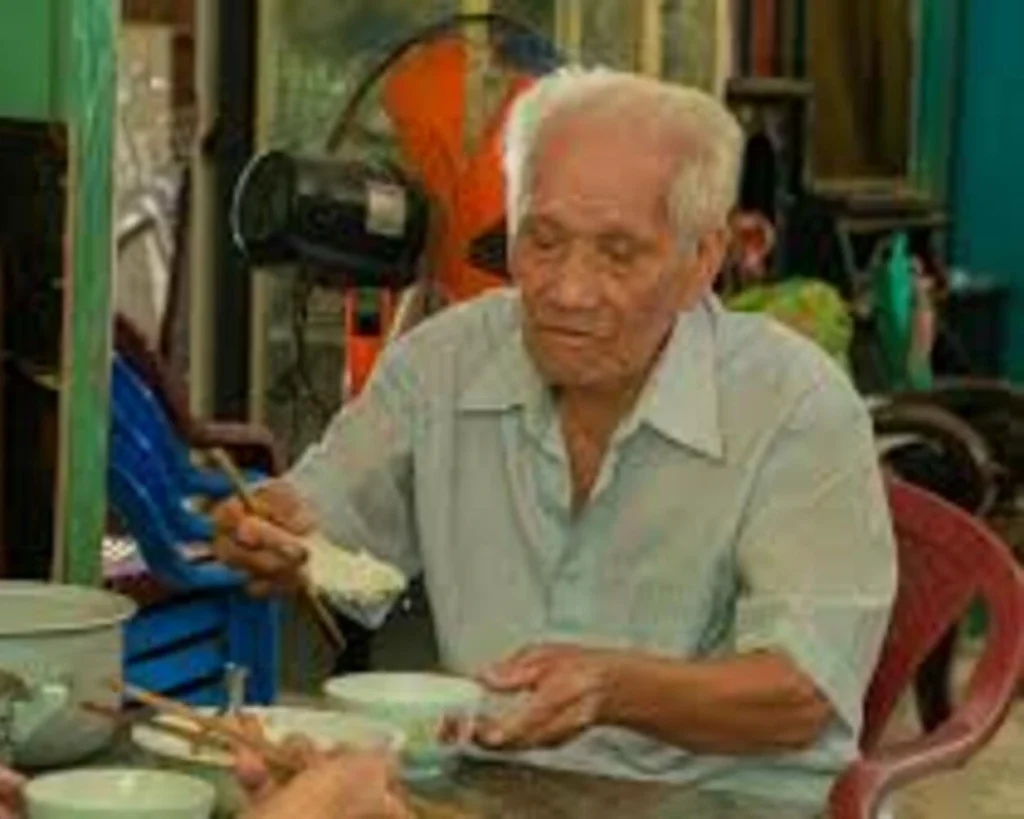
One of the affects of aging on the body is that your sense of taste may also change with age as taste buds can become less sensitive. Taste involves not just the tongue but also smell, texture, and memory. As you get older, changes in taste buds and saliva may alter how flavors are experienced, making once-flavorful foods seem bland. This shift in taste does not reflect character flaws; it is a normal part of aging. Additionally, the brain’s relationship with flavors and pleasure may evolve, so favorite foods could lose their appeal while new cravings arise.
List Of Affects Of Aging On The Body
- Affects On Skin
- Affects On Hair
- Affects On Eyesight
- Affects On Hearing
- Affects On Taste
Top5 Amazing Facts About Gravity